Metaphor for Being Mad: Powerful Examples, Meanings
MetaphorCraftz.com >> Uncategorized>> Metaphor for Being Mad: Powerful Examples, Meanings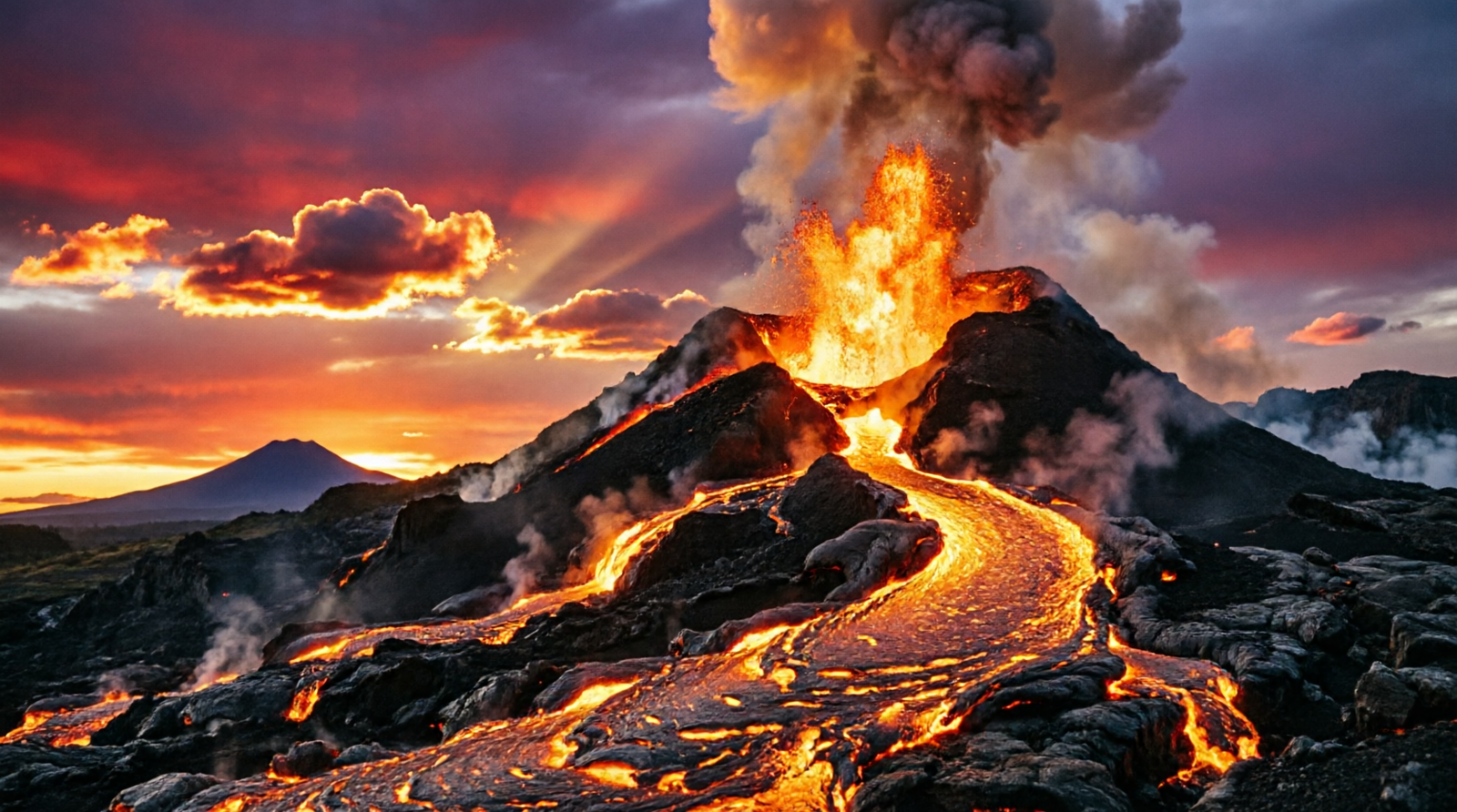
Metaphor for Being Mad: Powerful Examples, Meanings
If you need a metaphor for being mad, you are looking for a creative way to describe anger without simply saying, “I am angry.”
A metaphor compares anger to something people can picture, such as a boiling pot, a raging storm, a volcano, or a fire. These comparisons make feelings easier to understand and can add emotion to writing and speech.
People search for metaphors for being mad because the word angry can feel too plain. A good metaphor can show how strong the anger is, how quickly it appears, or what it feels like inside.
You may see these expressions in books, poems, school assignments, conversations, movies, social media posts, and stories.
In this updated guide, you will find 60 metaphors for being mad, with simple meanings, explanations, sample sentences, usage advice, alternatives, difficulty levels, and tones.
You will also see real-life conversations and a quick-reference table. The goal is simple: help you choose the right metaphor for the exact kind of anger you want to describe.
Definition & Meaning
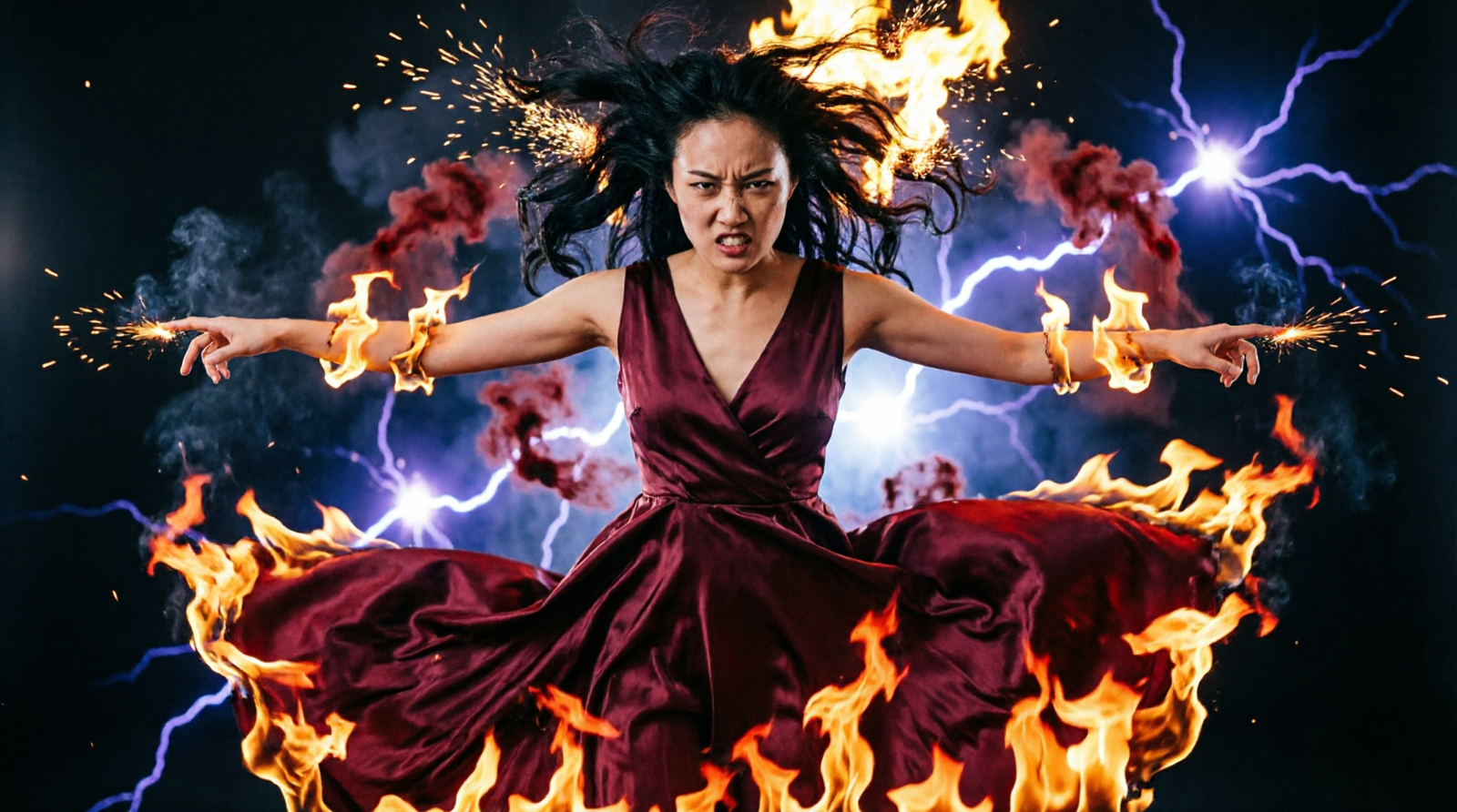
A metaphor for being mad is a comparison that describes anger by saying a person is like, or is experiencing, something else. Instead of saying “She was very angry,” you might say, “She was a volcano ready to erupt.” The image helps readers feel the emotion more clearly.
Simple definition
A metaphor for being mad describes anger through an image, object, force of nature, animal, or action.
For example:
“His anger was a raging fire.”
His anger is not literally fire. The metaphor shows that his anger was strong, hot, and difficult to control.
Quick explanation
Metaphors can show different kinds of anger:
- Mild anger: a simmering pot
- Growing anger: a storm gathering
- Strong anger: a raging fire
- Sudden anger: a lightning strike
- Explosive anger: a volcano erupting
- Hidden anger: fire under the ashes
- Long-lasting anger: a burning coal
Summary table
| Expression | Main idea | Tone |
|---|---|---|
| A boiling pot | Anger building | Neutral |
| A volcano | Anger ready to explode | Strong |
| A raging fire | Powerful anger | Strong |
| A dark storm | Heavy anger | Serious |
| A ticking bomb | Dangerous anger | Strong |
| A pressure cooker | Growing frustration | Informal |
| A firecracker | Sudden anger | Informal |
| A thundercloud | Visible irritation | Neutral |
Why We Use Metaphor for Being Mad

We use metaphors for anger because they turn an invisible feeling into something readers can picture. A metaphor can show the strength, speed, danger, or duration of anger more clearly than the simple word “mad,” making everyday speech and creative writing more vivid.
Practical purpose
Anger is an emotion, so you cannot physically see it. Metaphors give that emotion a shape.
Compare:
“Tom was angry.”
with:
“Tom was a volcano waiting to erupt.”
The second sentence gives the reader a stronger mental picture.
Everyday usage
People use anger metaphors in:
- Conversation: “I was boiling inside.”
- Writing: “Her anger was a wildfire.”
- School: “His temper was a ticking bomb.”
- Social media: “My patience is a thin thread.”
- Professional communication: “The meeting became a pressure cooker.”
Writing
Metaphors work especially well in stories, essays, poems, character descriptions, and personal writing.
Speaking
In casual speech, simple expressions such as “I was boiling” or “He blew his top” sound natural.
School
Students often use metaphors to make descriptive writing more interesting.
Social media
Short, vivid metaphors work well when expressing frustration or disappointment.
Professional communication
Use calm metaphors in professional settings. Avoid dramatic phrases that could sound threatening or disrespectful.
Main Section
These 60 metaphors describe different forms of anger, from quiet frustration to explosive rage. Each example includes its meaning, a practical explanation, a sample sentence, when to use it, when to avoid it, alternative expressions, difficulty, and tone.
1. A Boiling Pot
Meaning: Anger that is building inside.
Real explanation: Like water reaching a boil, emotions are getting stronger.
Sample sentence: “I was a boiling pot after hearing the news.”
When to use it: Growing frustration.
When NOT to use it: Calm or mild feelings.
Alternatives: simmering with anger; boiling inside; reaching a boiling point.
Difficulty: Easy. Tone: Neutral.
2. A Volcano Ready to Erupt
Meaning: Extreme anger close to exploding.
Real explanation: The person may look calm but is struggling to control strong emotions.
Sample sentence: “She was a volcano ready to erupt.”
When to use it: Very strong anger.
When NOT to use it: Small annoyances.
Alternatives: about to explode; ready to snap; powder keg.
Difficulty: Easy. Tone: Strong.
3. A Raging Fire
Meaning: Powerful, intense anger.
Real explanation: Fire spreads and becomes difficult to control, just like severe anger.
Sample sentence: “His anger was a raging fire.”
When to use it: Strong emotional scenes.
When NOT to use it: Formal business writing.
Alternatives: blazing anger; burning rage; fierce fire.
Difficulty: Easy. Tone: Strong.
4. A Dark Storm
Meaning: Heavy and threatening anger.
Real explanation: A storm creates a dark, tense feeling.
Sample sentence: “A dark storm filled her heart.”
When to use it: Stories and poetry.
When NOT to use it: Simple everyday complaints.
Alternatives: angry storm; emotional storm; gathering storm.
Difficulty: Easy. Tone: Serious.
5. A Ticking Bomb
Meaning: Someone whose anger may suddenly explode.
Real explanation: The metaphor suggests hidden pressure and possible sudden anger.
Sample sentence: “After hours of insults, he was a ticking bomb.”
When to use it: Building tension.
When NOT to use it: Professional descriptions of real people.
Alternatives: powder keg; ready to snap; walking on the edge.
Difficulty: Easy. Tone: Strong.
6. A Pressure Cooker
Meaning: Anger caused by growing pressure.
Real explanation: Stress keeps building until the person feels unable to hold it anymore.
Sample sentence: “The unfair rules turned the office into a pressure cooker.”
When to use it: Stress and frustration.
When NOT to use it: Very peaceful situations.
Alternatives: under pressure; ready to burst; boiling over.
Difficulty: Easy. Tone: Informal.
7. A Firecracker
Meaning: Anger that appears quickly.
Real explanation: A firecracker suddenly makes a loud burst, like a person who suddenly gets mad.
Sample sentence: “Dad can be a firecracker when plans change.”
When to use it: Sudden temper.
When NOT to use it: Slow-building anger.
Alternatives: short fuse; quick temper; explosive.
Difficulty: Easy. Tone: Informal.
8. A Thundercloud
Meaning: Visible anger or irritation.
Real explanation: A dark cloud can suggest that a storm is coming.
Sample sentence: “A thundercloud hung over his face.”
When to use it: Describing facial expressions.
When NOT to use it: Technical writing.
Alternatives: dark cloud; stormy face; cloud of anger.
Difficulty: Easy. Tone: Neutral.
9. Fire Under the Ashes
Meaning: Hidden anger that still exists.
Real explanation: Ashes may hide hot coals underneath, just as quiet people may hide anger.
Sample sentence: “There was still fire under the ashes.”
When to use it: Old resentment.
When NOT to use it: Fresh excitement.
Alternatives: hidden anger; smoldering anger; buried rage.
Difficulty: Medium. Tone: Serious.
10. A Wildfire
Meaning: Anger that spreads quickly.
Real explanation: One angry moment can lead to more anger and conflict.
Sample sentence: “His frustration became a wildfire.”
When to use it: Escalating conflict.
When NOT to use it: Tiny annoyances.
Alternatives: spreading rage; raging flames; growing fury.
Difficulty: Easy. Tone: Strong.
11. A Boiling Kettle
Meaning: Anger close to spilling over.
Real explanation: A kettle becomes louder and more active as pressure and heat increase.
Sample sentence: “She felt like a boiling kettle.”
When to use it: Frustration.
When NOT to use it: Formal reports.
Alternatives: boiling over; heated up; reaching the limit.
Difficulty: Easy. Tone: Informal.
12. A Burning Coal
Meaning: Anger that stays alive for a long time.
Real explanation: A coal can remain hot beneath its surface.
Sample sentence: “His resentment was a burning coal.”
When to use it: Long-term anger.
When NOT to use it: Sudden rage.
Alternatives: lingering anger; hot ember; lasting resentment.
Difficulty: Medium. Tone: Serious.
13. A Thunderstorm
Meaning: Loud, powerful anger.
Real explanation: Thunder and lightning create a strong image of emotional force.
Sample sentence: “Her words came like a thunderstorm.”
When to use it: Dramatic writing.
When NOT to use it: Gentle conversations.
Alternatives: raging storm; violent storm; storm of anger.
Difficulty: Easy. Tone: Dramatic.
14. A Sharp Knife
Meaning: Anger expressed through hurtful words.
Real explanation: Sharp words can hurt emotionally.
Sample sentence: “His angry words were sharp knives.”
When to use it: Hurtful speech.
When NOT to use it: Physical danger.
Alternatives: cutting words; painful words; verbal blade.
Difficulty: Medium. Tone: Serious.
15. A Caged Lion
Meaning: Strong anger held inside.
Real explanation: A powerful animal trapped in a small space suggests frustration and pressure.
Sample sentence: “He paced like a caged lion.”
When to use it: Restless anger.
When NOT to use it: Peaceful behavior.
Alternatives: trapped beast; restless lion; restrained fury.
Difficulty: Easy. Tone: Strong.
16. A Red Flame
Meaning: Hot and visible anger.
Real explanation: Red and fire are commonly linked with heat and intense emotion.
Sample sentence: “A red flame of anger burned inside him.”
When to use it: Creative writing.
When NOT to use it: Formal emails.
Alternatives: hot anger; burning rage; fiery temper.
Difficulty: Easy. Tone: Dramatic.
17. A Storm Inside
Meaning: Emotional conflict hidden within a person.
Real explanation: The outside may look calm while strong emotions move inside.
Sample sentence: “He smiled, but there was a storm inside.”
When to use it: Hidden anger.
When NOT to use it: Clearly expressed anger.
Alternatives: inner storm; emotional storm; turmoil inside.
Difficulty: Easy. Tone: Serious.
18. A Broken Dam
Meaning: Anger suddenly released after being held back.
Real explanation: A dam holds water until pressure becomes too great.
Sample sentence: “Her tears and anger burst out like a broken dam.”
When to use it: Emotional release.
When NOT to use it: Mild irritation.
Alternatives: burst open; overflow; emotional flood.
Difficulty: Medium. Tone: Strong.
19. A Flood
Meaning: Overwhelming anger.
Real explanation: A flood covers everything, just as strong emotion can take over someone’s thoughts.
Sample sentence: “A flood of anger swept over him.”
When to use it: Overwhelming emotion.
When NOT to use it: Small frustration.
Alternatives: wave of anger; rush of rage; overflow.
Difficulty: Easy. Tone: Neutral.
20. A Hot Pan
Meaning: Someone who is very irritated.
Real explanation: A hot pan cannot be touched easily, just as an angry person may be hard to approach.
Sample sentence: “He was as touchy as a hot pan.”
When to use it: Light descriptions.
When NOT to use it: Serious emotional situations.
Alternatives: touchy; heated; sensitive.
Difficulty: Easy. Tone: Informal.
21. A Short Fuse
Meaning: A person who becomes angry quickly.
Real explanation: A short fuse burns quickly and causes a fast reaction.
Sample sentence: “My brother has a short fuse.”
When to use it: Everyday conversation.
When NOT to use it: Very formal writing.
Alternatives: quick temper; easily angered; hair-trigger temper.
Difficulty: Easy. Tone: Informal.
22. A Match About to Light
Meaning: Anger that needs only a small trigger.
Real explanation: A tiny spark can start a flame.
Sample sentence: “He was a match waiting for a spark.”
When to use it: Tension.
When NOT to use it: Calm situations.
Alternatives: ready to snap; ready to explode; one spark away.
Difficulty: Easy. Tone: Dramatic.
23. A Red-Hot Furnace
Meaning: Extremely intense anger.
Real explanation: A furnace produces powerful heat, creating an image of emotional intensity.
Sample sentence: “His chest felt like a red-hot furnace.”
When to use it: Strong descriptive writing.
When NOT to use it: Casual messages.
Alternatives: burning heat; blazing rage; fiery anger.
Difficulty: Medium. Tone: Strong.
24. A Roaring Beast
Meaning: Wild, uncontrolled anger.
Real explanation: A roaring animal suggests raw power and loss of calm.
Sample sentence: “Anger turned him into a roaring beast.”
When to use it: Fiction and dramatic writing.
When NOT to use it: Professional communication.
Alternatives: wild fury; raging animal; untamed anger.
Difficulty: Easy. Tone: Dramatic.
25. A Broken String
Meaning: Anger after too much pressure.
Real explanation: A string can snap when stretched too far.
Sample sentence: “After months of stress, her patience was a broken string.”
When to use it: Emotional exhaustion.
When NOT to use it: Sudden anger.
Alternatives: snapped patience; reached the limit; stretched too far.
Difficulty: Medium. Tone: Neutral.
26. A Shaking Volcano
Meaning: Anger showing signs of eruption.
Real explanation: Shaking ground suggests that something powerful is about to happen.
Sample sentence: “He stood there like a shaking volcano.”
When to use it: Extreme tension.
When NOT to use it: Mild annoyance.
Alternatives: ready to erupt; boiling over; about to explode.
Difficulty: Easy. Tone: Strong.
27. A Fire That Won’t Die
Meaning: Anger that refuses to disappear.
Real explanation: The fire represents resentment that remains alive.
Sample sentence: “The insult left a fire that would not die.”
When to use it: Lasting resentment.
When NOT to use it: Short-lived irritation.
Alternatives: lasting resentment; burning grudge; lingering anger.
Difficulty: Easy. Tone: Serious.
28. A Storm at Sea
Meaning: Confused and powerful anger.
Real explanation: Rough water suggests emotional chaos.
Sample sentence: “Her mind was a storm at sea.”
When to use it: Emotional conflict.
When NOT to use it: Simple annoyance.
Alternatives: rough waters; emotional waves; turbulent feelings.
Difficulty: Medium. Tone: Poetic.
29. A Red Balloon About to Burst
Meaning: Anger reaching its limit.
Real explanation: A balloon becomes tighter as more pressure enters it.
Sample sentence: “I felt like a red balloon about to burst.”
When to use it: Frustration.
When NOT to use it: Quiet resentment.
Alternatives: ready to burst; full of frustration; at the breaking point.
Difficulty: Easy. Tone: Informal.
30. A Rattling Cage
Meaning: Anger caused by feeling trapped.
Real explanation: The cage represents limits, while rattling shows the desire to break free.
Sample sentence: “His anger rattled like a cage.”
When to use it: Feeling restricted.
When NOT to use it: Relaxed situations.
Alternatives: trapped anger; restless fury; locked-up frustration.
Difficulty: Medium. Tone: Serious.
31. A Black Cloud
Meaning: Anger or negativity hanging over someone.
Real explanation: A dark cloud suggests a gloomy emotional state.
Sample sentence: “A black cloud followed him all day.”
When to use it: Mood descriptions.
When NOT to use it: Sudden rage.
Alternatives: dark mood; cloud of anger; heavy feeling.
Difficulty: Easy. Tone: Neutral.
32. A Wild Horse
Meaning: Anger that is difficult to control.
Real explanation: A wild horse suggests powerful energy that resists control.
Sample sentence: “Her temper was a wild horse.”
When to use it: Character descriptions.
When NOT to use it: Professional reports.
Alternatives: untamed temper; wild fury; uncontrolled emotion.
Difficulty: Easy. Tone: Dramatic.
33. A Cracked Dam
Meaning: Anger beginning to break through.
Real explanation: Small cracks suggest that pressure is finally escaping.
Sample sentence: “His calm was a cracked dam.”
When to use it: Building emotional tension.
When NOT to use it: Already explosive anger.
Alternatives: breaking point; cracks showing; pressure building.
Difficulty: Medium. Tone: Serious.
34. A Burning Fuse
Meaning: Anger moving quickly toward an outburst.
Real explanation: A burning fuse suggests limited time before a reaction.
Sample sentence: “Her patience was a burning fuse.”
When to use it: Rising tension.
When NOT to use it: Calm frustration.
Alternatives: short fuse; ticking bomb; ready to snap.
Difficulty: Easy. Tone: Strong.
35. A Shattered Glass
Meaning: Anger after something breaks emotionally.
Real explanation: Broken glass represents damage that may be difficult to repair.
Sample sentence: “His trust shattered into anger like glass.”
When to use it: Betrayal.
When NOT to use it: Minor irritation.
Alternatives: broken trust; emotional wreckage; shattered feelings.
Difficulty: Medium. Tone: Serious.
36. A Red Tide
Meaning: Anger spreading through the mind.
Real explanation: A tide moves forward and covers what is in its path.
Sample sentence: “A red tide of anger swept through her.”
When to use it: Creative writing.
When NOT to use it: Casual speech.
Alternatives: wave of rage; flood of anger; rising fury.
Difficulty: Medium. Tone: Poetic.
37. A Hot Furnace Inside
Meaning: Strong anger felt internally.
Real explanation: The furnace represents heat that cannot be seen from outside.
Sample sentence: “He carried a hot furnace inside him.”
When to use it: Inner emotion.
When NOT to use it: Light humor.
Alternatives: burning inside; inner fire; heated emotions.
Difficulty: Easy. Tone: Serious.
38. A Storm Cloud Waiting
Meaning: Anger waiting for a reason to appear.
Real explanation: The cloud suggests that trouble may come soon.
Sample sentence: “His silence was a storm cloud waiting.”
When to use it: Suspense.
When NOT to use it: Openly expressed anger.
Alternatives: trouble brewing; storm approaching; tension building.
Difficulty: Medium. Tone: Dramatic.
39. A Boiling River
Meaning: Anger that keeps moving and growing.
Real explanation: A river suggests constant movement, while boiling suggests intense heat.
Sample sentence: “A boiling river of anger ran through him.”
When to use it: Poetry and fiction.
When NOT to use it: Everyday conversation.
Alternatives: rushing anger; burning current; stream of rage.
Difficulty: Medium. Tone: Poetic.
40. A Burning Mountain
Meaning: Huge anger that is difficult to hide.
Real explanation: A mountain suggests size, while fire suggests intensity.
Sample sentence: “Her anger was a burning mountain.”
When to use it: Dramatic descriptions.
When NOT to use it: Mild frustration.
Alternatives: giant flame; towering rage; massive anger.
Difficulty: Medium. Tone: Dramatic.
41. A Lion in a Cage
Meaning: Powerful anger held back.
Real explanation: The lion has strength but cannot freely act.
Sample sentence: “He felt like a lion in a cage.”
When to use it: Restraint.
When NOT to use it: Relaxed moods.
Alternatives: trapped fury; restrained anger; caged rage.
Difficulty: Easy. Tone: Strong.
42. A Spark in Dry Grass
Meaning: A small event that can create major anger.
Real explanation: Dry grass catches fire easily.
Sample sentence: “That comment was a spark in dry grass.”
When to use it: Sensitive situations.
When NOT to use it: Stable, peaceful situations.
Alternatives: trigger; spark; final straw.
Difficulty: Medium. Tone: Neutral.
43. A Broken Clock
Meaning: Anger caused by repeated frustration.
Real explanation: Something that keeps failing can test a person’s patience.
Sample sentence: “The broken clock became a symbol of my frustration.”
When to use it: Repeated problems.
When NOT to use it: Sudden rage.
Alternatives: endless frustration; constant annoyance; repeated failure.
Difficulty: Easy. Tone: Neutral.
44. A Heated Engine
Meaning: Anger caused by pressure and overwork.
Real explanation: An engine can overheat when it works too hard.
Sample sentence: “After ten stressful hours, I was a heated engine.”
When to use it: Stress.
When NOT to use it: Quiet anger.
Alternatives: overheated; running hot; under strain.
Difficulty: Medium. Tone: Informal.
45. A Wildfire in the Mind
Meaning: Angry thoughts spreading rapidly.
Real explanation: One angry thought leads to another until the mind feels overwhelmed.
Sample sentence: “A wildfire of angry thoughts filled his mind.”
When to use it: Internal anger.
When NOT to use it: Simple irritation.
Alternatives: racing anger; flood of thoughts; mental fire.
Difficulty: Easy. Tone: Serious.
46. A Heavy Hammer
Meaning: Anger that hits emotionally.
Real explanation: A hammer represents force and impact.
Sample sentence: “The betrayal landed like a heavy hammer.”
When to use it: Emotional shock.
When NOT to use it: Gentle disappointment.
Alternatives: hard blow; crushing blow; emotional punch.
Difficulty: Easy. Tone: Strong.
47. A Crashing Wave
Meaning: Sudden overwhelming anger.
Real explanation: A wave can arrive quickly and knock someone off balance.
Sample sentence: “A crashing wave of anger hit her.”
When to use it: Sudden emotion.
When NOT to use it: Long-term resentment.
Alternatives: rush of anger; wave of rage; sudden fury.
Difficulty: Easy. Tone: Neutral.
48. A Stormy Sky
Meaning: An angry or unhappy mood.
Real explanation: Dark skies can mirror a person’s troubled mood.
Sample sentence: “His face looked like a stormy sky.”
When to use it: Character descriptions.
When NOT to use it: Technical writing.
Alternatives: gloomy mood; dark expression; angry look.
Difficulty: Easy. Tone: Neutral.
49. A Burning Bridge
Meaning: Anger that damages a relationship.
Real explanation: Burning a bridge represents destroying a chance to return or repair things.
Sample sentence: “His angry words burned the bridge between them.”
When to use it: Broken relationships.
When NOT to use it: Temporary frustration.
Alternatives: damaged relationship; broken connection; burned trust.
Difficulty: Easy. Tone: Serious.
50. A Locked Furnace
Meaning: Anger trapped inside.
Real explanation: The furnace holds heat, just as a person may hold in anger.
Sample sentence: “She kept her feelings locked inside like a furnace.”
When to use it: Hidden emotion.
When NOT to use it: Open anger.
Alternatives: bottled-up anger; buried rage; suppressed frustration.
Difficulty: Medium. Tone: Serious.
51. A Roaring Ocean
Meaning: Huge emotional anger.
Real explanation: A roaring ocean creates an image of powerful, uncontrolled movement.
Sample sentence: “His anger became a roaring ocean.”
When to use it: Poetry and fiction.
When NOT to use it: Formal writing.
Alternatives: raging sea; emotional ocean; stormy waters.
Difficulty: Medium. Tone: Poetic.
52. A Cracking Thunderbolt
Meaning: Sudden and powerful anger.
Real explanation: Lightning and thunder arrive with great force and speed.
Sample sentence: “Her reply struck like a thunderbolt.”
When to use it: Sudden reactions.
When NOT to use it: Slow resentment.
Alternatives: sudden shock; lightning strike; explosive reaction.
Difficulty: Medium. Tone: Dramatic.
53. A Hot Spring
Meaning: Anger hidden beneath a calm surface.
Real explanation: A hot spring may look peaceful while intense heat exists below.
Sample sentence: “His calm voice hid a hot spring of anger.”
When to use it: Hidden feelings.
When NOT to use it: Obvious rage.
Alternatives: hidden heat; quiet anger; simmering emotion.
Difficulty: Medium. Tone: Poetic.
54. A Storm Behind the Eyes
Meaning: Anger shown through someone’s eyes.
Real explanation: The eyes can reveal emotion even when words do not.
Sample sentence: “I saw a storm behind her eyes.”
When to use it: Character descriptions.
When NOT to use it: Technical communication.
Alternatives: anger in his eyes; fire in her eyes; fierce stare.
Difficulty: Easy. Tone: Dramatic.
55. A Matchbox Full of Sparks
Meaning: Many small frustrations waiting to cause anger.
Real explanation: Each spark represents another annoyance.
Sample sentence: “His day was a matchbox full of sparks.”
When to use it: Several problems piling up.
When NOT to use it: One simple problem.
Alternatives: pile of frustrations; many triggers; growing tension.
Difficulty: Medium. Tone: Informal.
56. A Red Warning Light
Meaning: A clear sign that someone is becoming angry.
Real explanation: A warning light tells you something needs attention.
Sample sentence: “Her tight voice was a red warning light.”
When to use it: Early signs of anger.
When NOT to use it: Extreme rage.
Alternatives: warning sign; danger signal; sign of frustration.
Difficulty: Easy. Tone: Neutral.
57. A Storm Breaking Loose
Meaning: Anger finally being expressed.
Real explanation: A storm that breaks loose represents emotion no longer being controlled.
Sample sentence: “After years of silence, the storm broke loose.”
When to use it: Emotional release.
When NOT to use it: Small irritation.
Alternatives: emotional explosion; breaking point; burst of anger.
Difficulty: Easy. Tone: Dramatic.
58. A Fire in the Chest
Meaning: Strong anger felt physically.
Real explanation: The fire represents the heat and pressure a person may feel during anger.
Sample sentence: “A fire burned in his chest.”
When to use it: Personal or emotional writing.
When NOT to use it: Formal reports.
Alternatives: burning feeling; inner fire; hot anger.
Difficulty: Easy. Tone: Serious.
59. A Crumbling Wall
Meaning: Anger breaking down someone’s self-control.
Real explanation: A wall can represent emotional control, and cracks suggest that control is weakening.
Sample sentence: “His calm was a crumbling wall.”
When to use it: Growing emotional pressure.
When NOT to use it: Immediate rage.
Alternatives: losing control; weakening restraint; breaking point.
Difficulty: Medium. Tone: Serious.
60. A Firestorm
Meaning: Extremely powerful anger and conflict.
Real explanation: A firestorm combines the force of fire and a storm, creating a strong image of uncontrolled emotion.
Sample sentence: “The argument became a firestorm of anger.”
When to use it: Major conflict or dramatic writing.
When NOT to use it: Minor disagreements.
Alternatives: raging conflict; emotional storm; explosive anger.
Difficulty: Easy. Tone: Strong.
Real-Life Conversations
Conversation 1: Friends
Alex: You seem really quiet. What’s wrong?
Sam: I’m trying not to lose my temper.
Alex: That bad?
Sam: Yeah. I’m a boiling pot right now.
Alex: Then take a break before you boil over.
Why it works: “Boiling pot” sounds natural in an informal conversation about growing frustration.
Conversation 2: Family
Mom: Why are you pacing around?
Daniel: Dad keeps changing the plan.
Mom: Just tell him you’re upset.
Daniel: I’m trying. But I feel like a pressure cooker.
Mom: Then calm down first. We can talk about it together.
Why it works: The metaphor shows that stress has been building.
Conversation 3: Students
Teacher: You look upset, Maya.
Maya: I studied for the test, but my computer deleted my work.
Teacher: I understand why you’re frustrated.
Maya: I felt like a volcano ready to erupt.
Teacher: Take five minutes. Then we’ll find a solution.
Why it works: The metaphor shows strong anger without describing harmful behavior.
Conversation 4: Office
Manager: The meeting became tense.
Jordan: Everyone had been under pressure all week.
Manager: I noticed.
Jordan: It felt like a storm inside the room.
Manager: Next time, let’s give everyone a chance to speak.
Why it works: The metaphor fits a serious workplace situation without sounding too dramatic.
Conversation 5: Dating
Sara: You haven’t said much since dinner.
Mike: I’m disappointed, not ready to argue.
Sara: What are you feeling?
Mike: Honestly, there’s a fire under the ashes.
Sara: So you’re still upset about what happened?
Mike: Yeah. I think we should talk about it calmly.
Why it works: The metaphor shows quiet, unresolved anger.
Everyday Usage
People use metaphors for anger differently depending on the setting. The best expression is not always the strongest one. Choose an image that matches the emotion and the audience.
Conversation
For everyday speech, short expressions sound most natural:
- “I was boiling.”
- “He has a short fuse.”
- “She was ready to explode.”
- “I’m at my breaking point.”
These are easy to understand and do not require much explanation.
Writing
Creative writing allows stronger images:
“Her anger was a wildfire spreading through her thoughts.”
This works because the metaphor creates a clear picture rather than simply naming the emotion.
Books
Authors often use metaphors to reveal a character’s feelings without directly stating them.
Instead of:
“John was angry.”
A story might say:
“A storm gathered behind John’s eyes.”
The reader understands the emotion through the image.
Movies
Movies often combine visual action with metaphorical language. A character may be described as a “ticking bomb” or “volcano” before a major emotional scene.
Poetry
gives you more freedom to use unusual comparisons:
“Anger was a red tide
rising inside my chest.”
does not need to sound like normal conversation. The image matters more than everyday phrasing.
Emails
Be careful with metaphors in professional emails. “I am frustrated by this delay” is usually safer than “I am a volcano ready to explode.”
A simple metaphor such as “This process has reached a boiling point” can work when the situation is serious but still professional.
Text messages
Short expressions work best:
- “I’m boiling right now.”
- “That really lit a fire in me.”
- “I’m at my breaking point.”
- “My patience is running out.”
Short, emotional metaphors can work well in captions:
“A storm behind a calm face.”
Longer personal posts can explain the metaphor:
“I felt like a pressure cooker after dealing with the same problem all week.”
X
Short metaphors are usually stronger:
“My patience is a burning fuse today.”
Keep the language controlled and professional:
“The repeated delays pushed the project to a boiling point.”
Avoid metaphors that suggest violence, threats, or loss of control.
School assignments
For descriptive writing, choose a metaphor that matches your character.
Mild anger:
“Her frustration simmered like a pot on low heat.”
Strong anger:
“His anger was a volcano waiting to erupt.”
Hidden anger:
“A fire burned beneath his calm smile.”
How to choose the right metaphor
Ask yourself three questions:
- How strong is the anger?
- Is the anger visible or hidden?
- Is the writing casual, serious, or creative?
Metaphor vs. simile
A metaphor says one thing is another:
“His anger was a volcano.”
A simile usually uses like or as:
“His anger was like a volcano.”
Both can create vivid images, but they are not exactly the same literary device.
Best choices for different situations
school essay:
“His anger was a volcano ready to erupt.”
poem:
“A storm raged behind her eyes.”
casual speech:
“I was boiling.”
text message:
“I’m at my breaking point.”
professional writing:
“The discussion reached a boiling point.”
character description:
“He was a lion in a cage.”
hidden resentment:
“Fire still burned beneath the ashes.”
sudden anger:
“The comment was a spark in dry grass.”
Final tip:
The strongest metaphor is not always the most dramatic one. If the character is mildly annoyed, calling them a “firestorm” may feel excessive. If the character is furious a little annoyed” may feel too weak.
Match the metaphor to the emotion.
A good metaphor should help the reader see the anger, feel its pressure, and understand its intensity without making the sentence confusing.
Discover more post:
| https://metaphorcraftz.com/metaphor-for-sweat/ |
| https://metaphorcraftz.com/metaphor-for-a-castle/ |
| https://metaphorcraftz.com/metaphor-for-8-ball/ |

Liora is a passionate writer, language enthusiast, and experienced content creator with 5 years of experience researching and writing about metaphors, figurative language, literary devices, symbolism, and the deeper meanings behind everyday words and expressions.
Related Post
Metaphor for 8 Ball: Creative Examples, Meanings and Sentences
If you are searching for a metaphor for 8 ball, you may be looking for…
One thought on “Metaphor for Being Mad: Powerful Examples, Meanings”