Metaphor for Red Cheeks: Creative Examples, Meanings
MetaphorCraftz.com >> Uncategorized>> Metaphor for Red Cheeks: Creative Examples, Meanings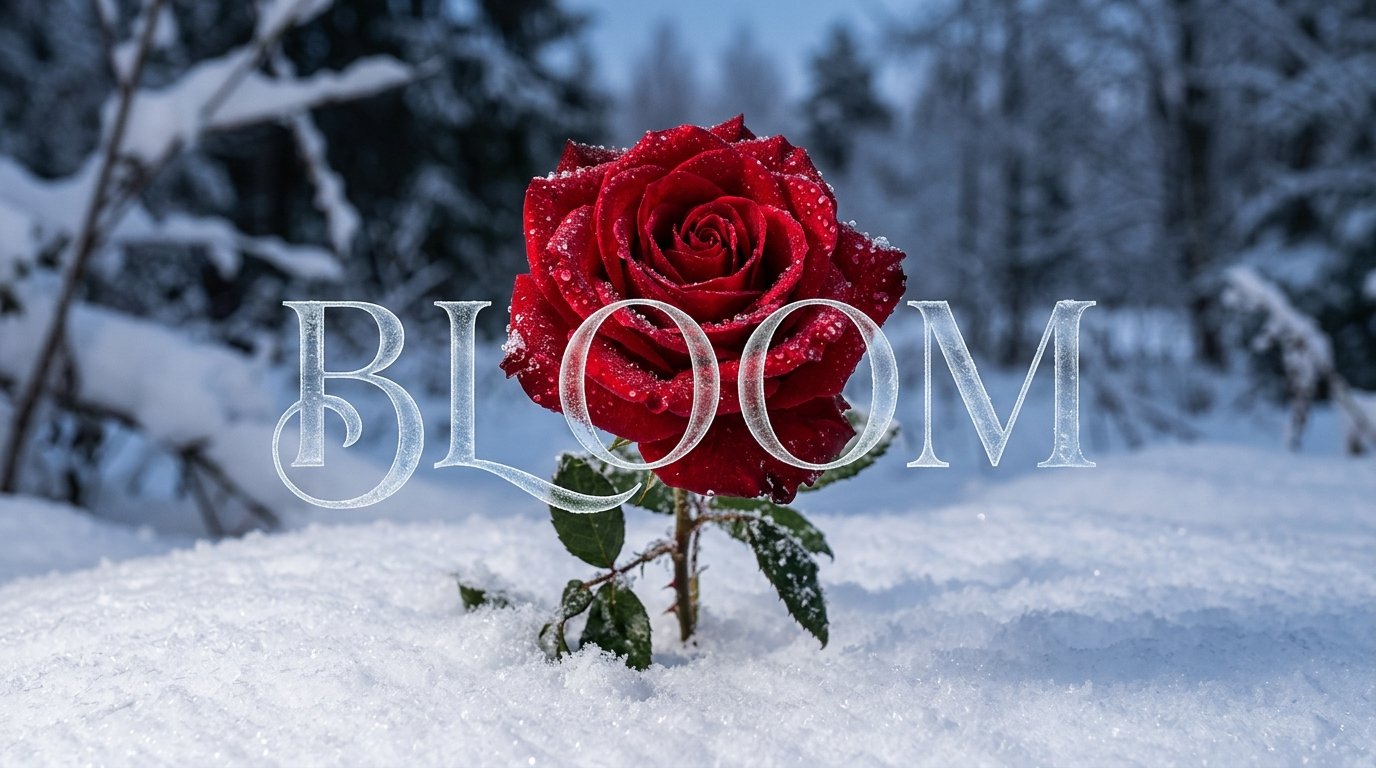
Metaphor for Red Cheeks: Creative Examples, Meanings
Red cheeks can show embarrassment, shyness, excitement, warmth, anger, or strong emotion.
A metaphor for red cheeks compares that visible redness to something vivid, such as fire, roses, cherries, or a glowing sunset.
These comparisons help readers picture the face instead of simply reading “her cheeks were red.”
Primary search intent: Readers want creative metaphors they can use in essays, stories, poems, conversations, captions, and descriptions.
The examples below explain what each metaphor means, how it sounds, and when it fits. This guide is updated for 2026 and uses simple American English.
Definition & Meaning
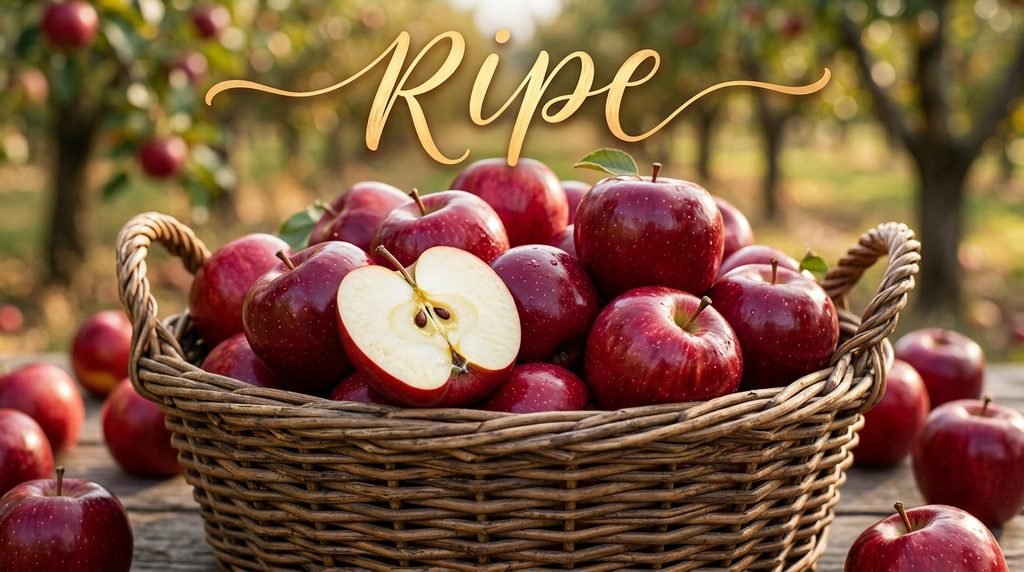
A metaphor for red cheeks is a creative comparison that describes flushed or rosy cheeks without using a plain statement such as “her cheeks were red.” It may compare the cheeks to roses, flames, cherries, sunsets, or other colorful things to show emotion, warmth, or beauty.
Simple definition
A metaphor for red cheeks gives red or rosy cheeks a more vivid image.
For example:
“Her cheeks were two red roses.”
The cheeks are not really roses. The metaphor helps the reader imagine cheeks that look bright, soft, and rosy.
Quick explanation
Red cheeks can have many meanings. The best metaphor depends on the reason for the redness.
- Embarrassment: “Her cheeks burned like fire.”
- Shyness: “Her cheeks were shy roses.”
- Excitement: “Her cheeks glowed like sunrise.”
- Cold weather: “His cheeks were red apples.”
- Anger: “Her cheeks flared like flames.”
- Beauty: “Her cheeks were rose petals.”
| Situation | Useful image | Feeling |
|---|---|---|
| Embarrassment | Fire | Strong and warm |
| Shyness | Roses | Soft and gentle |
| Excitement | Sunrise | Bright and happy |
| Cold | Apples | Fresh and natural |
| Anger | Flames | Strong and intense |
| Beauty | Rose petals | Soft and attractive |
| Exercise | Glowing embers | Warm and flushed |
| Love | Cherries | Romantic and playful |
Why We Use a Metaphor for Red Cheeks
We use metaphors for red cheeks to make descriptions more vivid, emotional, and memorable. A simple phrase such as “her cheeks were red” tells the color, but a metaphor can also suggest why they were red and how the person felt.
Practical purpose
A metaphor gives the reader a picture. Instead of only naming a color, it adds mood and emotion.
Everyday usage
People may use these expressions in casual conversation, stories, captions, jokes, or personal writing.
Writing
Writers use cheek metaphors to make characters feel more real.
Speaking
A natural metaphor can make a story more interesting without sounding overly formal.
School
Students can use suitable metaphors in creative writing, descriptive paragraphs, and poetry.
Social media
Short metaphors work well in captions when someone wants a colorful or playful description.
Professional communication
Metaphors about red cheeks are usually better for creative or informal writing than business emails or formal reports.
Main Section
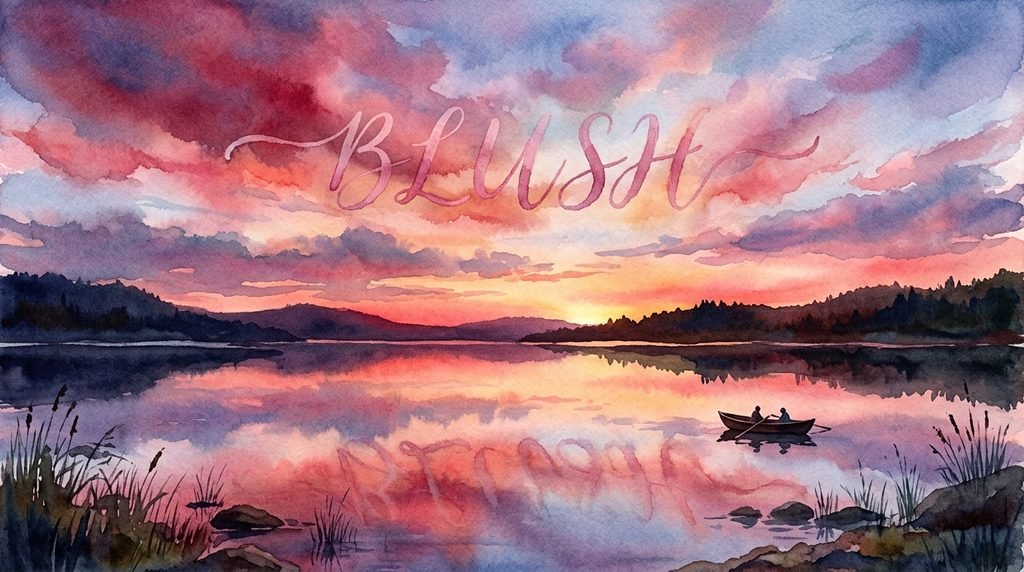
The following examples give different ways to describe red cheeks. Each one includes its meaning, a natural sentence, when to use it, when to avoid it, alternatives, difficulty, and tone. The key difference is emotional meaning: fire suggests heat or embarrassment, roses suggest beauty or shyness, and fruit often creates a playful image.
1. Cheeks Like Roses
Meaning: Red, soft, and attractive cheeks.
Real explanation: Roses are a common image for rosy cheeks because both have a rich red or pink color.
Sample sentence: “Her cheeks were like roses after the compliment.”
When to use it: Beauty, romance, or gentle descriptions.
When NOT to use it: Technical or formal writing.
Alternatives: Rose petals; rosy cheeks; blooming cheeks.
Difficulty: Easy
Tone: Neutral / Literary
2. Cheeks Like Red Roses
Meaning: Very noticeably red cheeks.
Real explanation: Adding “red” makes the color stronger and clearer.
Sample sentence: “His cheeks were like red roses in the winter air.”
When to use it: Descriptive stories and poetry.
When NOT to use it: Formal business writing.
Alternatives: Crimson cheeks; rosy face; blooming cheeks.
Difficulty: Easy
Tone: Literary
3. Cheeks Were Two Roses
Meaning: Both cheeks looked bright and rosy.
Real explanation: The metaphor treats the cheeks as if they were two flowers.
Sample sentence: “Her cheeks were two roses beneath the soft morning light.”
When to use it: Fiction and poetry.
When NOT to use it: Plain factual writing.
Alternatives: Twin roses; rose-colored cheeks; rosy cheeks.
Difficulty: Easy
Tone: Literary
4. Cheeks Like Flaming Roses
Meaning: Red cheeks with a sense of heat.
Real explanation: Roses suggest beauty while “flaming” adds warmth and intensity.
Sample sentence: “Her cheeks looked like flaming roses when she heard his words.”
When to use it: Strong emotion or romance.
When NOT to use it: Mild, everyday descriptions.
Alternatives: Burning roses; glowing roses; fiery cheeks.
Difficulty: Medium
Tone: Literary
5. Cheeks Were Red Apples
Meaning: Bright, healthy-looking red cheeks.
Real explanation: Red apples create a simple image of round, fresh color.
Sample sentence: “The cold wind left his cheeks like red apples.”
When to use it: Children, winter scenes, and playful writing.
When NOT to use it: Serious emotional scenes.
Alternatives: Apple-red cheeks; rosy apples; fresh cheeks.
Difficulty: Easy
Tone: Playful
6. Cheeks Like Cherries
Meaning: Small, bright red cheeks.
Real explanation: Cherries are strongly associated with a rich red color.
Sample sentence: “Her cheeks were like cherries after the long walk.”
When to use it: Cute, playful, or romantic descriptions.
When NOT to use it: Formal documents.
Alternatives: Cherry-red cheeks; ruby cheeks; bright cheeks.
Difficulty: Easy
Tone: Informal / Playful
7. Cheeks Like Two Cherries
Meaning: Both cheeks were noticeably red.
Real explanation: The two cherries match the idea of two rounded cheeks.
Sample sentence: “Her cheeks looked like two cherries in the winter cold.”
When to use it: Children’s stories and light fiction.
When NOT to use it: Serious professional writing.
Alternatives: Twin cherries; cherry cheeks; red berries.
Difficulty: Easy
Tone: Playful
8. Cheeks Were Tiny Flames
Meaning: The cheeks looked intensely red and hot.
Real explanation: Flames suggest both strong color and heat.
Sample sentence: “Her cheeks were tiny flames after everyone laughed.”
When to use it: Embarrassment or intense emotion.
When NOT to use it: When the redness is very mild.
Alternatives: Little fires; glowing flames; sparks.
Difficulty: Easy
Tone: Literary
9. Cheeks Like Fire
Meaning: Extremely red or hot-looking cheeks.
Real explanation: Fire creates a strong image of red, orange, heat, and intensity.
Sample sentence: “His cheeks were like fire after the race.”
When to use it: Exercise, embarrassment, anger, or heat.
When NOT to use it: Gentle romantic scenes where a softer image fits better.
Alternatives: Burning cheeks; fiery face; hot cheeks.
Difficulty: Easy
Tone: Neutral / Strong
10. Cheeks Were Burning Coals
Meaning: Very red and visibly hot cheeks.
Real explanation: Burning coals suggest deep red heat.
Sample sentence: “Her cheeks were burning coals after the embarrassing mistake.”
When to use it: Strong embarrassment or heat.
When NOT to use it: Happy, calm scenes.
Alternatives: Glowing coals; hot embers; red embers.
Difficulty: Medium
Tone: Literary
11. Cheeks Like Glowing Embers
Meaning: Red cheeks with a warm glow.
Real explanation: Embers have a deep red glow that works well for flushed skin.
Sample sentence: “His cheeks glowed like embers after the hike.”
When to use it: Exercise, warmth, cold, or emotion.
When NOT to use it: Very casual speech if you want simple wording.
Alternatives: Glowing coals; warm sparks; red embers.
Difficulty: Medium
Tone: Literary
12. Cheeks Were Little Suns
Meaning: Bright, warm-looking cheeks.
Real explanation: The sun suggests brightness and warmth rather than simple redness.
Sample sentence: “Her cheeks were little suns in the cold morning.”
When to use it: Happy or warm scenes.
When NOT to use it: Dark or angry scenes.
Alternatives: Warm lights; tiny suns; golden glows.
Difficulty: Easy
Tone: Poetic
13. Cheeks Like Sunset
Meaning: Cheeks had a warm red or pink glow.
Real explanation: A sunset often contains warm pink, orange, and red colors.
Sample sentence: “Her cheeks were like sunset after the dance.”
When to use it: Romantic or poetic writing.
When NOT to use it: Technical writing.
Alternatives: Evening glow; sunset blush; dusk-colored cheeks.
Difficulty: Easy
Tone: Poetic
14. Cheeks Were Painted Roses
Meaning: The cheeks looked naturally or strongly rosy.
Real explanation: The image suggests that someone painted the red color onto the cheeks.
Sample sentence: “Her cheeks were painted roses beneath the winter sky.”
When to use it: Fiction and poetry.
When NOT to use it: Simple factual descriptions.
Alternatives: Painted petals; rosy brushstrokes; flower-colored cheeks.
Difficulty: Medium
Tone: Literary
15. Cheeks Were Red Petals
Meaning: Soft, delicate, rosy cheeks.
Real explanation: Flower petals suggest softness and color.
Sample sentence: “Her cheeks were red petals against the pale winter light.”
When to use it: Romantic or artistic writing.
When NOT to use it: Casual business communication.
Alternatives: Rose petals; flower petals; soft roses.
Difficulty: Medium
Tone: Poetic
16. Cheeks Like Poppies
Meaning: Bright red cheeks.
Real explanation: Red poppies provide a clear, strong image of vivid color.
Sample sentence: “His cheeks were like poppies after the long run.”
When to use it: Poetry and nature-based descriptions.
When NOT to use it: Very simple beginner writing if the reader may not know the image.
Alternatives: Scarlet flowers; red blossoms; bright petals.
Difficulty: Medium
Tone: Literary
17. Cheeks Were Scarlet
Meaning: The cheeks were intensely red.
Real explanation: Scarlet is a vivid red, so this creates a stronger image than ordinary “red.”
Sample sentence: “Her cheeks were scarlet when she realized everyone was watching.”
When to use it: Embarrassment or strong emotion.
When NOT to use it: When you want very simple everyday English.
Alternatives: Crimson; bright red; flushed.
Difficulty: Medium
Tone: Neutral / Literary
18. Cheeks Like Crimson Clouds
Meaning: Large, vivid areas of red color.
Real explanation: Crimson gives the red color, while clouds create a softer visual image.
Sample sentence: “Crimson clouds seemed to rest on her cheeks.”
When to use it: Poetry and fantasy.
When NOT to use it: Normal conversation.
Alternatives: Red clouds; crimson blush; rosy clouds.
Difficulty: Medium
Tone: Poetic
19. Cheeks Were Blushing Roses
Meaning: Red cheeks caused by shyness or embarrassment.
Real explanation: “Blushing” adds the emotional reason behind the color.
Sample sentence: “Her cheeks were blushing roses when he smiled.”
When to use it: Romantic scenes.
When NOT to use it: Anger or physical heat.
Alternatives: Shy roses; rosy blush; blooming cheeks.
Difficulty: Easy
Tone: Romantic
20. Cheeks Like a Rose Garden
Meaning: Both cheeks looked richly rosy.
Real explanation: A whole rose garden creates a fuller, softer image than one rose.
Sample sentence: “Her face became a rose garden when she heard the praise.”
When to use it: Creative writing.
When NOT to use it: Plain everyday speech.
Alternatives: Garden of roses; blooming face; rosy garden.
Difficulty: Medium
Tone: Poetic
21. Cheeks Were Red Lanterns
Meaning: The cheeks looked bright and glowing.
Real explanation: A red lantern suggests a visible red light.
Sample sentence: “His cheeks were red lanterns in the chilly night.”
When to use it: Creative descriptions.
When NOT to use it: Formal writing.
Alternatives: Red lights; glowing lanterns; warm lights.
Difficulty: Medium
Tone: Literary
22. Cheeks Like Ruby Stones
Meaning: Deep, bright red cheeks.
Real explanation: Rubies suggest rich red color and shine.
Sample sentence: “Her cheeks glowed like rubies beneath the stage lights.”
When to use it: Beauty and dramatic descriptions.
When NOT to use it: Mild redness.
Alternatives: Ruby cheeks; red gems; shining jewels.
Difficulty: Medium
Tone: Poetic
23. Cheeks Were Rubies
Meaning: The cheeks looked deep red and beautiful.
Real explanation: The metaphor replaces the cheeks with the image of valuable red gems.
Sample sentence: “Her cheeks were rubies against the snowy landscape.”
When to use it: Poetry and fiction.
When NOT to use it: Professional communication.
Alternatives: Red gems; crimson jewels; ruby glow.
Difficulty: Medium
Tone: Literary
24. Cheeks Like Warm Bricks
Meaning: Red, warm cheeks.
Real explanation: Bricks can have a warm reddish color and can feel hot after sitting in the sun.
Sample sentence: “His cheeks felt like warm bricks after playing outside.”
When to use it: Heat or outdoor scenes.
When NOT to use it: Romantic writing.
Alternatives: Warm stones; red bricks; heated cheeks.
Difficulty: Easy
Tone: Informal
25. Cheeks Were Hot Coals
Meaning: Very hot-looking red cheeks.
Real explanation: Hot coals are a strong image for deep red heat.
Sample sentence: “Her cheeks were hot coals after the race.”
When to use it: Exercise, embarrassment, or heat.
When NOT to use it: Soft descriptions.
Alternatives: Burning coals; glowing embers; fiery cheeks.
Difficulty: Easy
Tone: Strong
26. Cheeks Like Red Peaches
Meaning: Soft, warm, rosy cheeks.
Real explanation: Peaches suggest a soft and healthy-looking color.
Sample sentence: “The cold air left her cheeks like red peaches.”
When to use it: Gentle descriptions.
When NOT to use it: Anger.
Alternatives: Peachy cheeks; rosy cheeks; soft red cheeks.
Difficulty: Easy
Tone: Friendly
27. Cheeks Were Strawberry Red
Meaning: Bright pinkish-red cheeks.
Real explanation: Strawberries create a familiar image of fresh red color.
Sample sentence: “Her cheeks were strawberry red after the game.”
When to use it: Casual or playful writing.
When NOT to use it: Formal writing.
Alternatives: Berry-red cheeks; rosy cheeks; bright cheeks.
Difficulty: Easy
Tone: Playful
28. Cheeks Like Red Berries
Meaning: Small, bright areas of red.
Real explanation: Berries offer a simple natural image for red cheeks.
Sample sentence: “His cheeks looked like red berries in the cold.”
When to use it: Nature scenes and children’s writing.
When NOT to use it: Business writing.
Alternatives: Cherry cheeks; berry-red face; rosy cheeks.
Difficulty: Easy
Tone: Playful
29. Cheeks Were Blazing
Meaning: Extremely red or hot.
Real explanation: “Blazing” makes the redness sound intense.
Sample sentence: “Her cheeks were blazing after the awkward question.”
When to use it: Embarrassment or heat.
When NOT to use it: Mild blushing.
Alternatives: Burning; glowing; fiery.
Difficulty: Easy
Tone: Strong
30. Cheeks Were on Fire
Meaning: The cheeks felt or looked extremely hot and red.
Real explanation: This is a common figurative expression for intense embarrassment or heat.
Sample sentence: “My cheeks were on fire when I forgot his name.”
When to use it: Casual speech and storytelling.
When NOT to use it: Formal reports.
Alternatives: Burning cheeks; face was burning; cheeks were blazing.
Difficulty: Easy
Tone: Informal
31. Cheeks Like Fireworks
Meaning: Bright, sudden color caused by excitement or emotion.
Real explanation: Fireworks suggest sudden bursts of color.
Sample sentence: “Her cheeks were like fireworks when she heard the good news.”
When to use it: Excitement and celebration.
When NOT to use it: Quiet scenes.
Alternatives: Bursts of color; sparks; bright flashes.
Difficulty: Medium
Tone: Playful
32. Cheeks Were Sparks
Meaning: Small, bright signs of strong emotion.
Real explanation: Sparks suggest energy, excitement, and sudden heat.
Sample sentence: “Her cheeks were sparks of excitement.”
When to use it: Happy or energetic scenes.
When NOT to use it: Calm descriptions.
Alternatives: Little flames; flashes; glowing points.
Difficulty: Medium
Tone: Poetic
33. Cheeks Like a Warm Glow
Meaning: Soft red or pink color.
Real explanation: A glow suggests gentle warmth rather than harsh redness.
Sample sentence: “Her cheeks were like a warm glow after the walk.”
When to use it: Gentle descriptions.
When NOT to use it: Strong anger.
Alternatives: Soft blush; rosy glow; warm color.
Difficulty: Easy
Tone: Neutral
34. Cheeks Were a Rosy Sunrise
Meaning: Bright, warm, pink-red cheeks.
Real explanation: Sunrise provides a colorful image and can suggest freshness.
Sample sentence: “Her cheeks were a rosy sunrise in the morning light.”
When to use it: Poetry and romance.
When NOT to use it: Formal writing.
Alternatives: Morning glow; pink sunrise; dawn blush.
Difficulty: Medium
Tone: Poetic
35. Cheeks Like Dawn
Meaning: Softly colored, glowing cheeks.
Real explanation: Dawn often has soft pink and red tones.
Sample sentence: “Her cheeks were like dawn after the long winter.”
When to use it: Artistic writing.
When NOT to use it: Casual conversation.
Alternatives: Morning glow; first light; sunrise blush.
Difficulty: Medium
Tone: Literary
36. Cheeks Were Blush-Colored Clouds
Meaning: Soft, pink-red cheeks.
Real explanation: Clouds make the image gentle, while blush gives it color.
Sample sentence: “Blush-colored clouds seemed to float across her face.”
When to use it: Poetry.
When NOT to use it: Simple school writing.
Alternatives: Rosy clouds; pink clouds; soft blush.
Difficulty: Medium
Tone: Poetic
37. Cheeks Like Fresh Paint
Meaning: Very noticeable red color.
Real explanation: Fresh paint creates an image of a strong, clear color.
Sample sentence: “His cheeks looked like fresh paint after the sprint.”
When to use it: Humorous or creative writing.
When NOT to use it: Serious romantic writing.
Alternatives: Painted red; bright color; red brushstrokes.
Difficulty: Easy
Tone: Informal
38. Cheeks Were Red Brushstrokes
Meaning: Red color stood out clearly on the face.
Real explanation: A brushstroke suggests an artist deliberately adding color.
Sample sentence: “Two red brushstrokes warmed her pale face.”
When to use it: Artistic descriptions.
When NOT to use it: Everyday speech.
Alternatives: Painted cheeks; red marks; rosy strokes.
Difficulty: Medium
Tone: Literary
39. Cheeks Like a Painter’s Palette
Meaning: The face showed bright, noticeable color.
Real explanation: A palette contains many colors, so this metaphor suits a colorful artistic scene.
Sample sentence: “Her cheeks were a painter’s palette of pink and red.”
When to use it: Artistic writing.
When NOT to use it: When you need a simple metaphor.
Alternatives: Color palette; painted face; artist’s canvas.
Difficulty: Medium
Tone: Poetic
40. Cheeks Were Winter Apples
Meaning: Bright red cheeks caused by cold weather.
Real explanation: Apples give the red image, while winter explains the setting.
Sample sentence: “The cold turned his cheeks into winter apples.”
When to use it: Winter descriptions.
When NOT to use it: Summer scenes.
Alternatives: Frost-red cheeks; cold apples; winter blush.
Difficulty: Easy
Tone: Playful
41. Cheeks Like Frost-Kissed Roses
Meaning: Rosy cheeks made red by cold air.
Real explanation: “Frost-kissed” connects the redness with chilly weather.
Sample sentence: “Her cheeks were like frost-kissed roses after the walk.”
When to use it: Winter and romance.
When NOT to use it: Hot-weather scenes.
Alternatives: Winter roses; cold-red cheeks; rosy winter blush.
Difficulty: Medium
Tone: Literary
42. Cheeks Were Winter Roses
Meaning: Red cheeks in a cold setting.
Real explanation: Roses give the color and winter gives the mood.
Sample sentence: “His cheeks were winter roses beneath his wool hat.”
When to use it: Fiction and poetry.
When NOT to use it: Formal writing.
Alternatives: Frosty roses; winter blush; cold-red cheeks.
Difficulty: Easy
Tone: Poetic
43. Cheeks Like Red Flags
Meaning: Very noticeable red cheeks.
Real explanation: A red flag is easy to see, so it can humorously suggest obvious redness.
Sample sentence: “His cheeks were like red flags after the embarrassing joke.”
When to use it: Humor.
When NOT to use it: Romantic or serious scenes.
Alternatives: Bright signs; red signals; flashing signs.
Difficulty: Easy
Tone: Humorous
44. Cheeks Were Warning Lights
Meaning: The redness clearly showed an emotion.
Real explanation: A warning light signals that something is happening. Here, the cheeks reveal embarrassment or anger.
Sample sentence: “Her cheeks became warning lights when the topic came up.”
When to use it: Funny descriptions.
When NOT to use it: Formal writing.
Alternatives: Signals; red lights; emotional signs.
Difficulty: Medium
Tone: Humorous
45. Cheeks Like Red Signals
Meaning: Red cheeks clearly showed emotion.
Real explanation: A signal tells others to notice something.
Sample sentence: “His red cheeks were signals that he felt embarrassed.”
When to use it: Explanatory writing.
When NOT to use it: Highly poetic writing.
Alternatives: Warning signs; emotional signals; clear signs.
Difficulty: Easy
Tone: Neutral
46. Cheeks Were Embarrassment’s Fire
Meaning: The redness showed strong embarrassment.
Real explanation: The metaphor connects the visible heat of blushing with emotional discomfort.
Sample sentence: “Her cheeks became embarrassment’s fire after the mistake.”
When to use it: Creative writing.
When NOT to use it: Everyday conversation.
Alternatives: Fire of shame; burning blush; hot embarrassment.
Difficulty: Medium
Tone: Literary
47. Cheeks Like Shy Roses
Meaning: Soft red cheeks caused by shyness.
Real explanation: “Shy” gives the rose metaphor an emotional meaning.
Sample sentence: “Her cheeks were like shy roses when he said hello.”
When to use it: Romance or gentle scenes.
When NOT to use it: Anger.
Alternatives: Blushing roses; bashful petals; rosy blush.
Difficulty: Easy
Tone: Romantic
48. Cheeks Were Bashful Blossoms
Meaning: Red cheeks that suggest shyness.
Real explanation: “Bashful” means shy, while blossoms create a soft flower image.
Sample sentence: “Her cheeks were bashful blossoms beneath her shy smile.”
When to use it: Poetry and romance.
When NOT to use it: Professional writing.
Alternatives: Shy flowers; blushing petals; rosy blossoms.
Difficulty: Medium
Tone: Poetic
49. Cheeks Like Blushing Petals
Meaning: Softly red cheeks.
Real explanation: Petals suggest delicate color and softness.
Sample sentence: “Her cheeks were like blushing petals after the compliment.”
When to use it: Gentle creative writing.
When NOT to use it: Angry scenes.
Alternatives: Rose petals; rosy cheeks; soft blush.
Difficulty: Easy
Tone: Literary
50. Cheeks Were Little Roses of Shame
Meaning: Red cheeks caused by embarrassment.
Real explanation: Roses show the color, while “shame” explains the emotion.
Sample sentence: “Little roses of shame appeared on her cheeks.”
When to use it: Fiction and poetry.
When NOT to use it: Casual conversation.
Alternatives: Embarrassed blush; roses of embarrassment; burning blush.
Difficulty: Medium
Tone: Literary
51. Cheeks Like Embarrassment’s Sunrise
Meaning: A fresh red blush appeared because of embarrassment.
Real explanation: Sunrise suggests color spreading across the sky, like blush spreading across the face.
Sample sentence: “Embarrassment’s sunrise rose across her cheeks.”
When to use it: Creative writing.
When NOT to use it: Plain school answers requiring simple language.
Alternatives: Rising blush; dawn of embarrassment; warm blush.
Difficulty: Advanced
Tone: Poetic
52. Cheeks Were Red Horizons
Meaning: Red color spread across the cheeks.
Real explanation: A horizon can appear red at sunrise or sunset.
Sample sentence: “Two red horizons appeared across his cheeks.”
When to use it: Poetry.
When NOT to use it: Normal conversation.
Alternatives: Red skies; glowing horizons; sunset cheeks.
Difficulty: Medium
Tone: Poetic
53. Cheeks Like Flaming Petals
Meaning: Red, warm, and delicate cheeks.
Real explanation: “Flaming” adds heat while “petals” adds softness.
Sample sentence: “Her cheeks were like flaming petals after the dance.”
When to use it: Romance and fiction.
When NOT to use it: Technical writing.
Alternatives: Fiery roses; burning petals; glowing flowers.
Difficulty: Medium
Tone: Literary
54. Cheeks Were Two Red Moons
Meaning: Two round, bright red areas on the face.
Real explanation: The moon gives a round shape, while “red” creates the color.
Sample sentence: “His cheeks were two red moons beneath the streetlight.”
When to use it: Fantasy or poetry.
When NOT to use it: Simple everyday descriptions.
Alternatives: Red circles; crimson moons; glowing disks.
Difficulty: Medium
Tone: Poetic
55. Cheeks Like Ruby Moons
Meaning: Round, glowing, deep-red cheeks.
Real explanation: Ruby gives rich red color and moon gives shape.
Sample sentence: “Her cheeks shone like ruby moons in the soft light.”
When to use it: Fantasy and poetic writing.
When NOT to use it: Formal writing.
Alternatives: Ruby circles; red moons; glowing rubies.
Difficulty: Advanced
Tone: Poetic
56. Cheeks Were Little Red Balloons
Meaning: Bright, rounded red cheeks.
Real explanation: Balloons create a playful image of roundness and color.
Sample sentence: “The child’s cheeks were little red balloons in the cold.”
When to use it: Children’s stories and humor.
When NOT to use it: Serious scenes.
Alternatives: Red bubbles; round apples; little berries.
Difficulty: Easy
Tone: Playful
57. Cheeks Like Blushing Balloons
Meaning: Round cheeks with a soft red color.
Real explanation: The balloon image makes the description light and funny.
Sample sentence: “His cheeks looked like blushing balloons after the joke.”
When to use it: Humor.
When NOT to use it: Formal or serious writing.
Alternatives: Red balloons; rosy bubbles; pink circles.
Difficulty: Easy
Tone: Humorous
58. Cheeks Were Tiny Campfires
Meaning: Warm, glowing red cheeks.
Real explanation: A campfire suggests warmth and a visible orange-red glow.
Sample sentence: “Her cheeks were tiny campfires in the cold night.”
When to use it: Winter, warmth, or playful fiction.
When NOT to use it: Business writing.
Alternatives: Little fires; warm embers; glowing flames.
Difficulty: Easy
Tone: Playful / Literary
59. Cheeks Like Warm Lanterns
Meaning: Softly glowing red cheeks.
Real explanation: Lanterns give a warm, visible glow.
Sample sentence: “Her cheeks were like warm lanterns beneath the moonlight.”
When to use it: Gentle and romantic writing.
When NOT to use it: Anger-focused scenes.
Alternatives: Glowing lights; warm lamps; red lanterns.
Difficulty: Easy
Tone: Poetic
60. Cheeks Were Painted With Fire
Meaning: The cheeks looked intensely red.
Real explanation: The face is imagined as a canvas covered with fiery color.
Sample sentence: “Her cheeks seemed painted with fire after the race.”
When to use it: Strong descriptions.
When NOT to use it: Mild blushing.
Alternatives: Fire-painted cheeks; fiery blush; burning color.
Difficulty: Medium
Tone: Literary
61. Cheeks Like Fire-Kissed Roses
Meaning: Rosy cheeks with warmth or passion.
Real explanation: “Fire-kissed” suggests heat while roses suggest beauty.
Sample sentence: “Her cheeks were like fire-kissed roses when she smiled.”
When to use it: Romantic writing.
When NOT to use it: Professional communication.
Alternatives: Fiery roses; warm blush; glowing petals.
Difficulty: Medium
Tone: Romantic
62. Cheeks Were Glowing Red Stars
Meaning: Bright, noticeable red cheeks.
Real explanation: Stars suggest brightness and make the cheeks stand out.
Sample sentence: “Her cheeks were glowing red stars beneath the stage lights.”
When to use it: Poetry and fiction.
When NOT to use it: Ordinary conversation.
Alternatives: Bright stars; red lights; glowing points.
Difficulty: Medium
Tone: Poetic
63. Cheeks Like Two Bright Beacons
Meaning: Red cheeks that are easy to notice.
Real explanation: A beacon is a strong visible light or signal.
Sample sentence: “His cheeks stood out like two bright beacons.”
When to use it: Humor or strong description.
When NOT to use it: Soft romantic scenes.
Alternatives: Bright signals; glowing lights; red markers.
Difficulty: Medium
Tone: Literary
64. Cheeks Were Red Flags of Embarrassment
Meaning: The cheeks clearly revealed embarrassment.
Real explanation: The redness acts like a visible sign of the person’s feelings.
Sample sentence: “Her cheeks were red flags of embarrassment.”
When to use it: Humorous or explanatory writing.
When NOT to use it: Formal communication.
Alternatives: Signs of embarrassment; visible blush; emotional signals.
Difficulty: Easy
Tone: Humorous / Neutral
65. Cheeks Like a Pair of Red Roses
Meaning: Both cheeks looked naturally rosy and beautiful.
Real explanation: The phrase gives a clear image of two matching flowers.
Sample sentence: “Her cheeks were like a pair of red roses.”
When to use it: Romantic and descriptive writing.
When NOT to use it: Technical writing.
Alternatives: Twin roses; rosy cheeks; matching blossoms.
Difficulty: Easy
Tone: Romantic
Real-Life Conversations
1. Friends
Mia: “Why are your cheeks so red?”
Sam: “I just ran here.”
Mia: “They look like two little apples.”
Sam: “Great. Now I’m a fruit.”
This conversation uses a playful metaphor. It works because the friends are relaxed and joking.
2. Family
Mom: “Are you cold?”
Ben: “A little.”
Mom: “Your cheeks look like winter roses.”
Ben: “That sounds much nicer than ‘your face is freezing.’”
The metaphor makes a simple family comment warmer and more playful.
3. Students
Teacher: “Why are you blushing?”
Student: “I don’t know.”
Friend: “Your cheeks are on fire.”
Student: “Please stop making it worse!”
Here, “on fire” works naturally for embarrassment.
4. Dating
Alex: “You’re blushing.”
Jordan: “Am I?”
Alex: “Your cheeks are like roses.”
Jordan: “Okay, now I’m blushing even more.”
A rose metaphor fits a soft romantic situation.
5. Office
Coworker: “You look warm after that walk.”
Dana: “The heat got to me.”
Coworker: “Your cheeks are pretty red.”
Dana: “I guess the walk showed.”
In a workplace, a simple description is usually more natural than a dramatic poetic metaphor.
Everyday Usage
The best metaphor depends on the setting. A phrase that sounds natural in a poem may sound strange in an email. The goal is not to use the fanciest comparison. The goal is to choose an image that matches the situation.
Conversation
For everyday speech, use simple expressions:
- “Your cheeks are like apples.”
- “Your face is on fire.”
- “You’re as red as a rose.”
- “Your cheeks are glowing.”
Writing
Creative writing gives you more freedom:
“Her cheeks were two roses blooming beneath her shy smile.”
The metaphor adds emotion and helps the reader see the character.
Books
Fiction writers can use cheek metaphors to show emotion without directly saying:
“She was embarrassed.”
For example:
“Two little flames rose on her cheeks.”
The reader can understand the feeling from the image.
Movies
A script usually needs short, natural language. A character might say:
“Your cheeks are red.”
Or, in a playful scene:
“Your face is on fire.”
Poetry
Poetry allows more unusual comparisons:
“Two red moons rose beneath her eyes.”
The image does not need to sound like normal conversation.
Emails
Most professional emails should avoid poetic metaphors about someone’s appearance. A direct sentence is clearer.
Instead of:
“Your cheeks were glowing lanterns.”
Use:
“You looked flushed after the walk.”
Text Messages
Texts can be playful:
“Your cheeks were literally on fire 😂”
or:
“You had cherry-red cheeks!”
Short creative captions can work well:
- “Cherry cheeks.”
- “Rosy glow.”
- “Blushing like a rose.”
- “A little sunset on my cheeks.”
A casual metaphor can add personality to a post:
“That cold morning left me with two apple-red cheeks.”
X
Short metaphors are often easier to read:
“Cold air, red cheeks, warm coffee.”
Appearance-based metaphors are usually unnecessary. If the subject is a professional experience, use a clear description instead.
School Assignments
Students can use simple metaphors such as:
“Her cheeks were red roses.”
This is easy to understand and clearly shows the comparison.
How to Choose the Right Metaphor for Red Cheeks
Think about why the cheeks are red before choosing an image.
| Cause of red cheeks | Good metaphor ideas |
|---|---|
| Embarrassment | Fire, flames, burning coals |
| Shyness | Roses, petals, blossoms |
| Romance | Roses, cherries, sunset |
| Exercise | Embers, fire, warm glow |
| Cold | Apples, winter roses, frost-kissed roses |
| Anger | Flames, fire, warning lights |
| Excitement | Fireworks, sparks, little suns |
| Beauty | Roses, rubies, petals |
| Children’s writing | Apples, cherries, balloons |
| Poetry | Sunrise, moons, horizons, stars |
Metaphor vs. Simile for Red Cheeks
A metaphor says one thing is another thing for effect.
“Her cheeks were roses.”
A simile usually uses like or as.
“Her cheeks were like roses.”
Both can describe red cheeks, but they create slightly different styles. Metaphors often sound more direct and imaginative, while similes make the comparison more obvious.
Metaphor examples
- “Her cheeks were roses.”
- “His cheeks were tiny flames.”
- “Her face became a sunset.”
Simile examples
- “Her cheeks were like roses.”
- “His cheeks were like fire.”
- “Her face was as red as a cherry.”
Best Simple Metaphors for Beginners
If you need an easy metaphor for a school assignment, start with these:
- Her cheeks were roses.
- His cheeks were red apples.
- Her cheeks were tiny flames.
- His cheeks were cherries.
- Her cheeks were warm lanterns.
- His cheeks were glowing embers.
- Her cheeks were winter roses.
- His cheeks were little suns.
- Her cheeks were red petals.
- His cheeks were tiny campfires.
These are easy to understand and easy to place in a sentence.
Metaphors for Red Cheeks From Embarrassment
When embarrassment causes the redness, choose images connected to heat or sudden color.
- Her cheeks were on fire.
- Her cheeks were tiny flames.
- Her cheeks were burning coals.
- Her face was a blazing sunset.
- Her cheeks were hot embers.
- Her cheeks were red warning lights.
- Her face was painted with fire.
- Her cheeks were embarrassment’s fire.
Example:
“When everyone turned toward her, her cheeks became tiny flames.”
Metaphors for Red Cheeks From Shyness
For shy or bashful characters, flowers are often a softer choice.
- Her cheeks were shy roses.
- Her cheeks were blushing petals.
- Her face was a rose garden.
- Her cheeks were bashful blossoms.
- Her cheeks were two soft roses.
Example:
“Her cheeks were shy roses when he said her name.”
Metaphors for Red Cheeks in the Cold
Cold weather often makes cheeks look rosy or bright red.
- His cheeks were winter apples.
- Her cheeks were winter roses.
- His cheeks were frost-kissed roses.
- Her cheeks were red berries in the cold.
- His cheeks were glowing embers against the snow.
Example:
“The cold turned his cheeks into two winter apples.”
Metaphors for Red Cheeks in Romance
Romantic writing usually benefits from softer images.
- Her cheeks were roses.
- Her cheeks were fire-kissed petals.
- Her cheeks were a rosy sunrise.
- Her cheeks were warm lanterns.
- Her cheeks were ruby stones.
Example:
“Her cheeks were like roses when he smiled at her.”
Common Mistakes to Avoid
1. Using a metaphor that does not match the emotion
“Her cheeks were peaceful clouds” may not clearly show strong embarrassment.
Choose an image that supports the feeling.
2. Mixing too many metaphors
Avoid:
“Her cheeks were roses, fires, moons, apples, and sunsets.”
One strong image is usually better than five weak ones.
3. Using difficult words unnecessarily
If your readers are beginners, “red roses” may work better than “vermilion blossoms.”
4. Forgetting the context
A playful metaphor may fit a text message but not a formal email.
5. Making every description dramatic
Not every red cheek needs to become “a blazing inferno.” Sometimes “rosy cheeks” is the natural choice.
FAQs:
What is a good metaphor for red cheeks?
A simple metaphor is “Her cheeks were roses.” It creates an image of soft, red or pink cheeks. For embarrassment, “Her cheeks were on fire” works well. For cold weather, “His cheeks were winter apples” gives a playful image.
What is a metaphor for red cheeks from embarrassment?
Good choices include “her cheeks were tiny flames,” “her cheeks were burning coals,” and “her face was painted with fire.” These images suggest heat and strong emotion, which makes them useful when embarrassment causes someone to blush.
What is a metaphor for blushing?
A gentle metaphor is “Her cheeks were shy roses.” It connects the red color with shyness. Other choices include “blushing petals,” “rosy blossoms,” and “a rose garden on her cheeks.”
What is a metaphor for rosy cheeks?
“Her cheeks were roses” is one of the clearest choices. Other options include “her cheeks were red petals,” “her cheeks were cherries,” and “her cheeks were a rosy sunrise.”
What is a metaphor for a face turning red?
Try “Her face became a sunset” or “Her cheeks turned into tiny flames.” These phrases show that the color appeared or became stronger.
What is a metaphor for red cheeks in winter?
“His cheeks were winter apples” is a simple and playful choice. “Her cheeks were frost-kissed roses” is better for poetic or romantic writing.
Is “her cheeks were roses” a metaphor?
Yes. The sentence treats the cheeks as roses rather than simply saying they are red. The comparison creates a visual image of rosy, soft, or beautiful cheeks.
Is “her cheeks were like roses” a metaphor?
Strictly speaking, this is a simile, because it uses “like” to make the comparison. A metaphor would be “Her cheeks were roses.”
What is the best metaphor for red cheeks in a story?
There is no single choice that fits every story. Pick one based on the scene. Roses work for beauty or shyness, fire works for embarrassment or heat, apples work for cold weather, and sunset works for a soft poetic mood.
Final Takeaway:
A strong metaphor for red cheeks does more than describe color. It can show embarrassment, shyness, romance, anger, excitement, warmth, cold, or beauty.
Roses create a soft image, fire creates heat and intensity, apples and cherries create playful images, and sunsets or stars create a more poetic mood.
For poetry, “Her cheeks were a rosy sunrise” can create a softer image.
The best metaphor is not the most complicated one. It is the one that makes the reader see the scene and understand the feeling right away.
Discover more post:
| https://metaphorcraftz.com/metaphor-for-corona/ |
| https://metaphorcraftz.com/metaphor-for-rude/ |
| https://metaphorcraftz.com/metaphor-for-rocks/ |
Vivienne is a passionate English language writer, literary enthusiast, and content creator with over 5 years of experience in writing about metaphors, figurative language, literary devices, and the deeper meanings behind everyday expressions.
Related Post
Metaphor for Childhood: Creative Examples and Their Meanings
A metaphor for childhood is a creative way to describe childhood by comparing it to…