Metaphors for Red Eyes: Creative Expressions, Meanings
MetaphorCraftz.com >> Uncategorized>> Metaphors for Red Eyes: Creative Expressions, Meanings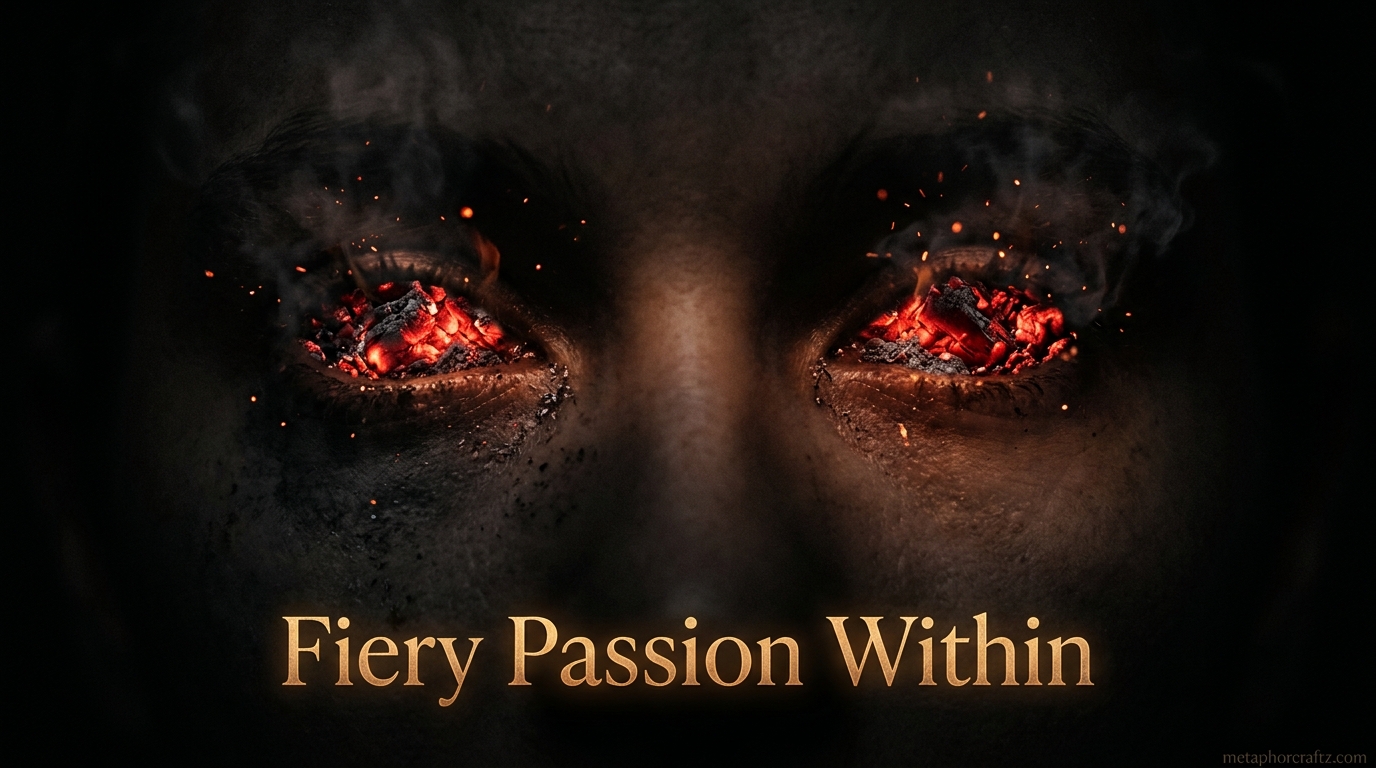
Metaphors for Red Eyes: Creative Expressions, Meanings
Have you ever looked at someone’s red eyes and wondered how to describe them in a more creative way?
Sometimes, simple words like red eyes or tired eyes do not express the full feeling behind a person’s appearance. This is where metaphors can help.
A metaphor for red eyes is a creative expression that compares red eyes to something else without using the words like or as.
It can help describe sadness, anger, tiredness, crying, pain, or strong emotions. For example, calling someone’s eyes “two burning coals” creates a stronger picture than simply saying their eyes are red.
People use these expressions in poems, novels, school assignments, social media captions, and everyday conversations.
Writers also use them to help readers imagine a character’s feelings and appearance.
But which metaphors sound natural? Which ones express anger, and which ones suggest sadness or exhaustion?
This guide answers those questions with 60 examples, simple meanings, and practical sentences. You will also learn when to use each expression and when to avoid it.
Whether you are a student, teacher, poet, or creative writer, this guide, updated for 2026, will help you describe red eyes with confidence.
Definition & Meaning

A metaphor for red eyes is a figurative expression that describes red or bloodshot eyes by comparing them to another object, color, natural force, or emotional image. It makes descriptions more powerful, colorful, and meaningful.
For example, the expression “his eyes were burning coals” compares red eyes to hot, glowing pieces of coal. It may suggest anger, intense emotion, or exhaustion.
Simple Definition
A metaphor for red eyes is a creative way to describe red eyes using an imaginative comparison instead of ordinary words.
Quick Explanation
Writers use these metaphors to create pictures in readers’ minds. They can show how a person looks or suggest what that person feels.
Here are some common examples:
- Burning coals: Red eyes filled with anger or intensity.
- Blood-red windows: Eyes that appear deeply red.
- Embers of sorrow: Red eyes that suggest sadness.
- Storm clouds: Eyes that suggest anger or emotional trouble.
- Two dying flames: Eyes that suggest tiredness and weakness.
Summary Table
| Expression | Simple Meaning | Feeling |
|---|---|---|
| Burning coals | Deeply red eyes | Anger |
| Blood-red windows | Very red eyes | Intensity |
| Embers of sorrow | Red eyes after crying | Sadness |
| Storm clouds | Angry-looking eyes | Anger |
| Dying flames | Exhausted eyes | Tiredness |
| Ruby sparks | Bright red eyes | Intensity |
| Rivers of pain | Eyes showing sadness | Emotional pain |
| Red-hot stars | Bright, striking eyes | Strong emotion |
Remember: A metaphor is not a medical description. Red eyes can have many physical causes, so figurative language should not replace a clear description when health or safety matters.
Why We Use Metaphors for Red Eyes

Metaphors for red eyes help people describe appearance and emotion in a more interesting way. They turn a simple physical detail into a memorable image. Writers, students, poets, and everyday speakers use them to express anger, sadness, exhaustion, and other feelings.
1. To Make Writing More Interesting
Ordinary descriptions can sometimes feel boring. A metaphor gives readers a stronger mental picture.
Example:
- Simple: His eyes were red.
- Metaphorical: His eyes glowed like burning embers.
The second sentence creates a more vivid image.
2. To Express Emotions
Red eyes can suggest different emotions depending on the situation.
Examples:
- Anger: His eyes were two burning furnaces.
- Sadness: Her eyes held the ashes of sorrow.
- Exhaustion: His eyes were fading candles.
- Frustration: Her eyes were storms waiting to break.
3. To Improve Poetry
Poets use metaphors to make emotional descriptions more powerful.
Example: “Two crimson moons rose beneath his tired brows.”
This expression creates an unusual and memorable picture.
4. To Make Stories More Realistic
A good metaphor helps readers understand a character without explaining every feeling.
Example: “After another sleepless night, his eyes became two fading fires.”
The sentence suggests that the character is tired and has not slept.
5. For School Assignments
Students use metaphors in essays, creative writing, short stories, and poetry.
Example: “Her eyes were red lanterns glowing through the darkness.”
This is more creative than saying, “Her eyes were very red.”
6. For Social Media
Short metaphors can make captions more expressive.
Example: “Two tired flames, one sleepless night.”
7. For Professional Communication
Metaphors can add personality to creative presentations, storytelling, and marketing. However, professional reports should usually use clear descriptions instead.
Example: A writer might describe a fictional character as having “eyes like glowing embers” in a promotional story.
60 Best Metaphors for Red Eyes
These 60 metaphors offer different ways to describe red eyes. Some suggest anger, others show sadness, tiredness, pain, or mystery. Each expression includes a meaning, explanation, sample sentence, usage advice, alternatives, difficulty level, and tone.
Metaphors for Red Eyes That Show Anger
These expressions are useful when describing a character who looks furious, frustrated, or emotionally intense.
1. Burning Coals
Meaning: Red eyes that look hot and intense.
Real Explanation: Burning coals glow with a deep red color. Comparing eyes to them creates an image of anger or powerful emotion.
Sample Sentence: His eyes were burning coals as he listened to the accusation.
When to Use It: Use it in action stories, dramatic scenes, and descriptions of anger.
When NOT to Use It: Avoid it when describing someone who is simply tired or has mildly red eyes.
Alternatives: Glowing embers, fiery eyes, blazing sparks.
Difficulty: Easy.
Tone: Neutral.
2. Two Red Furnaces
Meaning: Eyes filled with intense heat and anger.
Real Explanation: A furnace produces strong heat. This metaphor makes a person’s anger seem powerful and difficult to control.
Sample Sentence: His eyes were two red furnaces after the argument.
When to Use It: Use it for strong anger or dramatic characters.
When NOT to Use It: Avoid it in gentle, romantic, or peaceful descriptions.
Alternatives: Burning ovens, fiery pits, blazing fires.
Difficulty: Medium.
Tone: Formal.
3. Crimson Flames
Meaning: Bright red eyes that suggest powerful emotions.
Real Explanation: Flames can represent passion, anger, or emotional energy. Crimson adds a strong red image.
Sample Sentence: Crimson flames filled her eyes when she heard the news.
When to Use It: Use it in fantasy, fiction, and emotional storytelling.
When NOT to Use It: Avoid it for ordinary eye irritation.
Alternatives: Scarlet fire, red flames, blazing eyes.
Difficulty: Medium.
Tone: Neutral.
4. A Burning Volcano
Meaning: Eyes showing anger that is ready to explode.
Real Explanation: A volcano represents pressure and uncontrolled energy. This image suggests someone struggling to control their temper.
Sample Sentence: His eyes were a burning volcano, ready to erupt.
When to Use It: Use it in tense or dramatic scenes.
When NOT to Use It: Avoid it for quiet sadness or simple tiredness.
Alternatives: A raging storm, a fiery mountain, an exploding furnace.
Difficulty: Medium.
Tone: Informal.
5. Scarlet Lightning
Meaning: Red eyes filled with fierce energy.
Real Explanation: Lightning represents sudden power. Scarlet gives the image a strong red color.
Sample Sentence: Scarlet lightning flashed through his eyes as he shouted.
When to Use It: Use it in action scenes and dramatic writing.
When NOT to Use It: Avoid it when describing calm or gentle characters.
Alternatives: Crimson sparks, fiery flashes, red thunderbolts.
Difficulty: Medium.
Tone: Formal.
6. Red-hot Steel
Meaning: Eyes that look intensely red and fierce.
Real Explanation: Steel becomes red-hot under extreme heat. This metaphor suggests controlled but powerful anger.
Sample Sentence: Her eyes were red-hot steel as she faced her enemy.
When to Use It: Use it for strong, determined characters.
When NOT to Use It: Avoid it for descriptions of crying or sleepiness.
Alternatives: Heated iron, glowing metal, burning iron.
Difficulty: Medium.
Tone: Neutral.
7. Flames Behind Glass
Meaning: Red eyes that seem to contain hidden anger.
Real Explanation: The glass suggests that the emotion is held inside rather than openly expressed.
Sample Sentence: His eyes were flames behind glass, hiding the anger he refused to show.
When to Use It: Use it when a character is trying to control strong feelings.
When NOT to Use It: Avoid it when the character is openly expressing happiness or peace.
Alternatives: Hidden fire, trapped flames, covered embers.
Difficulty: Medium.
Tone: Formal.
8. A Pair of Angry Lanterns
Meaning: Red eyes that appear bright and fierce.
Real Explanation: Lanterns give off light in darkness. This metaphor creates an image of glowing, intense eyes.
Sample Sentence: A pair of angry lanterns stared back at him from the darkness.
When to Use It: Use it in mysterious stories and dramatic descriptions.
When NOT to Use It: Avoid it when describing natural-looking eyes without emotional intensity.
Alternatives: Red lamps, glowing lights, fiery beacons.
Difficulty: Easy.
Tone: Neutral.
9. A Raging Inferno
Meaning: Eyes that reflect uncontrolled anger.
Real Explanation: An inferno is a large, powerful fire. It makes anger seem overwhelming.
Sample Sentence: His eyes were a raging inferno after the betrayal.
When to Use It: Use it in emotional conflicts and intense fiction.
When NOT to Use It: Avoid it for mild frustration.
Alternatives: A wild fire, a blazing furnace, a firestorm.
Difficulty: Medium.
Tone: Formal.
10. Scarlet Daggers
Meaning: Red eyes that seem sharp, threatening, and angry.
Real Explanation: Daggers represent danger and aggression. Scarlet adds a strong visual image.
Sample Sentence: Scarlet daggers stared at the man across the room.
When to Use It: Use it for threatening looks in fiction.
When NOT to Use It: Avoid it for friendly or peaceful scenes.
Alternatives: Red blades, fiery stares, crimson arrows.
Difficulty: Medium.
Tone: Formal.
Metaphors for Red Eyes That Show Sadness
These metaphors help writers describe crying, heartbreak, grief, and emotional suffering.
11. Embers of Sorrow
Meaning: Red eyes that show deep sadness.
Real Explanation: Embers are the glowing remains of a fire. They create an image of pain that remains even after the strongest emotions have passed.
Sample Sentence: The embers of sorrow remained in her eyes after the tears stopped.
When to Use It: Use it in emotional stories and poetry.
When NOT to Use It: Avoid it for happy or playful characters.
Alternatives: Ashes of grief, fading flames, glowing sadness.
Difficulty: Medium.
Tone: Formal.
12. Rivers of Pain
Meaning: Eyes that reveal deep emotional suffering.
Real Explanation: Rivers suggest flowing water, while pain gives the image an emotional meaning. The expression works especially well when a character has been crying.
Sample Sentence: Her eyes were rivers of pain after losing her closest friend.
When to Use It: Use it in sad stories and emotional writing.
When NOT to Use It: Avoid it when describing mild disappointment.
Alternatives: Tears of grief, oceans of sorrow, streams of sadness.
Difficulty: Easy.
Tone: Neutral.
13. Crimson Rain Clouds
Meaning: Red eyes that suggest sadness and tears.
Real Explanation: Rain clouds are often linked to gloomy feelings. Crimson adds the appearance of redness.
Sample Sentence: Crimson rain clouds seemed to gather in her tired eyes.
When to Use It: Use it in poetry and emotional fiction.
When NOT to Use It: Avoid it in simple factual descriptions.
Alternatives: Red storm clouds, sorrowful skies, cloudy eyes.
Difficulty: Medium.
Tone: Formal.
14. Windows of Heartbreak
Meaning: Eyes that reveal emotional pain.
Real Explanation: Windows allow people to look inside a place. This metaphor presents the eyes as a way to see someone’s broken heart.
Sample Sentence: Her red eyes were windows of heartbreak.
When to Use It: Use it in romantic stories and descriptions of loss.
When NOT to Use It: Avoid it for anger without sadness.
Alternatives: Mirrors of grief, doors of sorrow, signs of heartbreak.
Difficulty: Easy.
Tone: Neutral.
15. Scarlet Tears of the Soul
Meaning: Eyes that represent deep emotional suffering.
Real Explanation: This poetic expression connects red eyes with inner pain and sadness.
Sample Sentence: Scarlet tears of the soul filled his eyes as he remembered the past.
When to Use It: Use it in poetry and emotional fiction.
When NOT to Use It: Avoid it in ordinary conversation because it sounds highly dramatic.
Alternatives: Tears of the heart, crimson sorrow, wounds of grief.
Difficulty: Hard.
Tone: Formal.
16. The Ashes of Yesterday
Meaning: Red, tired eyes that suggest sadness from past experiences.
Real Explanation: Ashes represent what remains after something has burned. Here, they symbolize old emotional pain.
Sample Sentence: The ashes of yesterday rested in her red eyes.
When to Use It: Use it when writing about memories, loss, or regret.
When NOT to Use It: Avoid it for temporary eye redness without emotional meaning.
Alternatives: Remains of sorrow, memories of pain, fading grief.
Difficulty: Hard.
Tone: Formal.
17. Two Wounded Roses
Meaning: Red eyes that show sadness and emotional weakness.
Real Explanation: Roses often represent beauty and love. A wounded rose suggests emotional damage.
Sample Sentence: Her eyes were two wounded roses after the painful goodbye.
When to Use It: Use it in romantic poetry and sad stories.
When NOT to Use It: Avoid it for aggressive or threatening characters.
Alternatives: Broken flowers, fading roses, damaged petals.
Difficulty: Medium.
Tone: Formal.
18. A Crimson Ocean of Tears
Meaning: Eyes filled with sadness and crying.
Real Explanation: An ocean suggests a large amount of water and emotion. Crimson creates a connection with red eyes.
Sample Sentence: A crimson ocean of tears seemed to fill her eyes.
When to Use It: Use it for powerful scenes of grief.
When NOT to Use It: Avoid it for a character who has not experienced sadness.
Alternatives: A sea of sorrow, a river of tears, an ocean of grief.
Difficulty: Medium.
Tone: Formal.
19. Broken Red Mirrors
Meaning: Eyes that reflect sadness and emotional damage.
Real Explanation: A broken mirror can represent a damaged sense of self or painful memories.
Sample Sentence: His broken red mirrors reflected every painful memory.
When to Use It: Use it in psychological fiction and poetry.
When NOT to Use It: Avoid it when a simple description is more suitable.
Alternatives: Cracked windows, shattered reflections, wounded mirrors.
Difficulty: Hard.
Tone: Formal.
20. The Last Light of Sorrow
Meaning: Red eyes showing sadness that has not disappeared.
Real Explanation: The last light suggests an emotion that is slowly fading but still present.
Sample Sentence: The last light of sorrow lingered in her red eyes.
When to Use It: Use it in reflective stories and poems.
When NOT to Use It: Avoid it for sudden anger or excitement.
Alternatives: Fading grief, dying sorrow, remaining sadness.
Difficulty: Medium.
Tone: Formal.
Metaphors for Red Eyes That Show Tiredness
These expressions describe eyes that look exhausted after sleepless nights, long workdays, or too much stress.
21. Dying Candles
Meaning: Tired red eyes that look weak and exhausted.
Real Explanation: A dying candle produces a weak flame before going out. This suggests a person who has very little energy left.
Sample Sentence: His eyes were dying candles after studying all night.
When to Use It: Use it for sleep-deprived characters.
When NOT to Use It: Avoid it for energetic or angry characters.
Alternatives: Fading flames, weak lights, dim candles.
Difficulty: Easy.
Tone: Neutral.
22. Fading Embers
Meaning: Red eyes that show extreme tiredness.
Real Explanation: Embers slowly lose their heat and brightness. This makes them a useful image for exhausted eyes.
Sample Sentence: Fading embers rested beneath his heavy eyelids.
When to Use It: Use it in descriptive writing about exhaustion.
When NOT to Use It: Avoid it when describing bright, energetic eyes.
Alternatives: Weak sparks, dying flames, dim firelight.
Difficulty: Easy.
Tone: Neutral.
23. Two Empty Lanterns
Meaning: Eyes that look lifeless and tired.
Real Explanation: An empty lantern has no light to offer. This metaphor suggests a person who has lost energy.
Sample Sentence: After the long journey, his eyes were two empty lanterns.
When to Use It: Use it for exhausted characters.
When NOT to Use It: Avoid it for cheerful or excited expressions.
Alternatives: Dark lamps, lifeless windows, fading lights.
Difficulty: Easy.
Tone: Neutral.
24. Sunset Behind Glass
Meaning: Red eyes that appear tired and dim.
Real Explanation: A sunset represents fading light. The glass creates an image of eyes viewed through a soft barrier.
Sample Sentence: A sunset behind glass seemed to rest in her tired eyes.
When to Use It: Use it in gentle poetry and descriptive writing.
When NOT to Use It: Avoid it for intense anger or fear.
Alternatives: Fading sunset, dim horizon, evening glow.
Difficulty: Medium.
Tone: Formal.
25. Two Exhausted Fireflies
Meaning: Small, glowing red eyes that look tired.
Real Explanation: Fireflies produce little points of light. Describing eyes this way suggests a weak glow and low energy.
Sample Sentence: His eyes were two exhausted fireflies struggling through the night.
When to Use It: Use it in imaginative stories.
When NOT to Use It: Avoid it for realistic medical or formal writing.
Alternatives: Fading sparks, tired stars, weak lights.
Difficulty: Medium.
Tone: Informal.
26. Rusted Windows
Meaning: Red eyes that look worn out.
Real Explanation: Rust creates a reddish-brown appearance. The image suggests tiredness and age.
Sample Sentence: Rusted windows stared out from his exhausted face.
When to Use It: Use it in dark or descriptive fiction.
When NOT to Use It: Avoid it for beautiful or romantic descriptions.
Alternatives: Weathered glass, rusty mirrors, worn windows.
Difficulty: Medium.
Tone: Neutral.
27. A Fading Red Sunrise
Meaning: Red eyes that appear weak after a long night.
Real Explanation: A sunrise normally suggests new energy, but a fading sunrise reverses that expectation.
Sample Sentence: His eyes were a fading red sunrise after another sleepless night.
When to Use It: Use it in reflective stories.
When NOT to Use It: Avoid it for fresh, energetic characters.
Alternatives: Weak dawn, dim morning glow, fading horizon.
Difficulty: Medium.
Tone: Formal.
28. Dimmed Ruby Lamps
Meaning: Red eyes that have lost their brightness.
Real Explanation: Rubies are bright red gemstones. Dimmed lamps suggest a loss of energy.
Sample Sentence: Her dimmed ruby lamps could barely stay open.
When to Use It: Use it in creative descriptions of exhaustion.
When NOT to Use It: Avoid it when the eyes look bright and alert.
Alternatives: Fading rubies, weak red lights, dull gemstones.
Difficulty: Medium.
Tone: Neutral.
29. The Embers of a Long Night
Meaning: Eyes showing the effects of staying awake.
Real Explanation: This metaphor connects glowing red embers with the exhaustion left behind by a sleepless night.
Sample Sentence: The embers of a long night burned beneath his eyes.
When to Use It: Use it in stories about work, study, or sleeplessness.
When NOT to Use It: Avoid it when the character has slept well.
Alternatives: Remains of the night, fading sparks, sleepless flames.
Difficulty: Medium.
Tone: Neutral.
30. Two Failing Streetlights
Meaning: Red eyes that appear dull and exhausted.
Real Explanation: Streetlights that are about to go out suggest a lack of energy and strength.
Sample Sentence: His eyes were two failing streetlights during the morning meeting.
When to Use It: Use it in modern stories and humorous descriptions.
When NOT to Use It: Avoid it for highly emotional or romantic scenes.
Alternatives: Flickering lamps, dying lights, weak bulbs.
Difficulty: Easy.
Tone: Informal.
Metaphors for Red Eyes That Show Mystery
These expressions are useful in fantasy, horror, suspense, and imaginative storytelling.
31. Blood-red Windows
Meaning: Eyes that appear deeply red and mysterious.
Real Explanation: Windows suggest a view into another world. Blood-red adds a dark and powerful visual effect.
Sample Sentence: Blood-red windows watched the travelers from the shadows.
When to Use It: Use it in horror and fantasy stories.
When NOT to Use It: Avoid it in friendly everyday descriptions.
Alternatives: Crimson windows, scarlet portals, red gateways.
Difficulty: Easy.
Tone: Formal.
32. Ruby Stars
Meaning: Bright red eyes that stand out in darkness.
Real Explanation: Stars are small points of light, while rubies provide the red color.
Sample Sentence: Two ruby stars shone beneath the creature’s dark hood.
When to Use It: Use it in fantasy and imaginative writing.
When NOT to Use It: Avoid it for dull or ordinary-looking eyes.
Alternatives: Crimson stars, glowing jewels, red diamonds.
Difficulty: Easy.
Tone: Neutral.
33. Crimson Portals
Meaning: Red eyes that seem to open into a mysterious world.
Real Explanation: A portal represents a doorway to another place. This creates a magical or supernatural feeling.
Sample Sentence: His crimson portals seemed to hold secrets from another world.
When to Use It: Use it in fantasy and science fiction.
When NOT to Use It: Avoid it in simple school essays that require literal language.
Alternatives: Scarlet gateways, red doorways, glowing entrances.
Difficulty: Medium.
Tone: Formal.
34. Two Haunted Moons
Meaning: Red eyes that appear strange and unsettling.
Real Explanation: The moon is often connected with mystery and darkness. Calling the eyes haunted moons adds a supernatural feeling.
Sample Sentence: Two haunted moons stared at me from the darkness.
When to Use It: Use it in horror stories and spooky poetry.
When NOT to Use It: Avoid it for warm, welcoming characters.
Alternatives: Ghostly moons, dark planets, crimson moons.
Difficulty: Medium.
Tone: Formal.
35. Scarlet Beacons
Meaning: Red eyes that seem to shine like warning lights.
Real Explanation: A beacon guides people or warns them of danger. This metaphor creates a sense of mystery and attention.
Sample Sentence: Scarlet beacons glowed from the creature’s face.
When to Use It: Use it in suspense and fantasy writing.
When NOT to Use It: Avoid it for soft or sleepy descriptions.
Alternatives: Red signals, crimson lights, glowing warnings.
Difficulty: Medium.
Tone: Formal.
36. The Gates of Fire
Meaning: Eyes that look like entrances to a dangerous or mysterious place.
Real Explanation: Gates suggest an opening, while fire creates a powerful and frightening image.
Sample Sentence: The gates of fire opened in his red stare.
When to Use It: Use it in fantasy, mythology, and dramatic poetry.
When NOT to Use It: Avoid it in realistic everyday conversation.
Alternatives: Fiery doors, burning gateways, crimson entrances.
Difficulty: Hard.
Tone: Formal.
37. Two Crimson Diamonds
Meaning: Bright red eyes that look striking and unusual.
Real Explanation: Diamonds suggest beauty and value, while crimson creates a bold color image.
Sample Sentence: Two crimson diamonds glimmered beneath the moonlight.
When to Use It: Use it in fantasy and poetic descriptions.
When NOT to Use It: Avoid it when describing dull or irritated eyes.
Alternatives: Ruby jewels, red gemstones, scarlet crystals.
Difficulty: Easy.
Tone: Neutral.
38. Red Suns in Darkness
Meaning: Bright red eyes that stand out in a dark setting.
Real Explanation: The sun is a powerful source of light. This comparison makes the eyes seem unusually bright.
Sample Sentence: Two red suns burned in the darkness of the forest.
When to Use It: Use it in fantasy and adventure writing.
When NOT to Use It: Avoid it for subtle or realistic scenes.
Alternatives: Crimson stars, blazing planets, scarlet lights.
Difficulty: Easy.
Tone: Formal.
39. Scarlet Mirrors of the Night
Meaning: Red eyes that reflect mystery and darkness.
Real Explanation: Mirrors reflect what is around them. The night creates a mysterious atmosphere.
Sample Sentence: Her scarlet mirrors of the night watched silently from the doorway.
When to Use It: Use it in gothic fiction and poetry.
When NOT to Use It: Avoid it in casual conversation.
Alternatives: Crimson reflections, dark mirrors, red windows.
Difficulty: Hard.
Tone: Formal.
40. Two Glowing Rubies in a Cave
Meaning: Red eyes shining in a dark place.
Real Explanation: Rubies are naturally associated with a deep red color. A cave adds darkness and mystery.
Sample Sentence: Two glowing rubies in a cave watched the boy approach.
When to Use It: Use it in adventure and fantasy stories.
When NOT to Use It: Avoid it when describing eyes in bright daylight.
Alternatives: Red gemstones, glowing crystals, crimson jewels.
Difficulty: Easy.
Tone: Neutral.
Metaphors for Red Eyes That Show Pain and Struggle
These expressions describe characters who are suffering, facing hardship, or dealing with difficult emotions.
41. Wounds of Fire
Meaning: Red eyes that suggest deep pain.
Real Explanation: Wounds represent injury, while fire suggests burning discomfort. Together, they create an image of suffering.
Sample Sentence: Wounds of fire seemed to live inside his red eyes.
When to Use It: Use it in dramatic and emotional writing.
When NOT to Use It: Avoid it for lighthearted scenes.
Alternatives: Burning scars, wounds of sorrow, marks of pain.
Difficulty: Medium.
Tone: Formal.
42. Scarlet Scars
Meaning: Red eyes that reveal emotional or physical struggle.
Real Explanation: Scars are marks left behind by injuries. Scarlet gives the metaphor a strong visual image.
Sample Sentence: Scarlet scars seemed to cover the windows of her tired soul.
When to Use It: Use it in stories about difficult experiences.
When NOT to Use It: Avoid it for characters with no connection to suffering.
Alternatives: Crimson wounds, red marks, signs of struggle.
Difficulty: Medium.
Tone: Neutral.
43. A Storm Trapped in Glass
Meaning: Eyes showing strong emotions that remain hidden.
Real Explanation: A storm represents emotional chaos. Glass suggests that the feelings are trapped behind a barrier.
Sample Sentence: A storm trapped in glass lived behind his red eyes.
When to Use It: Use it for characters hiding their feelings.
When NOT to Use It: Avoid it for simple physical redness.
Alternatives: Hidden thunder, trapped lightning, bottled emotions.
Difficulty: Medium.
Tone: Formal.
44. Rivers Beneath the Skin
Meaning: Eyes that reveal deep emotional suffering.
Real Explanation: This image suggests that sadness runs through a person even when it is not openly expressed.
Sample Sentence: Rivers beneath the skin showed through her red eyes.
When to Use It: Use it in emotional poetry and fiction.
When NOT to Use It: Avoid it in technical or factual writing.
Alternatives: Hidden tears, silent sorrow, streams of pain.
Difficulty: Hard.
Tone: Formal.
45. Burning Wounds of Memory
Meaning: Red eyes that suggest painful memories.
Real Explanation: Memories can leave emotional marks. Burning wounds describe the pain of remembering something difficult.
Sample Sentence: Burning wounds of memory filled his eyes as he returned home.
When to Use It: Use it in stories about loss and regret.
When NOT to Use It: Avoid it for characters who are simply angry.
Alternatives: Scars of the past, painful memories, wounds of yesterday.
Difficulty: Hard.
Tone: Formal.
46. Crimson Thunderstorms
Meaning: Red eyes filled with emotional conflict.
Real Explanation: Thunderstorms represent confusion and strong feelings. Crimson adds intensity and color.
Sample Sentence: Crimson thunderstorms raged behind her tired eyes.
When to Use It: Use it in dramatic fiction and poetry.
When NOT to Use It: Avoid it for calm and peaceful scenes.
Alternatives: Red tempests, emotional storms, raging skies.
Difficulty: Medium.
Tone: Formal.
47. Two Broken Flames
Meaning: Eyes that show emotional weakness or suffering.
Real Explanation: A broken flame suggests that a person’s energy or hope has been damaged.
Sample Sentence: Two broken flames flickered in his red eyes.
When to Use It: Use it in stories about disappointment and hardship.
When NOT to Use It: Avoid it for strong, confident characters.
Alternatives: Fading sparks, wounded fires, dying embers.
Difficulty: Easy.
Tone: Neutral.
48. A Battlefield of Tears
Meaning: Eyes that reveal a struggle with sadness.
Real Explanation: A battlefield represents conflict. Tears show the emotional side of that struggle.
Sample Sentence: Her red eyes were a battlefield of tears after the painful conversation.
When to Use It: Use it in emotional storytelling.
When NOT to Use It: Avoid it when describing minor irritation.
Alternatives: A war of sorrow, a struggle of grief, a storm of tears.
Difficulty: Medium.
Tone: Neutral.
49. Crimson Warnings
Meaning: Red eyes that seem to signal danger or emotional trouble.
Real Explanation: Warning signs alert people to a problem. This metaphor makes the eyes appear to reveal hidden danger.
Sample Sentence: His crimson warnings told me that something was terribly wrong.
When to Use It: Use it in suspense and dramatic fiction.
When NOT to Use It: Avoid it for relaxed or cheerful situations.
Alternatives: Red signals, danger lights, scarlet alerts.
Difficulty: Easy.
Tone: Neutral.
50. A Heart on Fire
Meaning: Red eyes that reflect intense emotional pain or passion.
Real Explanation: Fire represents powerful feelings. The heart connects those feelings with love, anger, or sorrow.
Sample Sentence: Her red eyes revealed a heart on fire.
When to Use It: Use it in romantic, emotional, or dramatic writing.
When NOT to Use It: Avoid it when the character has no strong emotional experience.
Alternatives: Burning heart, blazing soul, fiery emotions.
Difficulty: Easy.
Tone: Neutral.
Creative and Poetic Metaphors for Red Eyes
These final metaphors are more imaginative. They work well in creative writing, poetry, fantasy, and expressive captions.
51. Ruby Moons
Meaning: Red eyes that resemble glowing moons.
Real Explanation: The moon provides a beautiful image, while ruby suggests a rich red color.
Sample Sentence: Ruby moons floated beneath her dark eyebrows.
When to Use It: Use it in poetry and fantasy stories.
When NOT to Use It: Avoid it for ordinary factual descriptions.
Alternatives: Crimson moons, red planets, scarlet circles.
Difficulty: Easy.
Tone: Formal.
52. Two Scarlet Poppies
Meaning: Red eyes that look bright and flower-like.
Real Explanation: Poppies are known for their red petals. This metaphor creates a soft and unusual image.
Sample Sentence: Two scarlet poppies bloomed beneath her tired brows.
When to Use It: Use it in gentle poetry and imaginative writing.
When NOT to Use It: Avoid it when describing frightening or aggressive eyes.
Alternatives: Red roses, crimson flowers, ruby blossoms.
Difficulty: Medium.
Tone: Formal.
53. Crimson Lanterns of the Soul
Meaning: Red eyes that reveal a person’s inner emotions.
Real Explanation: Lanterns give light, while the soul represents a person’s inner self. The metaphor connects appearance with emotion.
Sample Sentence: Her crimson lanterns of the soul revealed the sadness she tried to hide.
When to Use It: Use it in emotional poetry and stories.
When NOT to Use It: Avoid it in simple business communication.
Alternatives: Windows of the soul, glowing hearts, lights of emotion.
Difficulty: Hard.
Tone: Formal.
54. Red Velvet Curtains
Meaning: Red eyes that suggest mystery or hidden feelings.
Real Explanation: Velvet curtains cover something behind them. This metaphor suggests that emotions are hidden behind the eyes.
Sample Sentence: Red velvet curtains seemed to cover the secrets in his eyes.
When to Use It: Use it in romantic or mysterious writing.
When NOT to Use It: Avoid it when describing openly emotional characters.
Alternatives: Crimson curtains, scarlet veils, red coverings.
Difficulty: Medium.
Tone: Formal.
55. Scarlet Butterflies
Meaning: Red eyes that seem bright, delicate, and unusual.
Real Explanation: Butterflies suggest beauty and movement. Scarlet adds a vivid color image.
Sample Sentence: Scarlet butterflies seemed to dance behind her red eyes.
When to Use It: Use it in imaginative poetry and fantasy.
When NOT to Use It: Avoid it for harsh or frightening descriptions.
Alternatives: Crimson wings, ruby birds, red blossoms.
Difficulty: Medium.
Tone: Neutral.
56. Two Burning Roses
Meaning: Red eyes filled with strong passion or emotion.
Real Explanation: Roses represent love and beauty, while burning suggests powerful feelings.
Sample Sentence: Two burning roses glowed in her face as she spoke.
When to Use It: Use it in romantic and dramatic writing.
When NOT to Use It: Avoid it for neutral or unemotional characters.
Alternatives: Fiery flowers, crimson blossoms, blazing petals.
Difficulty: Medium.
Tone: Formal.
57. Scarlet Echoes
Meaning: Red eyes that seem to carry memories of strong emotions.
Real Explanation: An echo is something that remains after a sound has passed. Scarlet echoes suggest feelings that continue to affect someone.
Sample Sentence: Scarlet echoes of the argument remained in his eyes.
When to Use It: Use it in reflective stories and poetry.
When NOT to Use It: Avoid it for simple descriptions of eye color.
Alternatives: Red memories, crimson reflections, lingering emotions.
Difficulty: Hard.
Tone: Formal.
58. A Pair of Crimson Comets
Meaning: Bright red eyes that appear powerful and unusual.
Real Explanation: Comets travel through space and often leave glowing trails. This metaphor suggests striking, almost magical eyes.
Sample Sentence: A pair of crimson comets flashed through the darkness.
When to Use It: Use it in fantasy, science fiction, and creative descriptions.
When NOT to Use It: Avoid it for natural-looking eyes in realistic fiction.
Alternatives: Red shooting stars, blazing planets, ruby streaks.
Difficulty: Medium.
Tone: Formal.
59. Two Red Whirlwinds
Meaning: Eyes that suggest powerful energy and emotional movement.
Real Explanation: Whirlwinds represent fast, uncontrolled movement. Red adds a strong and intense visual image.
Sample Sentence: Two red whirlwinds seemed to spin inside his angry stare.
When to Use It: Use it in action scenes and expressive poetry.
When NOT to Use It: Avoid it for quiet and peaceful characters.
Alternatives: Scarlet storms, crimson spirals, raging winds.
Difficulty: Medium.
Tone: Neutral.
60. The Last Embers of Dawn
Meaning: Red eyes that suggest tiredness, sadness, or fading hope.
Real Explanation: Dawn represents a new beginning, while dying embers suggest that energy is slowly disappearing.
Sample Sentence: The last embers of dawn rested in her red, sleepless eyes.
When to Use It: Use it in reflective poetry and emotional stories.
When NOT to Use It: Avoid it when describing bright, energetic, or cheerful characters.
Alternatives: Fading sunrise, dying sparks, final glow of morning.
Difficulty: Hard.
Tone: Formal.
Real-Life Conversations Using Metaphors for Red Eyes
Metaphors are not limited to books and poems. People can also use them in creative conversations, friendly jokes, and everyday storytelling. The following conversations show how these expressions can fit into natural situations.
Conversation 1: Two Friends Talking After a Sleepless Night
Alex: You look really tired today. Did you sleep at all?
Sam: Barely. I was studying until three in the morning.
Alex: Your eyes look like two dying candles!
Sam: That’s exactly how I feel. I need a full day of sleep.
Alex: Forget coffee. Go home and rest!
Metaphor Used: Two dying candles.
Meaning: The person’s eyes look weak and exhausted.
Conversation 2: A Mother Talking to Her Daughter
Mother: Sweetheart, why are your eyes so red?
Daughter: I was crying while watching that movie.
Mother: Oh, those eyes look like windows of heartbreak.
Daughter: The ending was so sad. I couldn’t stop crying.
Mother: Come here. Everything will be okay.
Metaphor Used: Windows of heartbreak.
Meaning: The eyes reveal emotional pain and sadness.
Conversation 3: A Teacher Talking to a Student
Teacher: Why do you look so exhausted this morning?
Student: I stayed awake all night preparing for the examination.
Teacher: Your eyes look like fading embers.
Student: I know, sir. I should have studied earlier.
Teacher: Remember, good sleep is important too.
Metaphor Used: Fading embers.
Meaning: The student’s eyes look tired and weak.
Conversation 4: A Writer Discussing a Story
I want my main character to look frightening when he enters the room.
Give him blood-red windows instead of simply saying his eyes are red.
That sounds much more mysterious.
You could also describe them as ruby stars shining in the darkness.
Perfect! That will make the scene more memorable.
Metaphors Used: Blood-red windows and ruby stars.
Meaning: Both expressions create a mysterious and striking appearance.
Conversation 5: Two Friends Discussing a Difficult Day
Mia: You seem upset. What happened?
Emma: I had a terrible argument with my brother.
Mia: I can see the anger in your eyes.
Emma: They probably look like burning coals right now.
Mia: Take a deep breath. You don’t have to solve everything today.
Metaphor Used: Burning coals.
Meaning: The eyes suggest strong anger.
Everyday Usage of Metaphors for Red Eyes
People use metaphors for red eyes in many forms of communication. The best expression depends on the audience, purpose, and mood. A poetic phrase may work beautifully in a novel but sound strange in a professional email.
1. Everyday Conversation
People sometimes use creative comparisons when joking about tiredness, crying, or anger.
Examples:
- “Your eyes look like fading embers. Did you stay up all night?”
- “He stared at me with burning coals for eyes.”
- “After watching that sad movie, my eyes felt like windows of heartbreak.”
Tip: Choose simple expressions that your listener can understand.
2. Writing
Metaphors make descriptions more vivid and help readers understand emotions.
Example:
“After three sleepless nights, his eyes were two empty lanterns.”
This sentence tells readers that the character is exhausted without directly explaining everything.
3. Books and Novels
Novelists use metaphors to develop characters and create memorable scenes.
Example:
“Blood-red windows stared at her from the dark hallway.”
This creates a mysterious and frightening atmosphere.
4. Movies and Screenwriting
Screenwriters use figurative descriptions to help actors and directors understand a character’s appearance and emotions.
Example:
“His eyes were two burning furnaces, filled with anger.”
A director might use this description to guide an actor’s facial expression.
5. Poetry
Poets often use unusual images to connect physical appearance with deeper emotions.
Example:
“Two ruby moons beneath the night,
Still holding tears beyond the light.”
The image of ruby moons gives the reader a creative picture of red eyes.
6. Emails
In professional emails, simple and clear language is usually better than elaborate metaphors.
Example:
“I had a long night preparing the report, so my eyes look like fading embers this morning.”
This expression can work in an informal message to a colleague, but it is not suitable for a formal business report.
7. Text Messages
Short metaphors can make messages more expressive and humorous.
Examples:
- “My eyes are two dying candles after that study session.”
- “I look like a walking pair of empty lanterns.”
- “Sleepless night, fading embers!”
8. Instagram
Instagram captions often use short, emotional, and poetic expressions.
Examples:
- “Two tired flames, one sleepless night.”
- “Crimson eyes, silent stories.”
- “A little sadness behind these ruby windows.”
- “The last embers of a long night.”
9. Facebook
Facebook posts can use metaphors to express personal experiences and emotions.
Example:
“Some nights leave more than memories. They leave fading embers in your eyes.”
10. X
Short expressions work well on X because the platform encourages brief messages.
Examples:
- “Red eyes. Heavy heart. Endless thoughts.”
- “Two dying candles after another sleepless night.”
- “Sometimes the eyes tell stories the mouth cannot.”
11. LinkedIn
LinkedIn is a professional platform, so metaphors should be used carefully. They work best in personal stories and reflective posts.
Example:
“After a demanding week, my eyes looked like fading embers, but the experience reminded me how much I had learned.”
Avoid overly dramatic expressions in formal business communication.
12. School Assignments
Students can use metaphors to improve creative writing and descriptive essays.
Example:
“His eyes were burning coals as he watched the storm approach.”
This sentence is more expressive than simply writing, “His eyes were red.”
Tip for students: Make sure the metaphor fits the meaning of your sentence. Do not use difficult expressions just to make your writing sound complicated.
Conclusion:
A metaphor for red eyes is a creative way to describe appearance, feelings, and emotions through imaginative comparisons.
Instead of repeating simple words like red, tired, or bloodshot, you can use expressions that create stronger pictures in readers’ minds.
For example, burning coals can represent anger, windows of heartbreak can express sadness, and dying candles can describe exhaustion.
Other expressions, such as ruby stars, crimson portals, and scarlet echoes, can add mystery and beauty to creative writing.
The most important thing is to choose a metaphor that matches the situation. A powerful expression should make your message clearer, not more confusing.
Whether you are writing a poem, creating a fictional character, completing a school assignment, or sharing a social media caption, these 60 metaphors can help you describe red eyes in fresh and interesting ways.
Remember, good writing is not about using the most difficult words. It is about helping readers see, feel, and understand what you want to express.
Discover more post:
| https://metaphorcraftz.com/the-metaphor-for-an-invisible-barrier-preventing/ |
| https://metaphorcraftz.com/metaphor-for-sunsets/ |
| https://metaphorcraftz.com/st-patrick-snakes-metaphor-for-pagans/ |
Liora is a passionate writer, language enthusiast, and experienced content creator with 5 years of experience researching and writing about metaphors, figurative language, literary devices, symbolism, and the deeper meanings behind everyday words and expressions.
Related Post

Metaphors for Sweat: Creative Ways to Describe Sweat
Informational and educational. Readers want creative metaphors for sweat, understand what each expression means, and…
2 thoughts on “Metaphors for Red Eyes: Creative Expressions, Meanings”