

Metaphor for Good Smell: Beautiful Ways to Describe
MetaphorCraftz.com >> Uncategorized>> Metaphor for Good Smell: Beautiful Ways to Describe
Metaphor for Good Smell: Beautiful Ways to Describe
A metaphor for good smell compares a pleasant scent to something vivid, beautiful, warm, or memorable. Instead of simply saying it smells good you can say The kitchen was a garden in spring or Her perfume was a soft cloud of roses.
People search for these expressions when they want better words for describing perfume, food, flowers, clean rooms, nature, or a person’s scent.
You may see them in creative writing, poems, stories, captions, school assignments, conversations, and reviews.
The key is to choose an image that matches the kind of smell you mean.
A bakery scent may feel warm and comforting, while fresh rain may feel clean and peaceful.
This guide gives you 60 metaphors for good smell, with meanings, explanations, sample sentences, usage advice, alternatives, tone, and difficulty level.
You will also see natural conversations and examples for everyday writing. The guide is updated for so you can use these expressions in modern writing without making them sound forced.
By the end, you will know how to turn a simple smell into a clear picture that readers can almost feel.
Definition & Meaning
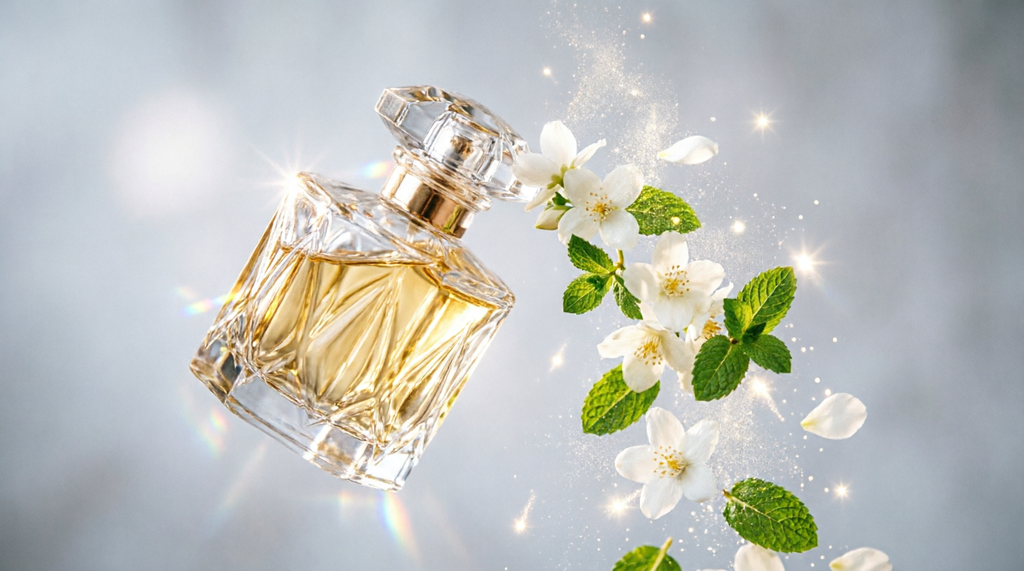
A metaphor for good smell describes a pleasant scent by comparing it directly or indirectly with another thing, such as flowers, sunshine, a garden, honey, or a soft cloud. It does not say the smell literally becomes that thing; it creates a strong mental picture.
Simple definition
A metaphor for good smell is a creative comparison that makes a pleasant scent easier to imagine.
Instead of:
The perfume smelled good.
You could write:
The perfume was a garden blooming at dawn.
The perfume is not really a garden. The comparison tells the reader that the scent is fresh, floral, rich, and beautiful.
Quick explanation
Metaphors make smell more vivid because smell can be difficult to describe with ordinary words. A good metaphor gives the reader something they already understand.
For example:
- “The bread was a warm hug.” → comforting smell
- “The flowers were a perfume shop.” → rich floral smell
- “The rain was nature’s fresh shower.” → clean, fresh smell
- “The coffee was a dark velvet cloud.” → deep, rich smell
Summary table
| Term | Meaning | Example |
|---|---|---|
| Metaphor | A direct creative comparison | “The kitchen was a bakery dream.” |
| Pleasant scent | A smell that feels good | “The room had a pleasant scent.” |
| Aroma | A noticeable, often pleasant smell | “The coffee had a rich aroma.” |
| Fragrance | A sweet or pleasant smell | “The flowers filled the room with fragrance.” |
| Scent | A smell detected by the nose | “The scent of roses drifted inside.” |
| Imagery | Language that creates a mental picture | “The air smelled like a spring garden.” |
Why We Use a Metaphor for Good Smell

Metaphors for good smells help people describe feelings and sensory details more clearly. They are useful when ordinary words such as “nice,” “sweet,” or “fresh” feel too weak. Writers, students, speakers, marketers, and social media users can use them to make descriptions more memorable.
Practical purpose
A metaphor can tell the reader what a smell feels like, not just whether it is pleasant.
Compare:
The cookies smelled good.
with:
The kitchen was wrapped in a warm blanket of cinnamon.
The second sentence creates a stronger feeling.
Everyday usage
You can use smell metaphors for:
- Food
- Coffee
- Perfume
- Flowers
- Rain
- Fresh laundry
- Clean rooms
- Forests
- Candles
- Bakeries
- Freshly cut grass
- Spices
Writing
Metaphors are especially useful in stories, essays, poems, blogs, product descriptions, and personal posts.
Speaking
In casual speech, simple metaphors can make your description more colorful:
“That coffee smells like heaven.”
School
Students can use smell metaphors in descriptive writing, creative writing, essays, and poetry.
Social media
Short metaphors work well for captions:
“Morning coffee: a little cup of comfort.”
Professional communication
Metaphors can work in marketing and creative business writing, but they should remain clear. A restaurant description might say:
“The aroma is a warm welcome at the door.”
Main Section
These 60 metaphors for good smell cover floral, food, fresh, clean, sweet, natural, warm, and luxurious scents. Each example explains the image behind the metaphor and shows how to use it naturally. The best metaphor depends on the scent, setting, audience, and mood you want to create.
1. A Garden in Spring
Meaning: A fresh, colorful, floral smell.
Real explanation: This metaphor compares a beautiful scent to a garden filled with blooming flowers.
Sample sentence: “Her perfume was a garden in spring.”
When to use it: Use it for floral perfumes, flowers, or fresh outdoor scents.
When NOT to use it: Avoid it for dark, smoky, or spicy smells.
Alternatives: A blooming meadow; a field of flowers; spring in a bottle.
Difficulty: Easy
Tone: Neutral
2. A Bouquet of Roses
Meaning: A rich and romantic floral scent.
Real explanation: Roses are strongly linked with beauty and sweet fragrance.
Sample sentence: “The room smelled like a bouquet of roses.”
When to use it: Romantic or floral settings.
When NOT to use it: Do not use it for food or sharp scents.
Alternatives: A rose garden; fresh roses; a floral dream.
Difficulty: Easy
Tone: Romantic
3. Sunshine in the Air
Meaning: A bright, fresh, cheerful smell.
Real explanation: Sunshine suggests warmth, freshness, and happiness.
Sample sentence: “The clean room smelled like sunshine in the air.”
When to use it: Fresh laundry or clean spaces.
When NOT to use it: Avoid it for heavy fragrances.
Alternatives: A ray of freshness; summer air; golden freshness.
Difficulty: Easy
Tone: Warm
4. A Warm Hug
Meaning: A comforting and pleasant smell.
Real explanation: This metaphor connects scent with the safe feeling of being hugged.
Sample sentence: “The smell of fresh bread was a warm hug.”
When to use it: Bread, cookies, vanilla, cinnamon, and home cooking.
When NOT to use it: Not ideal for cold, sharp, or ocean scents.
Alternatives: Comfort in the air; a cozy blanket; home in a scent.
Difficulty: Easy
Tone: Informal
5. Heaven in the Air
Meaning: An extremely pleasant smell.
Real explanation: “Heaven” suggests something wonderful and almost perfect.
Sample sentence: “The bakery smelled like heaven in the air.”
When to use it: Food, baking, coffee, and desserts.
When NOT to use it: Avoid it when you need scientific precision.
Alternatives: Pure delight; a heavenly aroma; paradise in the air.
Difficulty: Easy
Tone: Informal
6. A Sweet Cloud
Meaning: A soft, sweet smell surrounding you.
Real explanation: A cloud suggests something that gently fills the space.
Sample sentence: “A sweet cloud of vanilla floated through the kitchen.”
When to use it: Vanilla, sugar, cake, and soft perfumes.
When NOT to use it: Avoid for strong smoky smells.
Alternatives: A cloud of sweetness; a soft fragrance; a sugary mist.
Difficulty: Easy
Tone: Neutral
7. A Perfume Garden
Meaning: A rich mixture of beautiful floral scents.
Real explanation: The metaphor turns many floral smells into an imagined garden.
Sample sentence: “The flower shop was a perfume garden.”
When to use it: Flower shops, gardens, and floral perfumes.
When NOT to use it: Not suitable for savory food.
Alternatives: A floral paradise; a garden of fragrance; a blooming perfume.
Difficulty: Easy
Tone: Descriptive
8. Honey on the Breeze
Meaning: A soft, sweet, warm scent.
Real explanation: Honey represents sweetness while the breeze suggests a gentle scent moving through the air.
Sample sentence: “The bakery sent honey on the breeze.”
When to use it: Sweet foods and warm outdoor scents.
When NOT to use it: Avoid for sharp chemical smells.
Alternatives: Sweetness on the wind; a honeyed breeze; sugar in the air.
Difficulty: Medium
Tone: Poetic
9. A Rose-Soft Whisper
Meaning: A gentle floral fragrance.
Real explanation: The word “whisper” makes the scent seem light and delicate.
Sample sentence: “Her perfume was a rose-soft whisper.”
When to use it: Light perfumes and romantic writing.
When NOT to use it: Avoid for very strong scents.
Alternatives: A floral whisper; a soft rose breath; a delicate bloom.
Difficulty: Medium
Tone: Poetic
10. A Fresh Morning
Meaning: A clean, bright, refreshing scent.
Real explanation: Morning air often suggests freshness and a new beginning.
Sample sentence: “The soap smelled like a fresh morning.”
When to use it: Soap, shampoo, clean rooms, and outdoor air.
When NOT to use it: Not for rich dessert aromas.
Alternatives: Morning freshness; dawn in the air; a new day.
Difficulty: Easy
Tone: Neutral
11. A Forest After Rain
Meaning: A deep, natural, fresh smell.
Real explanation: This image combines wet earth, leaves, trees, and clean air.
Sample sentence: “The candle smelled like a forest after rain.”
When to use it: Earthy scents and nature-inspired products.
When NOT to use it: Not ideal for sweet perfumes.
Alternatives: Rain-soaked woods; a wet forest; fresh woodland air.
Difficulty: Easy
Tone: Descriptive
12. Nature’s Perfume
Meaning: A natural and beautiful scent.
Real explanation: The metaphor suggests that nature itself has created a wonderful fragrance.
Sample sentence: “The jasmine flowers were nature’s perfume.”
When to use it: Flowers, herbs, forests, and outdoor scents.
When NOT to use it: Avoid for artificial chemical scents.
Alternatives: Earth’s fragrance; a natural perfume; the scent of nature.
Difficulty: Easy
Tone: Neutral
13. A Bakery Dream
Meaning: A delicious smell of baked food.
Real explanation: The word “dream” makes the bakery aroma sound especially tempting.
Sample sentence: “The kitchen was a bakery dream.”
When to use it: Bread, cakes, cookies, and pastries.
When NOT to use it: Not for floral scents.
Alternatives: A baker’s paradise; a pastry dream; heaven from the oven.
Difficulty: Easy
Tone: Informal
14. Cinnamon Sunshine
Meaning: A warm, spicy, cheerful scent.
Real explanation: Cinnamon provides warmth while sunshine adds brightness.
Sample sentence: “The kitchen smelled like cinnamon sunshine.”
When to use it: Cinnamon rolls, candles, and holiday baking.
When NOT to use it: Avoid for cool scents such as mint.
Alternatives: Spiced sunshine; warm cinnamon air; golden spice.
Difficulty: Medium
Tone: Playful
15. A Cup of Comfort
Meaning: A smell that feels warm and comforting.
Real explanation: Coffee or tea can create feelings of rest and home.
Sample sentence: “The coffee aroma was a cup of comfort.”
When to use it: Coffee, tea, cocoa, and warm drinks.
When NOT to use it: Not for floral or ocean scents.
Alternatives: Comfort in a cup; liquid comfort; morning comfort.
Difficulty: Easy
Tone: Informal
16. A Sweet Embrace
Meaning: A warm and pleasant sweet scent.
Real explanation: “Embrace” suggests closeness and comfort.
Sample sentence: “Vanilla filled the room with a sweet embrace.”
When to use it: Vanilla, chocolate, and soft perfumes.
When NOT to use it: Not for harsh scents.
Alternatives: A sweet welcome; a warm embrace; a gentle sweetness.
Difficulty: Medium
Tone: Poetic
17. A Field of Lavender
Meaning: A calm, floral fragrance.
Real explanation: Lavender is commonly associated with clean, soft, relaxing scents.
Sample sentence: “The bedroom smelled like a field of lavender.”
When to use it: Lavender products and relaxing settings.
When NOT to use it: Avoid when the scent is not floral.
Alternatives: Lavender breeze; purple fields; lavender air.
Difficulty: Easy
Tone: Calm
18. A Minty Breeze
Meaning: A cool and refreshing scent.
Real explanation: Mint creates a strong feeling of freshness and coolness.
Sample sentence: “The toothpaste left a minty breeze in the room.”
When to use it: Mint, gum, toothpaste, herbs.
When NOT to use it: Not for warm or sweet smells.
Alternatives: Cool freshness; mint wind; a breath of mint.
Difficulty: Easy
Tone: Neutral
19. A Breath of Fresh Air
Meaning: A very fresh and pleasant scent.
Real explanation: Fresh air is a familiar symbol of cleanliness and relief.
Sample sentence: “The lemon scent was a breath of fresh air.”
When to use it: Citrus, cleaning products, outdoor air.
When NOT to use it: Avoid for heavy fragrances.
Alternatives: Freshness in the air; clean breeze; a fresh breath.
Difficulty: Easy
Tone: Neutral
20. Lemon Sunshine
Meaning: A bright, fresh citrus smell.
Real explanation: Lemon gives the scent its sharp freshness while sunshine adds warmth.
Sample sentence: “The kitchen smelled like lemon sunshine.”
When to use it: Lemon, citrus, cleaners, and summer-themed descriptions.
When NOT to use it: Not for deep woody fragrances.
Alternatives: Citrus sunshine; a lemon breeze; bright citrus air.
Difficulty: Easy
Tone: Playful
21. A Velvet Scent
Meaning: A smooth, soft, luxurious fragrance.
Real explanation: Velvet is soft and rich, so it can describe a sophisticated scent.
Sample sentence: “Her perfume had the feel of a velvet scent.”
When to use it: Luxury perfumes and rich fragrances.
When NOT to use it: Avoid for simple fresh scents.
Alternatives: Silky fragrance; soft luxury; a smooth aroma.
Difficulty: Medium
Tone: Elegant
22. A Golden Aroma
Meaning: A warm, rich, beautiful smell.
Real explanation: Gold suggests warmth, value, and beauty.
Sample sentence: “Golden aromas of butter and bread filled the kitchen.”
When to use it: Baked foods and warm spices.
When NOT to use it: Not ideal for cold or watery scents.
Alternatives: Rich aroma; warm fragrance; golden fragrance.
Difficulty: Medium
Tone: Descriptive
23. A Floral Symphony
Meaning: Many beautiful floral scents working together.
Real explanation: A symphony contains many sounds; this metaphor treats different flower scents as harmonious notes.
Sample sentence: “The garden was a floral symphony.”
When to use it: Gardens and mixed floral arrangements.
When NOT to use it: Not for one simple scent.
Alternatives: Floral harmony; flower orchestra; garden melody.
Difficulty: Medium
Tone: Poetic
24. A Fragrant Melody
Meaning: A pleasant scent that feels graceful and harmonious.
Real explanation: Melody belongs to hearing, but here it creates an artistic image for smell.
Sample sentence: “Jasmine drifted through the room like a fragrant melody.”
When to use it: Poetry and creative writing.
When NOT to use it: Avoid in technical descriptions.
Alternatives: Scented song; aromatic melody; fragrance in the air.
Difficulty: Medium
Tone: Poetic
25. A Garden Kiss
Meaning: A light and lovely floral scent.
Real explanation: The metaphor makes the scent feel gentle and delicate.
Sample sentence: “The perfume left a garden kiss on the air.”
When to use it: Romantic or poetic writing.
When NOT to use it: Not for strong food aromas.
Alternatives: Floral kiss; kiss of roses; a garden’s touch.
Difficulty: Medium
Tone: Romantic
26. A Warm Kitchen Hug
Meaning: A comforting smell of home cooking.
Real explanation: The kitchen and hug together create a strong sense of family and comfort.
Sample sentence: “The smell of soup was a warm kitchen hug.”
When to use it: Soup, bread, cookies, and family meals.
When NOT to use it: Not for formal scientific writing.
Alternatives: A hug from home; kitchen comfort; home in the air.
Difficulty: Easy
Tone: Warm
27. A Chocolate Cloud
Meaning: A rich, sweet chocolate smell.
Real explanation: The cloud suggests that the chocolate aroma fills the surrounding space.
Sample sentence: “A chocolate cloud floated from the bakery.”
When to use it: Chocolate cakes, brownies, and candy.
When NOT to use it: Not for fresh or herbal smells.
Alternatives: Chocolate mist; cocoa cloud; a wave of chocolate.
Difficulty: Easy
Tone: Playful
28. A Vanilla Blanket
Meaning: A soft, warm, comforting vanilla smell.
Real explanation: A blanket suggests warmth and comfort.
Sample sentence: “The candle wrapped the room in a vanilla blanket.”
When to use it: Vanilla candles, cakes, and desserts.
When NOT to use it: Not for sharp citrus smells.
Alternatives: Vanilla comfort; a blanket of sweetness; creamy warmth.
Difficulty: Easy
Tone: Cozy
29. A Honeyed Breeze
Meaning: A gentle, sweet smell carried through the air.
Real explanation: Honey adds sweetness while the breeze gives movement.
Sample sentence: “A honeyed breeze came from the garden.”
When to use it: Sweet flowers and warm outdoor scents.
When NOT to use it: Not for strong industrial smells.
Alternatives: Sweet breeze; honey-sweet air; sugary wind.
Difficulty: Medium
Tone: Poetic
30. A Fragrant Treasure
Meaning: A smell that feels rare and valuable.
Real explanation: Treasure suggests something precious and worth discovering.
Sample sentence: “The spice market was filled with fragrant treasures.”
When to use it: Spices, perfumes, flowers, and special foods.
When NOT to use it: Avoid for ordinary neutral smells.
Alternatives: Aromatic treasure; scented jewel; fragrance gem.
Difficulty: Medium
Tone: Elegant
31. A Scented Sunrise
Meaning: A fresh, hopeful, pleasant smell.
Real explanation: Sunrise represents a fresh beginning.
Sample sentence: “The garden felt like a scented sunrise.”
When to use it: Morning flowers and fresh outdoor air.
When NOT to use it: Not for dark or smoky smells.
Alternatives: Fragrant dawn; scented morning; fresh sunrise.
Difficulty: Medium
Tone: Poetic
32. A Floral Cloud
Meaning: A soft mass of flower fragrance.
Real explanation: The cloud image shows that the scent is all around you.
Sample sentence: “A floral cloud surrounded her as she entered the garden.”
When to use it: Strong floral settings.
When NOT to use it: Not for food aromas.
Alternatives: Flower mist; blossom cloud; floral haze.
Difficulty: Easy
Tone: Descriptive
33. A Sweet Sunrise
Meaning: A warm and pleasant sweet smell.
Real explanation: This combines the comfort of sweetness with the freshness of morning.
Sample sentence: “The smell of pancakes was a sweet sunrise.”
When to use it: Breakfast foods and morning baking.
When NOT to use it: Not for evening or smoky scents.
Alternatives: Sweet morning; sugary dawn; breakfast sunshine.
Difficulty: Easy
Tone: Warm
34. A Breeze of Roses
Meaning: A light rose fragrance moving through the air.
Real explanation: The breeze makes the rose scent feel natural and gentle.
Sample sentence: “A breeze of roses entered through the window.”
When to use it: Gardens and rose perfumes.
When NOT to use it: Avoid for non-floral smells.
Alternatives: Rose breeze; rose-scented air; roses on the wind.
Difficulty: Easy
Tone: Romantic
35. A Perfume From Paradise
Meaning: An exceptionally beautiful fragrance.
Real explanation: Paradise represents a perfect, beautiful place.
Sample sentence: “The jasmine smelled like perfume from paradise.”
When to use it: Strongly positive creative descriptions.
When NOT to use it: Avoid if you need plain, direct language.
Alternatives: Paradise in a bottle; heavenly fragrance; scent of paradise.
Difficulty: Easy
Tone: Poetic
36. A Forest’s Breath
Meaning: A fresh, earthy natural scent.
Real explanation: The forest is imagined as breathing its clean fragrance into the air.
Sample sentence: “The morning air carried the forest’s breath.”
When to use it: Woods, trees, rain, and outdoor scenes.
When NOT to use it: Not for perfume or desserts.
Alternatives: Woodland breath; breath of the trees; forest air.
Difficulty: Medium
Tone: Poetic
37. Earth’s Perfume
Meaning: A natural smell from soil, plants, or rain.
Real explanation: The metaphor presents the earth as having its own fragrance.
Sample sentence: “After the storm, I could smell Earth’s perfume.”
When to use it: Rain, soil, forests, and gardens.
When NOT to use it: Not for artificial fragrances.
Alternatives: Earthy fragrance; soil’s scent; nature’s aroma.
Difficulty: Easy
Tone: Poetic
38. A Rainy-Day Blanket
Meaning: A soft, comforting earthy smell.
Real explanation: Rain and a blanket together create a cozy sensory image.
Sample sentence: “The wet earth smelled like a rainy-day blanket.”
When to use it: Rain, wet soil, and cozy writing.
When NOT to use it: Avoid for bright citrus smells.
Alternatives: Rainy comfort; wet-earth warmth; a blanket of rain.
Difficulty: Medium
Tone: Cozy
39. A Spice Market in the Air
Meaning: A rich mixture of many spices.
Real explanation: This metaphor creates the image of walking through a busy spice market.
Sample sentence: “The kitchen smelled like a spice market in the air.”
When to use it: Curry, cinnamon, cloves, cardamom, and mixed spices.
When NOT to use it: Not for one simple floral scent.
Alternatives: A market of spices; spice-filled air; an aromatic bazaar.
Difficulty: Medium
Tone: Descriptive
40. A Cinnamon Blanket
Meaning: A warm and spicy scent surrounding you.
Real explanation: Cinnamon gives warmth, while a blanket suggests comfort.
Sample sentence: “Cinnamon wrapped the house in a blanket of warmth.”
When to use it: Baking and autumn-style descriptions.
When NOT to use it: Not for cool mint scents.
Alternatives: Cinnamon warmth; spiced comfort; a cinnamon embrace.
Difficulty: Easy
Tone: Cozy
41. A Coffee Sunrise
Meaning: A rich coffee smell that makes the morning feel welcoming.
Real explanation: Coffee and sunrise are both strongly linked with morning.
Sample sentence: “The kitchen woke up with a coffee sunrise.”
When to use it: Morning coffee and cafés.
When NOT to use it: Not for evening floral perfume.
Alternatives: Morning coffee glow; coffee dawn; a roasted sunrise.
Difficulty: Medium
Tone: Warm
42. A Roasted Symphony
Meaning: A rich, complex roasted-food aroma.
Real explanation: A symphony suggests several aroma notes working together.
Sample sentence: “The café was filled with a roasted symphony.”
When to use it: Coffee, nuts, bread, and roasted foods.
When NOT to use it: Not for simple clean scents.
Alternatives: Roasted harmony; aromatic orchestra; rich roasted air.
Difficulty: Medium
Tone: Creative
43. A Cookie Hug
Meaning: A sweet, warm, comforting cookie smell.
Real explanation: The metaphor connects cookies with affection and home.
Sample sentence: “The house smelled like a giant cookie hug.”
When to use it: Cookies and home baking.
When NOT to use it: Avoid in formal scientific writing.
Alternatives: Cookie comfort; a warm cookie welcome; baked sweetness.
Difficulty: Easy
Tone: Informal
44. A Sugar-Kissed Breeze
Meaning: A light sweet scent.
Real explanation: “Kissed” makes the sweetness seem gentle rather than heavy.
Sample sentence: “A sugar-kissed breeze drifted from the bakery.”
When to use it: Cakes, pastries, and desserts.
When NOT to use it: Not for earthy scents.
Alternatives: Sweet breeze; sugary air; lightly sweet fragrance.
Difficulty: Medium
Tone: Poetic
45. A Clean White Cloud
Meaning: A very clean, soft scent.
Real explanation: The image of a white cloud suggests purity, softness, and freshness.
Sample sentence: “The laundry smelled like a clean white cloud.”
When to use it: Fresh laundry, soap, and clean spaces.
When NOT to use it: Not for strong spices.
Alternatives: Pure freshness; a soft clean cloud; fresh linen air.
Difficulty: Easy
Tone: Soft
46. Freshness in a Bottle
Meaning: A product with a very fresh smell.
Real explanation: The metaphor suggests that freshness has been captured inside a bottle.
Sample sentence: “That perfume is freshness in a bottle.”
When to use it: Perfume, soap, shampoo, and cleaning products.
When NOT to use it: Not for rich smoky fragrances.
Alternatives: Bottled freshness; a bottle of fresh air; freshness captured.
Difficulty: Easy
Tone: Neutral
47. A Spring Breeze
Meaning: A light, clean, floral smell.
Real explanation: Spring is associated with flowers, new leaves, and fresh air.
Sample sentence: “The perfume moved around her like a spring breeze.”
When to use it: Fresh floral fragrances.
When NOT to use it: Not for heavy vanilla or chocolate.
Alternatives: Spring air; breeze of spring; fresh floral wind.
Difficulty: Easy
Tone: Natural
48. A Meadow’s Smile
Meaning: A cheerful natural fragrance.
Real explanation: A meadow is associated with grass and wildflowers, while a smile suggests happiness.
Sample sentence: “The wildflowers carried a meadow’s smile.”
When to use it: Nature and poetic descriptions.
When NOT to use it: Not for formal product specifications.
Alternatives: Happy meadow; smiling flowers; meadow freshness.
Difficulty: Medium
Tone: Poetic
49. A Floral Rainbow
Meaning: A colorful mixture of floral scents.
Real explanation: A rainbow has many colors; this metaphor gives the same idea to different flower aromas.
Sample sentence: “The garden released a floral rainbow of scents.”
When to use it: Gardens and mixed flowers.
When NOT to use it: Not for one single scent.
Alternatives: Rainbow of flowers; colorful fragrance; floral spectrum.
Difficulty: Easy
Tone: Creative
50. A Scented Jewel
Meaning: A beautiful and precious fragrance.
Real explanation: A jewel is small, valuable, and attractive, making it useful for describing a special perfume.
Sample sentence: “The rare perfume was a scented jewel.”
When to use it: Luxury perfume or rare flowers.
When NOT to use it: Not for everyday cleaning products.
Alternatives: Fragrance gem; aromatic jewel; scented treasure.
Difficulty: Medium
Tone: Elegant
51. A Whisper of Vanilla
Meaning: A very light vanilla smell.
Real explanation: “Whisper” suggests that the scent is soft and subtle.
Sample sentence: “There was a whisper of vanilla in the room.”
When to use it: Light food or perfume descriptions.
When NOT to use it: Not when the vanilla smell is extremely strong.
Alternatives: Hint of vanilla; touch of vanilla; soft vanilla note.
Difficulty: Easy
Tone: Neutral
52. A Kiss of Citrus
Meaning: A small, bright touch of citrus scent.
Real explanation: “Kiss” means a gentle amount rather than a powerful smell.
Sample sentence: “The drink had a kiss of citrus.”
When to use it: Food, drinks, perfume, and light fragrances.
When NOT to use it: Not for a very strong lemon smell.
Alternatives: Touch of citrus; hint of lemon; citrus note.
Difficulty: Easy
Tone: Natural
53. A Blanket of Flowers
Meaning: A strong floral scent filling an area.
Real explanation: A blanket covers something, so the metaphor suggests flowers or their scent covering the space.
Sample sentence: “A blanket of flowers filled the garden with fragrance.”
When to use it: Large gardens or many flowers.
When NOT to use it: Not for a single flower.
Alternatives: Sea of flowers; floral blanket; field of fragrance.
Difficulty: Easy
Tone: Descriptive
54. A River of Fragrance
Meaning: A scent that flows through a place.
Real explanation: A river moves continuously, making this useful for a smell spreading through a room.
Sample sentence: “A river of fragrance flowed from the kitchen.”
When to use it: Food, flowers, and large spaces.
When NOT to use it: Not for a scent that stays very faint.
Alternatives: Stream of fragrance; wave of aroma; flow of scent.
Difficulty: Medium
Tone: Poetic
55. A Wave of Freshness
Meaning: A sudden strong feeling of freshness.
Real explanation: A wave arrives and surrounds you, just like a strong fresh scent.
Sample sentence: “Opening the window brought a wave of freshness.”
When to use it: Rain, clean air, mint, and citrus.
When NOT to use it: Not for a very subtle scent.
Alternatives: Burst of freshness; rush of fresh air; fresh wave.
Difficulty: Easy
Tone: Neutral
56. A Sea of Fragrance
Meaning: A large amount of pleasant scent.
Real explanation: A sea suggests something wide and surrounding.
Sample sentence: “The flower market was a sea of fragrance.”
When to use it: Flower markets, gardens, and perfume stores.
When NOT to use it: Not for one small scent.
Alternatives: Ocean of fragrance; world of aromas; fragrance everywhere.
Difficulty: Easy
Tone: Poetic
57. A Sweet Welcome
Meaning: A pleasant scent that greets you when you arrive.
Real explanation: The smell becomes a welcoming gesture.
Sample sentence: “The smell of fresh bread was a sweet welcome.”
When to use it: Homes, bakeries, hotels, and kitchens.
When NOT to use it: Not for unpleasant or neutral smells.
Alternatives: Fragrant welcome; warm welcome; aromatic greeting.
Difficulty: Easy
Tone: Warm
58. A Fragrant Greeting
Meaning: A pleasant scent that seems to welcome someone.
Real explanation: The metaphor treats fragrance as if it can greet people.
Sample sentence: “The roses offered a fragrant greeting at the gate.”
When to use it: Gardens, hotels, homes, and flowers.
When NOT to use it: Not for technical writing.
Alternatives: Scented welcome; aromatic greeting; floral hello.
Difficulty: Easy
Tone: Poetic
59. A Symphony of Sweetness
Meaning: Several sweet smells blending beautifully.
Real explanation: A symphony suggests many parts working together in harmony.
Sample sentence: “The dessert shop smelled like a symphony of sweetness.”
When to use it: Bakeries, dessert shops, and mixed sweets.
When NOT to use it: Not for one simple aroma.
Alternatives: Harmony of sweetness; sweet orchestra; chorus of desserts.
Difficulty: Medium
Tone: Creative
60. A Little Piece of Paradise
Meaning: An extremely pleasant and comforting smell.
Real explanation: Paradise represents a perfect place, so the metaphor shows that the scent creates strong pleasure.
Sample sentence: “The smell of freshly baked bread was a little piece of paradise.”
When to use it: Food, flowers, perfume, and memorable pleasant scents.
When NOT to use it: Avoid when you need a neutral description.
Alternatives: Heaven in the air; pure bliss; paradise in a scent.
Difficulty: Easy
Tone: Warm
Quick Reference Table
These 60 expressions can be grouped by the feeling they create. Use floral metaphors for flowers and perfume, warm metaphors for food, fresh metaphors for clean or outdoor scents, and rich metaphors for strong or luxurious aromas. The table below makes it easier to find the right expression quickly.
| # | Metaphor | Best for | Tone | Level |
|---|---|---|---|---|
| 1 | A Garden in Spring | Flowers | Neutral | Easy |
| 2 | A Bouquet of Roses | Roses | Romantic | Easy |
| 3 | Sunshine in the Air | Clean scents | Warm | Easy |
| 4 | A Warm Hug | Food | Informal | Easy |
| 5 | Heaven in the Air | Food | Informal | Easy |
| 6 | A Sweet Cloud | Vanilla | Soft | Easy |
| 7 | A Perfume Garden | Flowers | Descriptive | Easy |
| 8 | Honey on the Breeze | Sweet scents | Poetic | Medium |
| 9 | A Rose-Soft Whisper | Perfume | Poetic | Medium |
| 10 | A Fresh Morning | Clean scents | Neutral | Easy |
| 11 | A Forest After Rain | Nature | Descriptive | Easy |
| 12 | Nature’s Perfume | Nature | Neutral | Easy |
| 13 | A Bakery Dream | Baking | Informal | Easy |
| 14 | Cinnamon Sunshine | Cinnamon | Playful | Medium |
| 15 | A Cup of Comfort | Coffee | Informal | Easy |
| 16 | A Sweet Embrace | Sweet scents | Poetic | Medium |
| 17 | A Field of Lavender | Lavender | Calm | Easy |
| 18 | A Minty Breeze | Mint | Neutral | Easy |
| 19 | A Breath of Fresh Air | Fresh scents | Neutral | Easy |
| 20 | Lemon Sunshine | Citrus | Playful | Easy |
| 21 | A Velvet Scent | Perfume | Elegant | Medium |
| 22 | A Golden Aroma | Food | Descriptive | Medium |
| 23 | A Floral Symphony | Flowers | Poetic | Medium |
| 24 | A Fragrant Melody | Perfume | Poetic | Medium |
| 25 | A Garden Kiss | Flowers | Romantic | Medium |
| 26 | A Warm Kitchen Hug | Food | Warm | Easy |
| 27 | A Chocolate Cloud | Chocolate | Playful | Easy |
| 28 | A Vanilla Blanket | Vanilla | Cozy | Easy |
| 29 | A Honeyed Breeze | Sweet scents | Poetic | Medium |
| 30 | A Fragrant Treasure | Perfume | Elegant | Medium |
| 31 | A Scented Sunrise | Morning | Poetic | Medium |
| 32 | A Floral Cloud | Flowers | Descriptive | Easy |
| 33 | A Sweet Sunrise | Breakfast | Warm | Easy |
| 34 | A Breeze of Roses | Roses | Romantic | Easy |
| 35 | Perfume From Paradise | Perfume | Poetic | Easy |
| 36 | A Forest’s Breath | Nature | Poetic | Medium |
| 37 | Earth’s Perfume | Rain/soil | Poetic | Easy |
| 38 | A Rainy-Day Blanket | Rain | Cozy | Medium |
| 39 | A Spice Market in the Air | Spices | Descriptive | Medium |
| 40 | A Cinnamon Blanket | Cinnamon | Cozy | Easy |
| 41 | A Coffee Sunrise | Coffee | Warm | Medium |
| 42 | A Roasted Symphony | Coffee/food | Creative | Medium |
| 43 | A Cookie Hug | Cookies | Informal | Easy |
| 44 | A Sugar-Kissed Breeze | Desserts | Poetic | Medium |
| 45 | A Clean White Cloud | Laundry | Soft | Easy |
| 46 | Freshness in a Bottle | Perfume/soap | Neutral | Easy |
| 47 | A Spring Breeze | Flowers | Natural | Easy |
| 48 | A Meadow’s Smile | Nature | Poetic | Medium |
| 49 | A Floral Rainbow | Flowers | Creative | Easy |
| 50 | A Scented Jewel | Perfume | Elegant | Medium |
| 51 | A Whisper of Vanilla | Vanilla | Neutral | Easy |
| 52 | A Kiss of Citrus | Citrus | Natural | Easy |
| 53 | A Blanket of Flowers | Flowers | Descriptive | Easy |
| 54 | A River of Fragrance | Strong scents | Poetic | Medium |
| 55 | A Wave of Freshness | Fresh scents | Neutral | Easy |
| 56 | A Sea of Fragrance | Many scents | Poetic | Easy |
| 57 | A Sweet Welcome | Food/home | Warm | Easy |
| 58 | A Fragrant Greeting | Flowers | Poetic | Easy |
| 59 | A Symphony of Sweetness | Desserts | Creative | Medium |
| 60 | A Little Piece of Paradise | Any great scent | Warm | Easy |
Real-Life Conversations
Natural conversations usually use shorter smell metaphors than poems or stories. Friends may say “That smells like heaven,” while a student may use “a garden in spring” in an assignment. The best expression depends on the relationship, setting, and purpose. These examples show how the metaphors can sound natural in everyday speech.
Conversation 1: Friends at a Bakery
Mia: Wow, what is that smell?
Sam: Fresh cinnamon rolls.
Mia: It smells like heaven in the air.
Sam: I know. I came in for coffee, but now I need a roll.
Mia: Same. That cinnamon sunshine got me.
Conversation 2: Family at Home
Mom: Dinner is almost ready.
Ali: The whole house smells amazing.
Mom: It is just fresh bread and soup.
Ali: Just? The bread smells like a warm hug.
Mom: Then grab a plate before your father eats it all.
Conversation 3: Student and Teacher
Student: Can I write “the flowers smelled good” in my story?
Teacher: You can, but try to create a picture.
Student: Maybe, “The garden was a floral symphony.”
Teacher: Much better. Now the reader can imagine many flowers blending together.
Conversation 4: At the Office
Daniel: Did someone bring coffee?
Sara: Yes. I made a fresh pot.
Daniel: The office smells like a coffee sunrise.
Sara: That sounds dramatic.
Daniel: Maybe. But it makes Monday better.
Conversation 5: Social Media Caption
What are you posting?
A picture of my new perfume.
What are you calling it?
Freshness in a bottle.”
Short, clear, and perfect for the picture.
Everyday Usage
The same metaphor can sound natural in one setting and strange in another. Use simple expressions in conversation, vivid ones in creative writing, and clear descriptions in professional writing. A metaphor should add meaning instead of making a sentence harder to understand.
Conversation
Everyday speech favors short expressions.
Natural:
“This coffee smells like heaven.”
Natural:
“Your perfume smells like a garden.”
Very complex metaphors may sound unusual in a normal conversation.
Writing
Creative writing gives you more freedom.
“The bakery released a river of fragrance into the cold morning.”
This works because the sentence builds a scene.
Books
Novelists often use smell metaphors to establish place and mood.
A warm kitchen can suggest family. A forest scent can suggest peace. A perfume can suggest romance or mystery.
Movies
Screenwriters and novelists can use sensory language in descriptions, but dialogue should remain believable.
Instead of making every character speak poetically, give each person a natural voice.
Poetry
Poetry gives you the most freedom to combine senses.
“Rose petals whispered their perfume into the evening.”
Here, the metaphor creates a gentle emotional image.
Emails
Professional emails usually need simple language.
Instead of:
“Your office was a symphony of aromatic sunshine.”
write:
“The fresh flowers made the room feel warm and welcoming.”
Text messages
Texting works well with short metaphors.
“This bakery smells like heaven 😂”
“Your candle is basically a vanilla blanket.”
Short, visual metaphors make strong captions:
“Freshness in a bottle.”
“A little piece of paradise.”
“Cinnamon sunshine.”
Facebook posts can use slightly longer descriptions:
“The first smell of fresh bread filled the kitchen like a warm hug.”
X
Short expressions work best:
“Coffee sunrise. Best part of the morning.”
Keep professional metaphors restrained.
For example:
“A welcoming workspace can feel like a breath of fresh air.”
That sounds clearer than an overly poetic description.
School assignments
Students can use metaphors to add sensory detail.
Basic:
The garden smelled good.
Better:
The garden smelled like a field of lavender.
More creative:
The garden opened like a floral symphony after the rain.
The second or third version may work better in creative writing, but the best choice depends on the assignment.
How to Choose the Right Metaphor for a Good Smell
The best metaphor depends on the type of smell, the emotion, and the setting. A rose scent needs a different image from fresh bread, coffee, rain, or mint. First identify what the smell reminds you of, then choose an image that creates the same feeling for the reader.
For floral smells
Choose:
- A garden in spring
- A bouquet of roses
- A floral symphony
- A floral cloud
- A field of lavender
For food smells
Choose:
- A bakery dream
- A warm hug
- A cookie hug
- Heaven in the air
- A sweet welcome
For coffee
Choose:
- A coffee sunrise
- A cup of comfort
- A roasted symphony
- A warm kitchen hug
For fresh smells
Choose:
- A breath of fresh air
- A spring breeze
- Sunshine in the air
- A wave of freshness
For rain and nature
Choose:
- A forest after rain
- Earth’s perfume
- A forest’s breath
- A rainy-day blanket
For perfume
Choose:
- A scented jewel
- A velvet scent
- A perfume garden
- A fragrant melody
- Perfume from paradise
Metaphor vs. Simile for Good Smell
A metaphor says one thing is another thing for effect, while a simile usually uses “like” or “as.” Both can describe a pleasant smell, but they create slightly different sentence patterns. Knowing the difference helps you choose the right form for schoolwork, creative writing, captions, and everyday communication.
Metaphor
“The kitchen was a bakery dream.”
The kitchen is directly compared to a bakery dream.
Simile
“The kitchen smelled like a bakery dream.”
The word “like” signals the comparison.
More examples
Metaphor:
“Her perfume was a garden in spring.”
Simile:
“Her perfume smelled like a garden in spring.”
Metaphor:
“The coffee was a cup of comfort.”
Simile:
“The coffee smelled like a cup of comfort.”
Both forms can work. The metaphor often sounds stronger and more direct, while the simile can sound more natural in everyday descriptions.
Common Mistakes When Using Metaphors for Good Smell
Good smell metaphors work best when they are clear, relevant, and natural. The biggest mistake is choosing an image simply because it sounds fancy. A metaphor should help readers understand the scent, not make them stop and wonder what you mean.
1. Using a metaphor that does not match the smell
If you describe mint as “a warm blanket,” readers may become confused.
Better:
“The mint was a cool breeze.”
2. Using too many metaphors
One strong metaphor is often better than five weak ones.
Too much:
“The perfume was a garden, a rainbow, a river, a cloud, and sunshine.”
Better:
“The perfume was a garden in spring.”
3. Forgetting the audience
A school essay, business description, text message, and poem do not need the same style.
4. Making every sentence poetic
Normal writing needs balance. Save your strongest metaphors for moments where they add something useful.
5. Using unclear comparisons
A metaphor should create an understandable picture.
Instead of:
“The smell was a silver thought.”
try:
“The smell was a soft cloud of vanilla.”
6. Confusing metaphor with literal description
A metaphor is imaginative. You do not need to pretend the smell literally becomes another object.
FAQs:
What is a good metaphor for a good smell?
A good metaphor for a pleasant smell compares the scent to something positive and easy to imagine, such as a garden, sunshine, honey, a warm hug, or paradise. For example, “The perfume was a garden in spring” creates a clear image of a fresh, beautiful floral fragrance.
What is a metaphor for something that smells amazing?
You can say “It smells like heaven,” “It is a little piece of paradise,” or “It is a warm hug in the air.” For food, “a bakery dream” is especially useful. For perfume, “a scented jewel” gives the scent a luxurious feeling.
How do you describe a beautiful smell in writing?
Use words that show both the scent and the feeling it creates. Instead of saying “the flowers smelled good,” write, “The garden was a floral symphony.” You can also compare the scent to sunshine, a breeze, honey, a garden, or another familiar pleasant image.
What is a metaphor for a sweet smell?
Useful metaphors include “a sweet cloud,” “a honeyed breeze,” “a sweet embrace,” “a sugar-kissed breeze,” and “a symphony of sweetness.” Choose a softer metaphor for vanilla and a richer one for cakes, chocolate, or desserts.
What is a metaphor for a fresh smell?
Good choices include “a breath of fresh air,” “a spring breeze,” “sunshine in the air,” and “a wave of freshness.” These metaphors work well for clean laundry, soap, rain, mint, citrus, and outdoor air.
What is a metaphor for a floral smell?
Try “a garden in spring,” “a floral symphony,” “a bouquet of roses,” “a floral cloud,” or “a field of lavender.” These expressions help readers picture a soft, colorful, or rich flower scent.
What is a metaphor for the smell of food?
For food, try “a bakery dream,” “a warm hug,” “a sweet welcome,” “a cookie hug,” or “heaven in the air.” Warm metaphors are especially effective for bread, cookies, cakes, cinnamon rolls, and home cooking.
What is a poetic way to say something smells good?
Poetic choices include “a fragrant melody,” “a river of fragrance,” “a scented sunrise,” “Earth’s perfume,” and “a little piece of paradise.” The right choice depends on whether the scent feels floral, fresh, sweet, earthy, warm, or luxurious.
Can I use these metaphors in a school assignment?
Yes. Choose an expression that matches the assignment and your grade level. A simple phrase such as “The garden smelled like a spring breeze” is clear and effective. More poetic phrases such as “a floral symphony” can work well in creative writing.
Are metaphors and similes the same?
No. Both make comparisons, but a metaphor makes a direct comparison, while a simile commonly uses “like” or “as.” For example, “The perfume was a garden” is a metaphor, while “The perfume smelled like a garden” is a simile.
What is the best metaphor for a pleasant smell?
There is no single best metaphor because the ideal choice depends on the scent. “A garden in spring” works well for flowers, “a bakery dream” for food, “a coffee sunrise” for coffee, and “a breath of fresh air” for clean or refreshing smells.
Final Takeaway:
A strong metaphor for good smell does more than say that something smells nice. It gives the reader a picture, feeling, memory, or mood.
A garden in spring suggests flowers, a warm hug suggests comfort a coffee sunrise suggests a fresh morning, and Earth’s perfume suggests rain and nature.
When choosing your own metaphor, ask three simple questions:
- What does the smell remind me of?
- What feeling does it create?
- Will the reader understand the comparison?
Keep the image simple when you are writing for school or everyday conversation. Use more creative comparisons when writing poetry, stories, captions, or descriptive pieces.
The goal is not to use the fanciest metaphor. The goal is to make the smell easy to imagine.
Discover more post:
| https://metaphorcraftz.com/metaphor-for-rushing/ |
| https://metaphorcraftz.com/metaphor-for-eating-fast/ |
| https://metaphorcraftz.com/metaphor-for-terror/ |

Juliet is a passionate English language writer and literary content creator with over 5 years of experience in writing about metaphors, figurative language, literary devices, English expressions, and creative writing. As the author behind MetaphorCraftz, she is dedicated to making complex literary concepts simple, clear, and enjoyable for readers of all levels.
Related Post

Metaphor for Corona: Creative and Easy Examples
If by “corona” you mean COVID-19 or the coronavirus, a metaphor compares the virus or…
3 thoughts on “Metaphor for Good Smell: Beautiful Ways to Describe”