

Metaphors for Eating Fast: Creative Ways to Describe
MetaphorCraftz.com >> Uncategorized>> Metaphors for Eating Fast: Creative Ways to Describe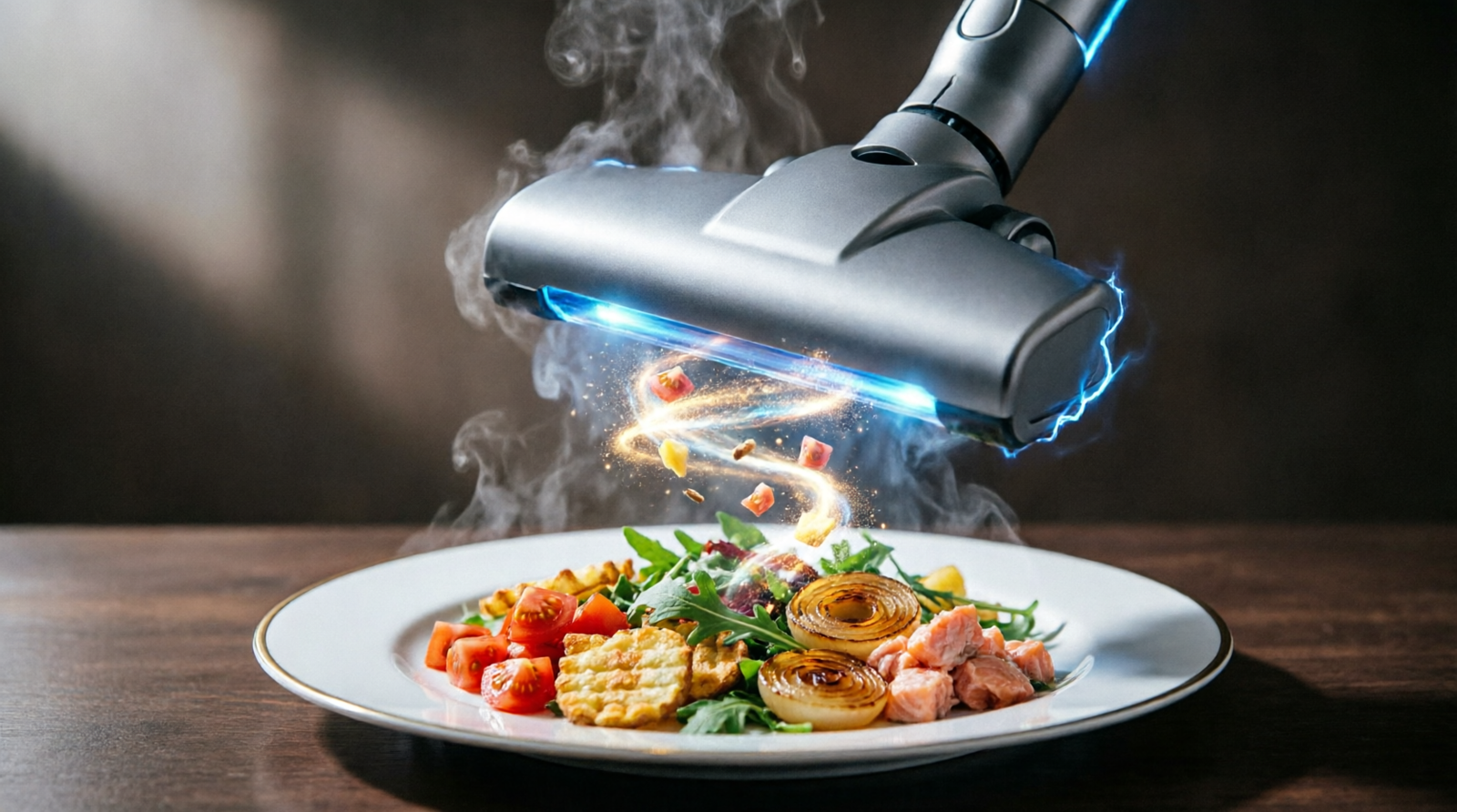
Metaphors for Eating Fast: Creative Ways to Describe
Eating fast is easy to describe with words such as gulping, wolfing down, or eating quickly. But a good metaphor can make the action much more vivid.
A phrase like He ate as if the food were going to disappear gives the reader a clear picture of speed, hunger, and urgency.
People search for a metaphor for eating fast when they want a more colorful way to describe someone who eats too quickly.
You may need one for a story, school assignment, poem, conversation, social media post, or creative description.
The challenge is choosing an expression that fits the exact feeling: simple speed, extreme hunger, excitement, panic, or lack of manners.
This guide gives you more than 60 original and familiar metaphorical expressions. Each example explains what it means, shows it in a natural sentence, and tells you when it works best.
You will also find alternatives, tone levels, real-life conversations, and a quick reference table.
The key idea is simple: a strong metaphor compares fast eating to something familiar, such as a race, storm, vacuum, machine, or hungry animal. The best choice depends on the mood and audience.
Definition & Meaning

A metaphor for eating fast is a creative comparison that describes someone eating very quickly without simply saying “they ate fast.” It can compare fast eating to a race, storm, machine, animal, or other action. These expressions make writing more visual, lively, and memorable.
Simple definition
A metaphor for eating fast describes rapid eating by comparing it with another action, object, creature, or event.
For example:
“He was a vacuum at the dinner table.”
This does not mean he was literally a vacuum. It means he ate food extremely quickly, almost as if he were sucking everything up.
Quick explanation
Compare these two sentences:
- Plain: Sarah ate her lunch very fast.
- Metaphorical: Sarah attacked her lunch like a hungry wolf.
The first sentence gives information. The second creates a picture in the reader’s mind.
Quick summary
| Expression | Main idea | Tone |
|---|---|---|
| Ate like a wolf | Very hungry | Informal |
| Ate like a vacuum | Cleared food quickly | Informal |
| Food vanished | Food disappeared quickly | Neutral |
| Ate at lightning speed | Extremely fast | Neutral |
| Devoured the meal | Ate eagerly and quickly | Neutral |
| Ate like a machine | Fast and steady | Informal |
| Raced through lunch | Ate with great speed | Neutral |
| Gobbled it down | Ate very quickly | Informal |
| Swallowed it whole | Ate extremely fast | Informal |
| Was a food tornado | Fast and messy | Humorous |
Why We Use a Metaphor for Eating Fast
We use metaphors for fast eating because they make a simple action easier to picture. Instead of saying someone ate quickly, a writer can compare the person to a vacuum, wolf, racing car, storm, or machine. The comparison adds emotion, humor, speed, and personality to the description.
Practical purpose
A metaphor can show how someone eats, not just how fast they eat.
For example, “He ate like a wolf” suggests hunger. “He ate like a machine” suggests steady, repeated movement.
Everyday usage
People often use these expressions jokingly with friends and family:
“Whoa, you ate that like a vacuum!”
The phrase sounds more playful than:
“You ate very quickly.”
Writing
Metaphors work especially well in:
- Stories
- Personal essays
- Creative writing
- Poems
- School assignments
- Character descriptions
- Social media captions
Speaking
In casual speech, expressions such as “wolfed it down” and “gobbled it up” sound natural.
For formal speech, a simpler phrase such as “ate very quickly” may be better.
School
Students can use creative comparisons to make descriptive writing stronger.
“The hungry boy was a vacuum, leaving nothing on his plate.”
Social media
Humorous metaphors can make captions more entertaining.
“Lunch disappeared like magic.”
Professional communication
A metaphor may be fine in casual workplace conversation, but formal reports usually need clear language.
Instead of:
“He attacked the sandwich like a hungry bear.”
use:
“He finished the sandwich very quickly.”
Main Section
The best metaphors for eating fast compare rapid eating with things that move quickly, consume things, or create a sense of urgency. Below are 60 useful examples, ranging from simple and friendly to funny and dramatic. Each one has a slightly different meaning, so choose the expression that matches your context.
1. Ate Like a Hungry Wolf
Meaning: Ate with great speed and hunger.
Real explanation: Wolves are often used as a symbol of strong hunger.
Sample sentence: “Jake ate like a hungry wolf after the long hike.”
When to use it: Casual stories and conversations.
When NOT to use it: Formal reports.
Alternatives: Ate like a beast; devoured it; wolfed it down.
Difficulty: Easy
Tone: Informal
2. Ate Like a Vacuum
Meaning: Consumed food extremely quickly.
Real explanation: A vacuum quickly sucks things up, making it a funny comparison for someone who clears food from a plate.
Sample sentence: “Mia was a vacuum at dinner and finished everything in minutes.”
When to use it: Funny conversations and stories.
When NOT to use it: Serious or formal writing.
Alternatives: Food vacuum; human vacuum; sucked it all up.
Difficulty: Easy
Tone: Humorous
3. Ate at Lightning Speed
Meaning: Ate incredibly fast.
Real explanation: Lightning is associated with extreme speed.
Sample sentence: “He finished his breakfast at lightning speed.”
When to use it: General writing and conversation.
When NOT to use it: Scientific or highly formal writing.
Alternatives: Ate incredibly fast; ate in seconds; raced through breakfast.
Difficulty: Easy
Tone: Neutral
4. Raced Through Lunch
Meaning: Ate lunch very quickly.
Real explanation: The word “raced” suggests speed and little time spent eating.
Sample sentence: “I raced through lunch because my meeting started early.”
When to use it: Everyday situations.
When NOT to use it: When you want to emphasize hunger rather than lack of time.
Alternatives: Rushed through lunch; hurried through lunch; sped through lunch.
Difficulty: Easy
Tone: Neutral
5. Devoured the Meal
Meaning: Ate the meal eagerly and quickly.
Real explanation: “Devour” often suggests strong hunger and complete consumption.
Sample sentence: “After practice, the players devoured their meals.”
When to use it: Stories and everyday writing.
When NOT to use it: Very formal descriptions of eating.
Alternatives: Gobbled the meal; wolfed it down; ate it eagerly.
Difficulty: Easy
Tone: Neutral
6. Gobbled It Down
Meaning: Ate something very quickly.
Real explanation: “Gobble” suggests quick, eager eating.
Sample sentence: “Tom gobbled down his sandwich before class.”
When to use it: Casual speech.
When NOT to use it: Formal documents.
Alternatives: Wolfed it down; gulped it down; devoured it.
Difficulty: Easy
Tone: Informal
7. Ate Like a Machine
Meaning: Ate quickly and steadily.
Real explanation: A machine can repeat an action rapidly without stopping.
Sample sentence: “He ate like a machine and soon had an empty plate.”
When to use it: Humorous descriptions.
When NOT to use it: Emotional or poetic writing where warmth is needed.
Alternatives: Ate nonstop; ate mechanically; kept eating.
Difficulty: Easy
Tone: Humorous
8. Was a Food Tornado
Meaning: Ate very fast, often with a little mess.
Real explanation: A tornado moves with force and can leave things scattered behind.
Sample sentence: “At the birthday party, Ben was a food tornado.”
When to use it: Funny stories.
When NOT to use it: Formal writing.
Alternatives: Food storm; eating tornado; whirlwind eater.
Difficulty: Easy
Tone: Humorous
9. Ate Like a Hungry Bear
Meaning: Ate quickly because of strong hunger.
Real explanation: A hungry bear is a familiar image of powerful appetite.
Sample sentence: “After camping all day, we ate like hungry bears.”
When to use it: Casual storytelling.
When NOT to use it: Formal descriptions.
Alternatives: Ate like a beast; ate like a wolf; devoured everything.
Difficulty: Easy
Tone: Informal
10. Food Disappeared Down His Throat
Meaning: He ate so quickly that the food seemed to vanish.
Real explanation: The image focuses on how quickly food disappears.
Sample sentence: “The noodles disappeared down his throat before anyone could speak.”
When to use it: Creative writing.
When NOT to use it: Medical or literal writing.
Alternatives: Food vanished; swallowed it quickly; food was gone in seconds.
Difficulty: Easy
Tone: Neutral
11. Ate Like a Racing Car
Meaning: Ate extremely fast.
Real explanation: A racing car represents speed.
Sample sentence: “He was eating like a racing car at the buffet.”
When to use it: Humorous descriptions.
When NOT to use it: Formal writing.
Alternatives: Ate at top speed; raced through the meal; ate rapidly.
Difficulty: Easy
Tone: Humorous
12. Swallowed Lunch in Seconds
Meaning: Finished lunch extremely quickly.
Real explanation: The phrase exaggerates speed for effect.
Sample sentence: “She swallowed lunch in seconds and ran back to work.”
When to use it: Casual descriptions.
When NOT to use it: Literal situations where choking could be misunderstood.
Alternatives: Finished lunch quickly; rushed lunch; ate in seconds.
Difficulty: Easy
Tone: Neutral
13. Ate Like There Was No Tomorrow
Meaning: Ate with unusual eagerness or intensity.
Real explanation: The phrase suggests extreme urgency.
Sample sentence: “After missing breakfast, he ate like there was no tomorrow.”
When to use it: Dramatic or humorous writing.
When NOT to use it: Formal writing.
Alternatives: Ate desperately; ate with urgency; devoured everything.
Difficulty: Easy
Tone: Informal
14. Cleared the Plate in a Flash
Meaning: Finished all the food very quickly.
Real explanation: “In a flash” means almost instantly.
Sample sentence: “He cleared his plate in a flash.”
When to use it: Conversation and creative writing.
When NOT to use it: Formal reports.
Alternatives: Finished instantly; emptied the plate quickly; ate it all fast.
Difficulty: Easy
Tone: Informal
15. Ate Like a Hungry Lion
Meaning: Ate with strong hunger and force.
Real explanation: A hungry lion creates an image of powerful appetite.
Sample sentence: “After the game, the boys ate like hungry lions.”
When to use it: Stories and casual speech.
When NOT to use it: Professional writing.
Alternatives: Ate like a beast; devoured it; attacked the meal.
Difficulty: Easy
Tone: Informal
16. Attacked the Sandwich
Meaning: Ate a sandwich with great speed or enthusiasm.
Real explanation: “Attacked” turns eating into a forceful action.
Sample sentence: “He attacked the sandwich as soon as it arrived.”
When to use it: Funny or vivid writing.
When NOT to use it: Formal contexts.
Alternatives: Devoured the sandwich; tore into the sandwich; wolfed it down.
Difficulty: Easy
Tone: Humorous
17. Tore Into the Pizza
Meaning: Started eating pizza eagerly and quickly.
Real explanation: “Tore into” creates a strong, energetic image.
Sample sentence: “The kids tore into the pizza after the game.”
When to use it: Informal writing.
When NOT to use it: Formal descriptions.
Alternatives: Devoured the pizza; attacked the pizza; gobbled it up.
Difficulty: Easy
Tone: Informal
18. Food Was Gone in a Blink
Meaning: The food disappeared extremely quickly.
Real explanation: A blink lasts only a moment.
Sample sentence: “The cookies were gone in a blink.”
When to use it: Stories and captions.
When NOT to use it: Precise factual writing.
Alternatives: Gone in seconds; vanished instantly; disappeared quickly.
Difficulty: Easy
Tone: Neutral
19. Ate in a Whirlwind
Meaning: Ate with great speed and energy.
Real explanation: A whirlwind suggests fast, powerful movement.
Sample sentence: “She ate in a whirlwind and hurried out the door.”
When to use it: Creative writing.
When NOT to use it: Formal writing.
Alternatives: Ate rapidly; rushed through the meal; ate in a frenzy.
Difficulty: Intermediate
Tone: Vivid
20. Was a Human Garbage Disposal
Meaning: Ate almost everything placed in front of them.
Real explanation: A garbage disposal destroys food quickly, so the comparison is humorous.
Sample sentence: “My brother is a human garbage disposal when he’s hungry.”
When to use it: Jokes among people who know each other.
When NOT to use it: Professional or polite situations.
Alternatives: Human vacuum; bottomless pit; food machine.
Difficulty: Intermediate
Tone: Humorous
21. Ate Like a Bottomless Pit
Meaning: Ate a lot and kept eating.
Real explanation: A bottomless pit appears to have no end, so it suggests an endless appetite.
Sample sentence: “After the tournament, he ate like a bottomless pit.”
When to use it: Humorous descriptions.
When NOT to use it: Sensitive conversations about someone’s eating habits.
Alternatives: Endless appetite; ate nonstop; bottomless stomach.
Difficulty: Easy
Tone: Humorous
22. Rushed Through the Meal
Meaning: Ate quickly because of urgency or limited time.
Real explanation: “Rushed” clearly shows that the meal was not eaten slowly.
Sample sentence: “I rushed through the meal to catch the train.”
When to use it: Everyday writing and speech.
When NOT to use it: When describing joyful, relaxed eating.
Alternatives: Hurried through dinner; sped through lunch; ate quickly.
Difficulty: Easy
Tone: Neutral
23. Ate in a Frenzy
Meaning: Ate with wild speed or excitement.
Real explanation: A frenzy suggests uncontrolled or highly excited activity.
Sample sentence: “The children ate in a frenzy after the long trip.”
When to use it: Dramatic stories.
When NOT to use it: Calm or formal descriptions.
Alternatives: Ate wildly; devoured it; ate frantically.
Difficulty: Intermediate
Tone: Dramatic
24. Gulped Down Dinner
Meaning: Ate dinner very quickly.
Real explanation: “Gulped” suggests swallowing food quickly.
Sample sentence: “He gulped down dinner before heading back to work.”
When to use it: Casual descriptions.
When NOT to use it: Formal writing.
Alternatives: Gobbled dinner; wolfed dinner; swallowed dinner quickly.
Difficulty: Easy
Tone: Informal
25. Ate Like a Hungry Puppy
Meaning: Ate eagerly and quickly, usually in a cute way.
Real explanation: Puppies can suggest eagerness and excitement around food.
Sample sentence: “The little boy ate like a hungry puppy.”
When to use it: Warm or playful writing.
When NOT to use it: Serious descriptions.
Alternatives: Ate eagerly; gobbled it up; ate hungrily.
Difficulty: Easy
Tone: Playful
26. Food Fell Into a Black Hole
Meaning: Food disappeared extremely quickly.
Real explanation: A black hole is imagined as something that pulls everything into it.
Sample sentence: “The pizza fell into a black hole once the teenagers arrived.”
When to use it: Funny writing.
When NOT to use it: Formal contexts.
Alternatives: Food vanished; disappeared instantly; was swallowed up.
Difficulty: Intermediate
Tone: Humorous
27. Ate at Full Speed
Meaning: Ate as fast as possible.
Real explanation: “Full speed” suggests maximum effort.
Sample sentence: “He ate at full speed because the bell was about to ring.”
When to use it: Everyday situations.
When NOT to use it: Formal writing where “quickly” is clearer.
Alternatives: Ate rapidly; ate as fast as possible; raced through lunch.
Difficulty: Easy
Tone: Neutral
28. Devoured It in One Breath
Meaning: Ate something incredibly quickly.
Real explanation: This is an exaggeration that makes the speed sound dramatic.
Sample sentence: “She devoured the sandwich in one breath.”
When to use it: Fiction and humor.
When NOT to use it: Literal health or safety writing.
Alternatives: Ate it instantly; wolfed it down; finished it in seconds.
Difficulty: Intermediate
Tone: Dramatic
29. Ate Like a Speed Demon
Meaning: Ate extremely fast.
Real explanation: “Speed demon” is a playful phrase for someone who moves very fast.
Sample sentence: “You were a speed demon at breakfast today.”
When to use it: Friendly joking.
When NOT to use it: Formal writing.
Alternatives: Speed eater; lightning eater; fast eater.
Difficulty: Easy
Tone: Humorous
30. Turned Lunch Into a Race
Meaning: Ate lunch as if competing in a race.
Real explanation: The comparison turns ordinary eating into a contest.
Sample sentence: “He turned lunch into a race and finished before everyone else.”
When to use it: Stories and humor.
When NOT to use it: Serious situations.
Alternatives: Raced through lunch; made lunch a contest; sped through the meal.
Difficulty: Easy
Tone: Humorous
31. Ate Like a Swarm
Meaning: Several people consumed food very quickly.
Real explanation: A swarm suggests a large group moving rapidly toward something.
Sample sentence: “The kids attacked the snack table like a swarm.”
When to use it: Group descriptions.
When NOT to use it: Describing one person formally.
Alternatives: Descended on the food; rushed the table; devoured everything.
Difficulty: Intermediate
Tone: Humorous
32. The Plate Was Under Attack
Meaning: Someone was eating the food very quickly.
Real explanation: The plate is humorously treated as if it were being attacked.
Sample sentence: “That plate is under attack!”
When to use it: Jokes and casual speech.
When NOT to use it: Formal writing.
Alternatives: The food is under attack; he attacked the meal; the plate is disappearing.
Difficulty: Easy
Tone: Humorous
33. Ate Like a Hungry Shark
Meaning: Ate quickly and eagerly.
Real explanation: A hungry shark creates an image of relentless movement and appetite.
Sample sentence: “He ate like a hungry shark after swimming practice.”
When to use it: Playful writing.
When NOT to use it: Formal contexts.
Alternatives: Ate like a wolf; devoured everything; ate fiercely.
Difficulty: Easy
Tone: Playful
34. Lunch Vanished Before I Blinked
Meaning: Lunch disappeared very quickly.
Real explanation: The speaker exaggerates the speed by comparing it with a blink.
Sample sentence: “His lunch vanished before I could blink.”
When to use it: Stories and conversations.
When NOT to use it: Precise reporting.
Alternatives: Lunch disappeared instantly; lunch was gone in seconds; lunch vanished quickly.
Difficulty: Easy
Tone: Informal
35. Ate Like a Hungry Horse
Meaning: Ate a large amount quickly.
Real explanation: A horse is associated with eating large amounts of food.
Sample sentence: “After the hike, we ate like hungry horses.”
When to use it: Informal storytelling.
When NOT to use it: Formal writing.
Alternatives: Ate like a beast; ate heavily; devoured the meal.
Difficulty: Easy
Tone: Humorous
36. Scooped Up the Food
Meaning: Ate food quickly, often taking large bites.
Real explanation: “Scooped up” suggests rapid movement from plate to mouth.
Sample sentence: “He scooped up the rice before anyone else could reach it.”
When to use it: Casual descriptions.
When NOT to use it: Formal writing.
Alternatives: Gobbled it up; shoveled it in; ate quickly.
Difficulty: Easy
Tone: Informal
37. Shoveled Food In
Meaning: Ate very quickly and without much care.
Real explanation: The image compares eating with using a shovel.
Sample sentence: “He shoveled food in because he was late.”
When to use it: Informal speech and humor.
When NOT to use it: Polite or formal contexts.
Alternatives: Gobbled it down; wolfed it down; stuffed it in.
Difficulty: Easy
Tone: Informal
38. Ate Like a Hungry Monster
Meaning: Ate with extreme hunger.
Real explanation: The monster comparison makes the action exaggerated and funny.
Sample sentence: “After the football game, he ate like a hungry monster.”
When to use it: Children’s stories and humor.
When NOT to use it: Formal writing.
Alternatives: Ate like a beast; devoured everything; ate fiercely.
Difficulty: Easy
Tone: Humorous
39. Food Became a Blur
Meaning: The eating happened so fast that individual actions were hard to notice.
Real explanation: A blur represents rapid movement.
Sample sentence: “Once dinner started, his fork and food became a blur.”
When to use it: Creative writing.
When NOT to use it: Simple school writing if the reader needs very direct language.
Alternatives: Everything moved quickly; his hands flew; he ate rapidly.
Difficulty: Intermediate
Tone: Vivid
40. Ate in a Flash
Meaning: Ate extremely quickly.
Real explanation: A flash suggests something happening almost instantly.
Sample sentence: “He ate his toast in a flash.”
When to use it: Everyday conversation.
When NOT to use it: Very formal writing.
Alternatives: Ate in seconds; finished quickly; raced through breakfast.
Difficulty: Easy
Tone: Neutral
41. Fork Flew Like Lightning
Meaning: Someone’s eating movements were extremely fast.
Real explanation: The fork is compared with lightning to emphasize speed.
Sample sentence: “Her fork flew like lightning across the plate.”
When to use it: Creative writing.
When NOT to use it: Formal reports.
Alternatives: Fork moved quickly; ate at lightning speed; fork raced across the plate.
Difficulty: Intermediate
Tone: Vivid
42. Ate Like a Hungry Rabbit
Meaning: Ate quickly and eagerly.
Real explanation: The image suggests fast bites and strong interest in food.
Sample sentence: “She ate the carrots like a hungry rabbit.”
When to use it: Cute or playful descriptions.
When NOT to use it: Serious writing.
Alternatives: Nibbled quickly; ate eagerly; gobbled it up.
Difficulty: Easy
Tone: Playful
43. Dinner Disappeared Like Magic
Meaning: Dinner was eaten so quickly that it seemed to vanish.
Real explanation: Magic is used as a comparison for sudden disappearance.
Sample sentence: “Dinner disappeared like magic when the teenagers came home.”
When to use it: Stories and social posts.
When NOT to use it: Formal writing.
Alternatives: Dinner vanished; food disappeared instantly; the meal was gone in seconds.
Difficulty: Easy
Tone: Playful
44. Ate at Warp Speed
Meaning: Ate unbelievably fast.
Real explanation: “Warp speed” is associated with fictional travel faster than normal limits.
Sample sentence: “He ate at warp speed before the movie started.”
When to use it: Casual and humorous writing.
When NOT to use it: Formal communication.
Alternatives: Ate incredibly fast; raced through dinner; ate at top speed.
Difficulty: Easy
Tone: Humorous
45. Was a Human Blender
Meaning: Consumed food rapidly.
Real explanation: A blender processes food quickly, creating a humorous comparison.
Sample sentence: “My cousin becomes a human blender when pizza arrives.”
When to use it: Jokes.
When NOT to use it: Professional writing.
Alternatives: Human vacuum; food machine; eating machine.
Difficulty: Intermediate
Tone: Humorous
46. Ate Like a Hungry Crocodile
Meaning: Ate with strong hunger and speed.
Real explanation: The crocodile image creates a fierce, exaggerated comparison.
Sample sentence: “He ate like a hungry crocodile after the long trip.”
When to use it: Fiction and humor.
When NOT to use it: Formal writing.
Alternatives: Ate fiercely; devoured it; attacked the food.
Difficulty: Easy
Tone: Humorous
47. The Food Never Stood a Chance
Meaning: Someone ate so quickly that the food had no chance of remaining.
Real explanation: Food is humorously treated as if it could defend itself.
Sample sentence: “Once Dad sat down, the pizza never stood a chance.”
When to use it: Funny stories and captions.
When NOT to use it: Formal contexts.
Alternatives: Food disappeared; he devoured everything; nothing was left.
Difficulty: Intermediate
Tone: Humorous
48. Ate With a Sense of Urgency
Meaning: Ate quickly because something required immediate attention.
Real explanation: This phrase focuses on the reason for speed rather than hunger.
Sample sentence: “She ate with a sense of urgency because the bus was waiting.”
When to use it: More serious or neutral writing.
When NOT to use it: When you want a funny metaphor.
Alternatives: Rushed the meal; hurried through lunch; ate quickly.
Difficulty: Easy
Tone: Neutral
49. Ate Like the Clock Was Chasing Him
Meaning: Ate very quickly because time seemed to be running out.
Real explanation: The clock is personified as something chasing the eater.
Sample sentence: “He ate like the clock was chasing him.”
When to use it: Creative writing.
When NOT to use it: Formal documents.
Alternatives: Raced against time; rushed through lunch; ate in a hurry.
Difficulty: Intermediate
Tone: Vivid
50. Ate Like a Hungry Sparrow
Meaning: Ate quickly in small, rapid bites.
Real explanation: The comparison focuses more on quick bites than on a huge amount of food.
Sample sentence: “She ate the crumbs like a hungry sparrow.”
When to use it: Playful descriptions.
When NOT to use it: Formal writing.
Alternatives: Took quick bites; nibbled rapidly; pecked at the food.
Difficulty: Easy
Tone: Playful
51. The Plate Was Swept Clean
Meaning: All the food was eaten.
Real explanation: The plate is compared to a surface that has been swept clean.
Sample sentence: “By the end of dinner, his plate was swept clean.”
When to use it: General and creative writing.
When NOT to use it: When speed is the only point you need to express.
Alternatives: Cleared the plate; left nothing behind; finished everything.
Difficulty: Easy
Tone: Neutral
52. Ate Like a Hungry Giant
Meaning: Ate a lot and quickly.
Real explanation: A giant suggests a large appetite.
Sample sentence: “After the hike, everyone ate like hungry giants.”
When to use it: Playful stories.
When NOT to use it: Formal writing.
Alternatives: Ate a huge meal; devoured everything; ate like a beast.
Difficulty: Easy
Tone: Humorous
53. Ate in a Mad Rush
Meaning: Ate very quickly because of urgency.
Real explanation: “Mad rush” creates a strong image of hurried movement.
Sample sentence: “He ate breakfast in a mad rush.”
When to use it: Informal writing.
When NOT to use it: Professional reports.
Alternatives: Ate in a hurry; rushed breakfast; raced through breakfast.
Difficulty: Easy
Tone: Informal
54. Ate Like a Hungry Machine
Meaning: Ate continuously and quickly.
Real explanation: The machine comparison emphasizes repeated, nonstop movement.
Sample sentence: “He ate like a hungry machine after the tournament.”
When to use it: Humorous descriptions.
When NOT to use it: Formal writing.
Alternatives: Eating machine; food machine; ate nonstop.
Difficulty: Easy
Tone: Humorous
55. The Meal Vanished Before Sunset
Meaning: The meal was consumed very quickly.
Real explanation: A longer period such as a sunset makes the disappearance sound surprisingly fast.
Sample sentence: “The entire meal vanished before sunset.”
When to use it: Creative writing.
When NOT to use it: When exact timing matters.
Alternatives: Meal disappeared quickly; food was soon gone; dinner vanished.
Difficulty: Easy
Tone: Vivid
56. Ate Like a Racehorse
Meaning: Ate very quickly and with energy.
Real explanation: A racehorse suggests speed and strength.
Sample sentence: “He ate like a racehorse before the big game.”
When to use it: Informal writing.
When NOT to use it: Formal contexts.
Alternatives: Ate at full speed; ate like a champion; raced through the meal.
Difficulty: Easy
Tone: Humorous
57. The Spoon Became a Speeding Bullet
Meaning: The spoon moved extremely quickly while someone ate.
Real explanation: A speeding bullet represents very fast movement.
Sample sentence: “Her spoon became a speeding bullet as she finished the soup.”
When to use it: Fiction and creative writing.
When NOT to use it: Formal writing.
Alternatives: Spoon flew; spoon moved rapidly; ate at top speed.
Difficulty: Intermediate
Tone: Dramatic
58. Ate Like a Hungry Pirate
Meaning: Ate eagerly, roughly, and quickly.
Real explanation: Pirates are often portrayed in fiction as loud and enthusiastic around food.
Sample sentence: “The children ate like hungry pirates at the picnic.”
When to use it: Playful stories.
When NOT to use it: Formal descriptions.
Alternatives: Devoured the food; attacked the meal; gobbled everything.
Difficulty: Easy
Tone: Humorous
59. Ate the Meal at Breakneck Speed
Meaning: Ate extremely fast.
Real explanation: “Breakneck speed” means extremely high speed.
Sample sentence: “He finished the meal at breakneck speed.”
When to use it: Dramatic writing.
When NOT to use it: Simple beginner writing if a clearer phrase is better.
Alternatives: Extremely fast; at top speed; in a mad rush.
Difficulty: Intermediate
Tone: Dramatic
60. Ate Like the Food Was Running Away
Meaning: Ate very quickly and eagerly.
Real explanation: The food is humorously imagined as something that might escape.
Sample sentence: “You ate that burger like it was running away!”
When to use it: Friendly jokes.
When NOT to use it: Formal or sensitive conversations.
Alternatives: Raced through the meal; attacked the food; gobbled it up.
Difficulty: Easy
Tone: Humorous
61. Ate Like There Was a Timer
Meaning: Ate as though there were very little time available.
Real explanation: The imaginary timer creates a sense of urgency.
Sample sentence: “He ate like there was a timer counting down.”
When to use it: Casual and creative writing.
When NOT to use it: Formal documents.
Alternatives: Rushed his meal; raced through lunch; ate against the clock.
Difficulty: Easy
Tone: Informal
62. Ate Against the Clock
Meaning: Ate quickly because time was limited.
Real explanation: The clock represents the pressure of passing time.
Sample sentence: “We ate against the clock before the meeting.”
When to use it: Everyday and workplace conversation.
When NOT to use it: When hunger, rather than time, caused the fast eating.
Alternatives: Raced the clock; rushed lunch; ate in a hurry.
Difficulty: Easy
Tone: Neutral
63. Food Flew Off the Plate
Meaning: Food was consumed or moved very quickly.
Real explanation: The phrase creates an energetic picture of rapid eating.
Sample sentence: “Food flew off the plate as soon as dinner began.”
When to use it: Creative or humorous writing.
When NOT to use it: If you mean the food literally fell.
Alternatives: Food disappeared; plate emptied quickly; food vanished.
Difficulty: Easy
Tone: Vivid
64. Ate Like a Vacuum Cleaner on Overdrive
Meaning: Ate an enormous amount extremely quickly.
Real explanation: A vacuum on overdrive suggests maximum speed and power.
Sample sentence: “At the buffet, he ate like a vacuum cleaner on overdrive.”
When to use it: Strong humor.
When NOT to use it: Formal writing.
Alternatives: Human vacuum; eating machine; food tornado.
Difficulty: Intermediate
Tone: Humorous
65. Dinner Was Gone in a Heartbeat
Meaning: Dinner disappeared very quickly.
Real explanation: A heartbeat is brief, so it creates a strong image of speed.
Sample sentence: “Dinner was gone in a heartbeat once the kids sat down.”
When to use it: Creative writing and captions.
When NOT to use it: Exact factual reporting.
Alternatives: Gone in seconds; vanished instantly; disappeared in a flash.
Difficulty: Easy
Tone: Vivid
Quick Reference Table
| # | Metaphor / Expression | Main meaning | Tone |
|---|---|---|---|
| 1 | Ate like a hungry wolf | Very hungry | Informal |
| 2 | Ate like a vacuum | Very fast | Humorous |
| 3 | Ate at lightning speed | Extremely fast | Neutral |
| 4 | Raced through lunch | Ate quickly | Neutral |
| 5 | Devoured the meal | Eager, fast eating | Neutral |
| 6 | Gobbled it down | Very fast | Informal |
| 7 | Ate like a machine | Fast and steady | Humorous |
| 8 | Food tornado | Fast and messy | Humorous |
| 9 | Ate like a hungry bear | Very hungry | Informal |
| 10 | Food disappeared | Very fast | Neutral |
| 11 | Ate like a racing car | Very fast | Humorous |
| 12 | Swallowed lunch in seconds | Extremely fast | Informal |
| 13 | Ate like there was no tomorrow | Extremely eager | Dramatic |
| 14 | Cleared the plate in a flash | Finished quickly | Informal |
| 15 | Ate like a hungry lion | Very hungry | Informal |
| 16 | Attacked the sandwich | Eager eating | Humorous |
| 17 | Tore into the pizza | Eager eating | Informal |
| 18 | Food was gone in a blink | Very fast | Neutral |
| 19 | Ate in a whirlwind | Fast and energetic | Vivid |
| 20 | Human garbage disposal | Eats everything | Humorous |
| 21 | Bottomless pit | Eats a lot | Humorous |
| 22 | Rushed through the meal | Limited time | Neutral |
| 23 | Ate in a frenzy | Wildly fast | Dramatic |
| 24 | Gulped down dinner | Very fast | Informal |
| 25 | Ate like a hungry puppy | Eager and cute | Playful |
| 26 | Food became a black hole | Food vanished | Humorous |
| 27 | Ate at full speed | Maximum speed | Neutral |
| 28 | Devoured it in one breath | Extremely fast | Dramatic |
| 29 | Speed demon | Very fast | Humorous |
| 30 | Turned lunch into a race | Competitive speed | Humorous |
| 31 | Ate like a swarm | Group eating fast | Humorous |
| 32 | Plate under attack | Fast eating | Humorous |
| 33 | Hungry shark | Fierce appetite | Humorous |
| 34 | Lunch vanished before I blinked | Extremely fast | Informal |
| 35 | Hungry horse | Large appetite | Humorous |
| 36 | Scooped up the food | Fast eating | Informal |
| 37 | Shoveled food in | Careless fast eating | Informal |
| 38 | Hungry monster | Extreme hunger | Humorous |
| 39 | Food became a blur | Very rapid movement | Vivid |
| 40 | Ate in a flash | Very fast | Neutral |
| 41 | Fork flew like lightning | Fast movement | Vivid |
| 42 | Hungry rabbit | Quick bites | Playful |
| 43 | Dinner disappeared like magic | Sudden disappearance | Playful |
| 44 | Ate at warp speed | Extremely fast | Humorous |
| 45 | Human blender | Rapid eating | Humorous |
| 46 | Hungry crocodile | Fierce hunger | Humorous |
| 47 | Food never stood a chance | Total consumption | Humorous |
| 48 | Sense of urgency | Fast due to pressure | Neutral |
| 49 | Clock was chasing him | Time pressure | Vivid |
| 50 | Hungry sparrow | Quick bites | Playful |
| 51 | Plate swept clean | Everything eaten | Neutral |
| 52 | Hungry giant | Large appetite | Humorous |
| 53 | Mad rush | Very hurried | Informal |
| 54 | Hungry machine | Continuous eating | Humorous |
| 55 | Meal vanished before sunset | Fast disappearance | Vivid |
| 56 | Ate like a racehorse | Fast and energetic | Humorous |
| 57 | Spoon became a speeding bullet | Very fast movement | Dramatic |
| 58 | Hungry pirate | Rough, eager eating | Humorous |
| 59 | Breakneck speed | Extremely fast | Dramatic |
| 60 | Food was running away | Very fast | Humorous |
| 61 | Ate like there was a timer | Time pressure | Informal |
| 62 | Ate against the clock | Limited time | Neutral |
| 63 | Food flew off the plate | Fast eating | Vivid |
| 64 | Vacuum cleaner on overdrive | Extremely fast | Humorous |
| 65 | Dinner gone in a heartbeat | Very fast | Vivid |
Real-Life Conversations
Conversation 1: Friends
Alex: “Did you even taste that burger?”
Sam: “Of course I did.”
Alex: “You ate like a vacuum. It was gone in thirty seconds.”
Sam: “I skipped breakfast. I was starving.”
Alex: “That explains it.”
This conversation uses “ate like a vacuum” as a friendly joke.
Conversation 2: Family
Mom: “Slow down, Jake. You’re eating like a hungry wolf.”
Jake: “I’m really hungry!”
Mom: “I know. Just take your time.”
Jake: “Okay, okay. I’ll slow down.”
Here, the metaphor is gentle and easy for family conversation.
Conversation 3: Students
Maya: “Did you finish your lunch already?”
Noah: “Yeah. I had to get to class.”
Maya: “You raced through it.”
Noah: “The bell was about to ring.”
The phrase “raced through it” explains speed caused by a lack of time.
Conversation 4: Office
Lisa: “Did you get a chance to eat?”
Mark: “Barely. I ate against the clock before the meeting.”
Lisa: “You should take a real lunch break.”
Mark: “You’re right. Tomorrow I’ll slow down.”
This is a good example of using a metaphor in a normal workplace conversation without making it too dramatic.
Conversation 5: Social Media
A: “Pizza night!”
B: “That pizza never stood a chance 😂”
A: “Not with this group.”
B: “Five minutes and the whole box is gone.”
This style works well for casual captions and posts.
Everyday Usage
People use fast-eating metaphors differently depending on where they appear. A phrase that sounds funny with friends may sound strange in an essay or professional email. The safest choice is to match the expression to the audience, purpose, and tone.
Conversation
Casual phrases work best:
- “You ate like a wolf.”
- “You were a vacuum.”
- “You gobbled that down.”
- “You raced through lunch.”
These sound natural when talking to friends or family.
Writing
Creative writing allows stronger imagery:
“His fork flew like lightning across the plate.”
This gives readers a picture instead of simply saying that he ate quickly.
Books
Authors can use metaphors to reveal character.
A character who “ate like a hungry wolf” may be very hungry. A character who “ate against the clock” may be busy or stressed.
Movies
Screenwriters often use short, natural phrases:
“Slow down. You’re eating like a vacuum.”
The phrase can reveal relationships between characters without a long explanation.
Poetry
Poetry can use unusual images:
“The plate became a battlefield,
and every bite was gone.”
The goal is not just accuracy. The goal is feeling and imagery.
Emails
Use metaphors carefully in work emails.
Casual:
“I raced through lunch before our call.”
Formal:
“I had a short lunch break before our call.”
The second version is clearer and safer for professional communication.
Text messages
Short expressions work well:
“Bro, you ate that like a vacuum 😂”
A playful caption might say:
“Dinner disappeared like magic.”
A family post could say:
“The kids ate like hungry wolves after the trip!”
X
Short, punchy expressions are effective:
“That pizza never stood a chance.”
Avoid exaggerated eating metaphors in formal professional posts unless the metaphor clearly supports the message.
Instead of:
“I ate lunch like a hungry monster.”
use:
“I rushed through lunch between meetings.”
School assignments
For a descriptive essay, choose an image that helps the reader picture the action:
“His fork flew like lightning, and his plate was empty before anyone else had finished.”
That is stronger than repeating “he ate fast” several times.
Which Metaphor Is Best for Eating Very Fast?
If you need a simple, natural expression, “ate like a vacuum” is one of the clearest humorous choices.
Best choices by situation
| Situation | Best expression |
|---|---|
| Very hungry | Ate like a hungry wolf |
| Extremely fast | Ate at lightning speed |
| Funny | Ate like a vacuum |
| Short on time | Ate against the clock |
| Creative story | Fork flew like lightning |
| Children’s writing | Ate like a hungry puppy |
| Large appetite | Ate like a hungry giant |
| Messy eating | Food tornado |
| Casual conversation | Gobbled it down |
| Professional setting | Rushed through lunch |
| Dramatic writing | Ate at breakneck speed |
| Social media | Food never stood a chance |
Metaphor vs. Simile for Eating Fast
A simile usually uses like or as to make a comparison. A metaphor directly says that one thing is another. In everyday speech, people often call both kinds of colorful comparisons “metaphors,” even when the grammar technically makes them similes.
Simile
“He ate like a hungry wolf.”
The word like signals the comparison.
Metaphor
“He was a vacuum at the dinner table.”
The person is directly described as a vacuum.
Personification
“The food begged for mercy.”
Here, food is given a human action.
All three techniques can make descriptions of fast eating more vivid.
How to Choose the Right Expression
Think about the reason behind the fast eating before choosing your words. Someone may eat quickly because they are starving, late for work, excited about the food, competing with friends, or simply eating carelessly. The best metaphor shows that reason instead of adding random drama.
If the person is hungry
Use:
- Ate like a hungry wolf
- Ate like a hungry bear
- Devoured the meal
- Ate like a hungry lion
If the person is in a hurry
Use:
- Raced through lunch
- Ate against the clock
- Rushed through the meal
- Ate like the clock was chasing him
If you want humor
Use:
- Ate like a vacuum
- Food tornado
- Human garbage disposal
- Human blender
- Food never stood a chance
If you want a poetic image
Use:
- His fork flew like lightning
- Food became a blur
- Dinner disappeared like magic
- Dinner was gone in a heartbeat
If you need simple English
Use:
- Ate very quickly
- Finished lunch quickly
- Gobbled it down
- Cleared the plate in a flash
Common Mistakes to Avoid
A metaphor should make the sentence clearer or more interesting. It should not confuse the reader. Avoid using a dramatic expression when a simple phrase would communicate the idea better.
1. Using a metaphor in a formal report
Weak choice:
“The manager ate like a hungry bear.”
Better:
“The manager finished lunch quickly.”
2. Mixing too many metaphors
Avoid:
“He was a vacuum, a tornado, a wolf, and a racing car at lunch.”
One strong image is usually enough.
3. Repeating the same comparison
If every character “eats like a wolf,” the writing becomes predictable.
Try different images based on the situation.
4. Making the metaphor too confusing
A phrase such as:
“His dinner became a solar eclipse of hunger”
may sound creative, but the meaning is unclear.
A simple comparison is often stronger.
5. Forgetting the audience
A funny metaphor may be perfect for a text message but unsuitable for a business report.
Always consider who will read or hear it.
FAQs:
What is a good metaphor for eating fast?
A good metaphor for eating fast is “He was a vacuum at the dinner table.” It suggests that the person consumed food very quickly. Other strong choices include “He ate like a hungry wolf,” “His fork flew like lightning,” and “The food never stood a chance.”
What is a word for eating very fast?
Common words and phrases include gobble, gulp, wolf down, devour, scarf down, and bolt food. “Gobble” and “wolf down” are common informal choices. “Devour” can suggest both strong hunger and eager eating.
What is a simile for eating quickly?
A simple simile is “He ate like a hungry wolf.” Other examples include “She ate like a vacuum,” “He ate like a racing car,” and “They ate like hungry bears.” These comparisons make the speed or hunger easier to picture.
How do you describe someone who eats too fast?
You can say, “He eats like a vacuum,” “She races through every meal,” or “He gobbles his food down.” If you want a neutral description, simply say, “He eats very quickly.”
What metaphor shows extreme hunger?
“He ate like a hungry wolf” is a strong, easy-to-understand choice. “He ate like a hungry lion” and “He was a bottomless pit” can also show extreme hunger.
What metaphor shows eating because of limited time?
“She ate against the clock” is a clear choice. “He raced through lunch” and “She ate like the clock was chasing her” also show that time caused the fast eating.
Is “ate like a wolf” a metaphor?
Technically, “ate like a wolf” is a simile, because it uses the word like. People often use “metaphor” as a broad term for figurative comparisons, but in strict literary terms, a simile and metaphor are different.
Is “devoured the food” a metaphor?
“Devoured” can be used figuratively when describing a person eating with great eagerness. It is also an ordinary verb with a literal meaning. The exact effect depends on the sentence and context.
Final Takeaway:
The best metaphor for eating fast depends on what you want the reader to feel.
For creative writing his fork flew like lightning gives the reader a vivid picture.
A strong comparison should feel natural, match the situation, and add something that plain words cannot.
You do not need the fanciest metaphor. Often, the simplest image is the one readers remember.
For everyday speech, gobbled it down wolfed it down raced through lunch and ate like a vacuum are easy choices. For stories and poems, you have more freedom to create unusual images.
The goal is simple: show the speed instead of merely telling the reader about it.
Discover more post:
| https://metaphorcraftz.com/metaphor-for-man/ |
| https://metaphorcraftz.com/metaphor-for-cheetah/ |
| https://metaphorcraftz.com/metaphor-for-finding-something-rare/ |

Liora is a passionate writer, language enthusiast, and experienced content creator with 5 years of experience researching and writing about metaphors, figurative language, literary devices, symbolism, and the deeper meanings behind everyday words and expressions.
Related Post

Metaphor for Mistake: Creative Expressions, Meanings, and Examples
A metaphor for a mistake is a creative way to describe an error without simply…
2 thoughts on “Metaphors for Eating Fast: Creative Ways to Describe”