
Metaphor for Jobs: Powerful Examples to Describe Work
MetaphorCraftz.com >> Uncategorized>> Metaphor for Jobs: Powerful Examples to Describe Work
Metaphor for Jobs: Powerful Examples to Describe Work
A metaphor for jobs is a creative comparison that describes work by saying it is something else. Instead of simply saying, “My job is hard,” you might say, “My job is a marathon.”
The comparison helps readers understand the feeling, pressure, purpose, or rewards of work in a more vivid way.
People search for metaphors for jobs when they need better words to describe a career, workplace, profession, or daily work life.
You may need one for a school essay, speech, poem, story, social media post, interview answer, or conversation.
Job metaphors are common because work can feel like many things: a journey, a puzzle, a race, a ladder, a bridge, or even a roller coaster. Each comparison gives the reader a slightly different picture.
This guide, updated for 2026, explains what job metaphors mean and gives you more than 60 examples.
You will learn what each metaphor suggests, how to use it naturally, when to avoid it, and which alternatives may fit better.
Definition & Meaning

A metaphor for jobs compares a job, career, or working life to another thing without using “like” or “as.” It gives an idea a stronger picture or feeling. For example, “My career is a journey” presents work as a path with progress, changes, setbacks, and goals.
A metaphor does not mean the job is literally a race, machine, ladder, or journey. It is a creative way to explain what the work feels like or what it does.
Simple definition
Metaphor for jobs: A creative comparison used to describe a job, career, workplace, or work experience.
Quick examples
- My job is a marathon. → The work takes patience and stamina.
- Her career is a ladder. → She is moving toward higher positions.
- Teaching is planting seeds. → A teacher helps students grow.
- Work is a puzzle. → The person must solve problems.
- His career is a journey. → His professional life has many stages.
Quick summary table
| Metaphor | Main idea | Best for |
|---|---|---|
| A marathon | Endurance | Difficult jobs |
| A ladder | Progress | Career growth |
| A journey | Development | Careers |
| A puzzle | Problem-solving | Complex jobs |
| A bridge | Connection | Helpful professions |
| A toolbox | Skills | Skilled workers |
| A race | Competition | Competitive careers |
| A roller coaster | Ups and downs | Unpredictable jobs |
| A seed | Growth | Teaching and mentoring |
| A compass | Direction | Leadership and guidance |
| A machine | Efficiency | Systems and operations |
| A stage | Performance | Public-facing jobs |
| A classroom | Learning | New careers |
| A battlefield | Conflict | High-pressure environments |
| A garden | Care and growth | People-focused work |
Why We Use Metaphor for Jobs
We use job metaphors because they turn an abstract idea into a clear mental picture. Work can be difficult to explain with plain words alone. A metaphor helps readers understand pressure, growth, teamwork, uncertainty, purpose, or success in a simple and memorable way.
A good job metaphor can make writing more interesting without making it complicated.
Practical purpose
Metaphors help explain what a job feels like, not just what a worker does.
For example:
“Being a nurse is a balancing act.”
This can suggest that a nurse must manage patients, time, emotions, teamwork, and many responsibilities at once.
Everyday usage
People often use job metaphors without thinking about them.
You may hear:
- “I’m climbing the career ladder.”
- “This project is a marathon.”
- “She is the backbone of the team.”
- “He wears many hats at work.”
- “We need to build a bridge between the two departments.”
Writing
Metaphors make essays, stories, speeches, and articles more vivid.
Instead of:
“My job has many challenges.”
You could write:
“My job is a maze of problems, deadlines, and decisions.”
The second sentence creates a picture.
Speaking
A short metaphor can explain a complicated work experience quickly.
“Running a business is a balancing act.”
That sentence can communicate a lot without a long explanation.
School
Students often use metaphors in:
- Essays
- Personal statements
- Creative writing
- Speeches
- Poetry
- Presentations
- English assignments
Social media
Metaphors also work well in short posts.
“Building a career is planting a tree. You may not see the growth every day, but the roots are getting stronger.”
Professional communication
Some metaphors work well in meetings and presentations:
- “We need to build a bridge between these teams.”
- “This project is entering the final stretch.”
- “Our customer service team is the front door of the company.”
However, formal writing should use metaphors carefully. Too many can make business writing unclear.
Main Section
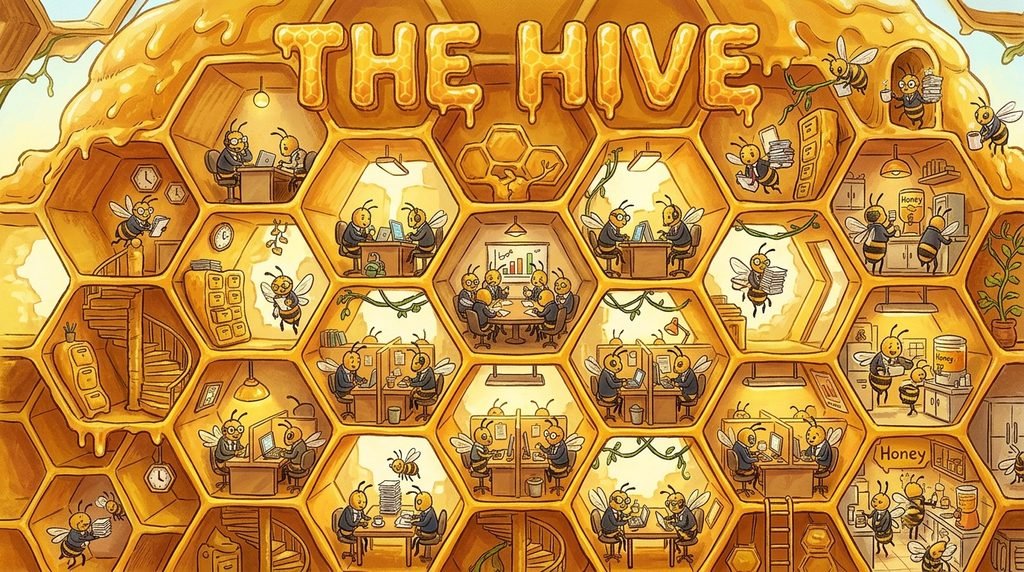
The following 65 metaphors cover common ways to describe jobs, careers, workplaces, effort, growth, pressure, teamwork, and professional life. The best metaphor depends on what you want the reader to feel.
1. A Job Is a Marathon
Meaning: A job can require patience, steady effort, and endurance.
Real explanation: A marathon is not won by rushing through the first mile. Some jobs are the same. Success often comes from staying consistent over a long period.
Sample sentence: “Building a successful career is a marathon, not a sprint.”
When to use it: Use it for long-term goals, demanding careers, or steady progress.
When NOT to use it: Avoid it when describing a very short project or a job that depends mainly on speed.
Alternatives: Long journey; endurance test; long race.
Difficulty level: Easy
Tone: Neutral
2. A Job Is a Ladder
Meaning: A job can provide steps toward higher goals or positions.
Real explanation: A ladder represents movement from one level to another. It works especially well when discussing promotions, skills, and career growth.
Sample sentence: “Every new role became another rung on her career ladder.”
When to use it: Career advancement and promotion.
When NOT to use it: Avoid it when a career has no clear hierarchy.
Alternatives: Stepping stone; path upward; career staircase.
Difficulty level: Easy
Tone: Neutral
3. A Career Is a Journey
Meaning: A career can have different stages, turns, stops, and destinations.
Real explanation: People rarely follow a perfectly straight career path. They change jobs, learn skills, meet people, and sometimes change direction.
Sample sentence: “My career has been a journey filled with unexpected turns.”
When to use it: Career stories and personal essays.
When NOT to use it: Rarely inappropriate, but it can sound general if you need a more specific image.
Alternatives: Path; adventure; road.
Difficulty level: Easy
Tone: Neutral
4. A Job Is a Puzzle
Meaning: A job may involve solving many problems and putting different pieces together.
Real explanation: Some work requires workers to collect information, understand problems, and find the right solution.
Sample sentence: “Every new client gives our team a different puzzle to solve.”
When to use it: Technology, consulting, research, design, and problem-solving jobs.
When NOT to use it: Avoid it if the work is mainly repetitive.
Alternatives: Challenge; mystery; problem to solve.
Difficulty level: Easy
Tone: Informal/Neutral
5. A Job Is a Bridge
Meaning: A job can connect people, ideas, departments, or communities.
Real explanation: A bridge joins two places. Some professionals perform the same role by helping different groups understand one another.
Sample sentence: “Her role is a bridge between the engineers and the customers.”
When to use it: Communication, management, translation, counseling, and teamwork.
When NOT to use it: Avoid it if connection is not central to the job.
Alternatives: Link; connector; pathway.
Difficulty level: Easy
Tone: Professional
6. A Career Is a Toolbox
Meaning: A career can be a collection of skills and experiences.
Real explanation: A toolbox contains tools for different jobs. In the same way, workers collect knowledge, skills, relationships, and experience.
Sample sentence: “Every job added another useful tool to his career toolbox.”
When to use it: Skill development and career planning.
When NOT to use it: Avoid it when discussing careers mainly in emotional or personal terms.
Alternatives: Skill set; toolkit; collection of skills.
Difficulty level: Easy
Tone: Neutral
7. A Career Is a Race
Meaning: A career can involve competition and the desire to reach a goal first.
Real explanation: The race metaphor focuses on competition, speed, and achievement.
Sample sentence: “The corporate world sometimes feels like a race to the top.”
When to use it: Competitive industries and ambitious goals.
When NOT to use it: Avoid it if you want to emphasize teamwork rather than competition.
Alternatives: Competition; contest; sprint.
Difficulty level: Easy
Tone: Neutral
8. A Job Is a Roller Coaster
Meaning: A job can have dramatic highs and lows.
Real explanation: A roller coaster rises, falls, turns, and changes speed. This metaphor works well for unpredictable work.
Sample sentence: “Running a small business can be an emotional roller coaster.”
When to use it: Entrepreneurship, sales, entertainment, startups, and stressful jobs.
When NOT to use it: Avoid it in serious formal reports when you need precise language.
Alternatives: Emotional ride; ups and downs; wild ride.
Difficulty level: Easy
Tone: Informal
9. A Teacher’s Job Is Planting Seeds
Meaning: Teachers help ideas and skills grow in students.
Real explanation: A seed does not become a tree overnight. Learning also takes time. Teachers provide knowledge and support while students develop.
Sample sentence: “A great teacher is planting seeds that may grow for years.”
When to use it: Education, mentoring, and teaching.
When NOT to use it: Avoid it when discussing a role that has little connection to growth or learning.
Alternatives: Growing minds; nurturing growth; cultivating knowledge.
Difficulty level: Easy
Tone: Warm/Inspirational
10. A Manager Is a Compass
Meaning: A manager can help a team choose a direction.
Real explanation: A compass helps people know where they are going. A good manager can give a team clear goals and guidance.
Sample sentence: “A strong manager acts as a compass when the team loses direction.”
When to use it: Leadership and management writing.
When NOT to use it: Avoid suggesting that leaders should make every decision for their teams.
Alternatives: Guide; navigator; North Star.
Difficulty level: Medium
Tone: Professional
11. A Job Is a Machine
Meaning: A job or workplace can operate through connected systems and processes.
Real explanation: A machine depends on different parts working together. The metaphor can describe a well-organized operation.
Sample sentence: “The warehouse runs like a well-oiled machine.”
When to use it: Operations, logistics, manufacturing, and teamwork.
When NOT to use it: Avoid it when discussing highly personal or creative work.
Alternatives: System; engine; operation.
Difficulty level: Easy
Tone: Professional
12. A Job Is a Stage
Meaning: A job can be a place where people perform skills in front of others.
Real explanation: Actors use a stage to perform. Teachers, speakers, salespeople, entertainers, and leaders may also perform in front of an audience.
Sample sentence: “For a public speaker, every meeting is a stage.”
When to use it: Public-facing jobs.
When NOT to use it: Avoid it if performance is not part of the role.
Alternatives: Spotlight; platform; arena.
Difficulty level: Easy
Tone: Creative
13. A New Job Is a Classroom
Meaning: A new job provides opportunities to learn.
Real explanation: Work often teaches lessons that cannot be learned from books alone.
Sample sentence: “My first job was a classroom disguised as a workplace.”
When to use it: First jobs, internships, and career changes.
When NOT to use it: Avoid it if the role offers very little learning.
Alternatives: Training ground; learning experience; school.
Difficulty level: Easy
Tone: Inspirational
14. A Difficult Job Is a Battlefield
Meaning: A job can feel full of conflict, pressure, or competition.
Real explanation: This is a strong metaphor. It presents work as a place where people face serious challenges.
Sample sentence: “The sales floor can feel like a battlefield during the holiday season.”
When to use it: Highly competitive or stressful environments.
When NOT to use it: Avoid it for normal workplace disagreements or sensitive subjects where the comparison may sound too aggressive.
Alternatives: Battleground; arena; war zone.
Difficulty level: Medium
Tone: Strong/Informal
15. A Career Is a Garden
Meaning: A career needs care, patience, and continued growth.
Real explanation: A garden grows when someone plants, waters, protects, and maintains it. Careers also need regular effort.
Sample sentence: “Your career is a garden; the skills you develop today shape what grows tomorrow.”
When to use it: Career development and mentoring.
When NOT to use it: Avoid it when you need to emphasize speed or competition.
Alternatives: Field; growing path; ecosystem.
Difficulty level: Easy
Tone: Inspirational
16. A Job Is a Ship
Meaning: A job or business can require direction, teamwork, and leadership.
Real explanation: A ship needs people with different responsibilities working toward the same destination.
Sample sentence: “The company is a ship, and everyone has a role in keeping it moving.”
When to use it: Leadership, teamwork, and business writing.
When NOT to use it: Avoid mixing it with several unrelated metaphors in the same paragraph.
Alternatives: Vessel; team journey; voyage.
Difficulty level: Medium
Tone: Inspirational
17. A Career Is a Road
Meaning: A career has a direction and may include different stops.
Real explanation: Roads can have turns, intersections, delays, and new destinations. Careers often work the same way.
Sample sentence: “There is no single road to a successful career.”
When to use it: Career advice.
When NOT to use it: Avoid it if you want to focus more on growth than direction.
Alternatives: Path; route; track.
Difficulty level: Easy
Tone: Neutral
18. A Job Is a Recipe
Meaning: A successful job may require several ingredients.
Real explanation: A recipe combines ingredients in the right way. Work can also require skills, effort, teamwork, time, and knowledge.
Sample sentence: “Good customer service is a recipe of patience, empathy, and clear communication.”
When to use it: Explaining how success is created.
When NOT to use it: Avoid suggesting that every situation has one fixed formula.
Alternatives: Formula; mix; combination.
Difficulty level: Easy
Tone: Friendly
19. A Job Is a Dance
Meaning: Work can require timing, cooperation, and flexibility.
Real explanation: Dancing with another person requires awareness and coordination. Teamwork can work in a similar way.
Sample sentence: “Good teamwork is a dance between listening and speaking.”
When to use it: Teamwork and communication.
When NOT to use it: Avoid it when you need to describe strict procedures.
Alternatives: Rhythm; coordination; partnership.
Difficulty level: Medium
Tone: Creative
20. A Career Is a Map
Meaning: A career can provide a plan or direction for professional growth.
Real explanation: A map shows possible routes. A career plan can help someone decide where to go next.
Sample sentence: “Education gave her a map for the career she wanted.”
When to use it: Career planning and education.
When NOT to use it: Avoid implying that careers always follow a predictable route.
Alternatives: Blueprint; guide; roadmap.
Difficulty level: Easy
Tone: Professional
21. A Job Is a Puzzle Box
Meaning: Some jobs contain many connected challenges.
Real explanation: A puzzle box requires patience and careful thinking before it opens.
Sample sentence: “Engineering can feel like a puzzle box full of hidden problems.”
When to use it: Complex technical work.
When NOT to use it: Avoid it for simple repetitive tasks.
Alternatives: Complex puzzle; challenge; brain teaser.
Difficulty level: Medium
Tone: Creative
22. A Career Is a Staircase
Meaning: Professional growth can happen step by step.
Real explanation: Each step can represent a new skill, role, responsibility, or achievement.
Sample sentence: “Each project became another step on her professional staircase.”
When to use it: Gradual career advancement.
When NOT to use it: Avoid it when career movement is not linear.
Alternatives: Ladder; steps; progression.
Difficulty level: Easy
Tone: Neutral
23. A Job Is an Engine
Meaning: Work can drive a business, family, or personal goal forward.
Real explanation: An engine creates movement. A productive worker, department, or job can also create progress.
Sample sentence: “Innovation is the engine behind the company’s growth.”
When to use it: Business and productivity.
When NOT to use it: Avoid describing people as machines if it may sound cold.
Alternatives: Driver; force; power source.
Difficulty level: Easy
Tone: Professional
24. A Career Is a Book
Meaning: A career contains different chapters and experiences.
Real explanation: A new job can feel like starting a new chapter in life.
Sample sentence: “Leaving my first company opened a new chapter in my career.”
When to use it: Career transitions.
When NOT to use it: Avoid overusing the chapter metaphor in formal reports.
Alternatives: Chapter; story; narrative.
Difficulty level: Easy
Tone: Warm
25. A Job Is a Door
Meaning: A job can create access to new opportunities.
Real explanation: One job can introduce someone to skills, people, industries, or future roles.
Sample sentence: “That internship was the door to a career in publishing.”
When to use it: Opportunities and career beginnings.
When NOT to use it: Avoid suggesting that one job guarantees future success.
Alternatives: Gateway; opening; opportunity.
Difficulty level: Easy
Tone: Neutral
26. A Career Is a Tree
Meaning: A career can grow from strong roots and develop many branches.
Real explanation: Skills and education can act as roots, while different career options become branches.
Sample sentence: “Her career tree has branches in teaching, writing, and leadership.”
When to use it: Long-term career growth.
When NOT to use it: Avoid it when you need a very short, direct explanation.
Alternatives: Career path; network; branching path.
Difficulty level: Medium
Tone: Creative
27. A Job Is a Mirror
Meaning: Work can reveal a person’s strengths, weaknesses, interests, or values.
Real explanation: Some jobs teach people about themselves as much as they teach professional skills.
Sample sentence: “The job became a mirror that showed him what kind of leader he wanted to be.”
When to use it: Personal reflection.
When NOT to use it: Avoid it when discussing purely technical job duties.
Alternatives: Reflection; window into yourself; test.
Difficulty level: Medium
Tone: Reflective
28. A Career Is a River
Meaning: A career can change direction while continuing to move forward.
Real explanation: Rivers bend, slow down, speed up, and change course. Careers can do the same.
Sample sentence: “Her career has flowed from journalism into communications.”
When to use it: Nonlinear career paths.
When NOT to use it: Avoid it when discussing a highly structured career ladder.
Alternatives: Flow; stream; course.
Difficulty level: Medium
Tone: Creative
29. A Job Is a Balancing Act
Meaning: A job may require managing several demands at once.
Real explanation: A balancing act involves keeping different things under control. Many workers balance deadlines, customers, family needs, quality, and time.
Sample sentence: “Running a small business is a daily balancing act.”
When to use it: Busy jobs and management.
When NOT to use it: Avoid it if the job has only one major responsibility.
Alternatives: Tightrope walk; juggling act; balancing game.
Difficulty level: Easy
Tone: Neutral
30. A Job Is a Jigsaw
Meaning: Different tasks or people may fit together to complete one goal.
Real explanation: A jigsaw puzzle only makes sense when its pieces connect.
Sample sentence: “Every department is a piece of the company jigsaw.”
When to use it: Teamwork and organizations.
When NOT to use it: Avoid it when the focus is individual achievement.
Alternatives: Puzzle; collection of pieces; system.
Difficulty level: Easy
Tone: Neutral
31. A Career Is a Compass
Meaning: A career can help give a person purpose and direction.
Real explanation: A compass does not walk for you. It simply helps you choose a direction. Career goals can work the same way.
Sample sentence: “Her values became a compass for every career decision.”
When to use it: Values, goals, and career choices.
When NOT to use it: Avoid it when discussing a single short-term job.
Alternatives: Guide; direction; North Star.
Difficulty level: Medium
Tone: Inspirational
32. A Job Is a Workshop
Meaning: Work can be a place where skills are practiced and improved.
Real explanation: A workshop is where people build, repair, and learn. A job can offer similar hands-on growth.
Sample sentence: “The newsroom was a workshop for young writers.”
When to use it: Apprenticeships, creative work, and learning.
When NOT to use it: Avoid it for roles with little skill development.
Alternatives: Training ground; studio; laboratory.
Difficulty level: Easy
Tone: Neutral
33. A Career Is a Flight
Meaning: A career can involve takeoffs, turbulence, changes in direction, and new destinations.
Real explanation: This metaphor is useful when describing both excitement and uncertainty.
Sample sentence: “Her career has had plenty of turbulence, but she kept moving forward.”
When to use it: Career changes and ambitious goals.
When NOT to use it: Avoid it if aviation language may distract from your main idea.
Alternatives: Journey; voyage; trip.
Difficulty level: Medium
Tone: Creative
34. A Job Is a Wheel
Meaning: Work can keep a larger system moving.
Real explanation: A wheel is part of a larger mechanism. Some employees perform essential tasks that keep a business running.
Sample sentence: “Every employee is a wheel in the larger system.”
When to use it: Organizations and teamwork.
When NOT to use it: Be careful: calling someone “just a wheel” can make them sound replaceable.
Alternatives: Part; component; cog.
Difficulty level: Easy
Tone: Neutral
35. A Job Is a Candle
Meaning: Work can provide light, hope, guidance, or service.
Real explanation: A candle is often connected with light in darkness. The metaphor fits jobs that help others.
Sample sentence: “A good counselor can be a candle during someone’s darkest hour.”
When to use it: Caring professions and inspirational writing.
When NOT to use it: Avoid it in highly technical business writing.
Alternatives: Light; beacon; source of hope.
Difficulty level: Medium
Tone: Inspirational
36. A Career Is a Mountain
Meaning: Career success can require effort, patience, and determination.
Real explanation: A mountain represents a difficult goal. Reaching the top suggests achievement.
Sample sentence: “Building a company from scratch was a mountain she was ready to climb.”
When to use it: Big goals and difficult careers.
When NOT to use it: Avoid suggesting that success always means reaching the highest position.
Alternatives: Climb; summit; challenge.
Difficulty level: Easy
Tone: Inspirational
37. A Job Is a Lighthouse
Meaning: A profession can guide or protect other people.
Real explanation: A lighthouse helps ships navigate dangerous waters. Some jobs give people direction or safety.
Sample sentence: “The counselor became a lighthouse for students who felt lost.”
When to use it: Teachers, counselors, mentors, leaders, and helpers.
When NOT to use it: Avoid it for ordinary jobs where guidance is not central.
Alternatives: Beacon; guide; light.
Difficulty level: Medium
Tone: Inspirational
38. A Career Is a Blank Canvas
Meaning: A career gives a person room to create something unique.
Real explanation: A blank canvas has possibilities. This metaphor emphasizes choice and creativity.
Sample sentence: “After graduation, she saw her career as a blank canvas.”
When to use it: Career beginnings and creative professions.
When NOT to use it: Avoid it when strict rules limit career choices.
Alternatives: Open door; fresh page; new beginning.
Difficulty level: Easy
Tone: Inspirational
39. A Job Is a Chess Game
Meaning: Work can involve strategy, planning, and careful decisions.
Real explanation: Chess players think about consequences before making moves. Some jobs require the same kind of strategic thinking.
Sample sentence: “Negotiating a major contract can feel like a chess game.”
When to use it: Business, management, negotiation, and strategy.
When NOT to use it: Avoid it if teamwork and cooperation are more important than competition.
Alternatives: Strategy game; tactical challenge; game of strategy.
Difficulty level: Medium
Tone: Professional
40. A Career Is a Garden Path
Meaning: A career can grow through patience and care.
Real explanation: The path suggests direction, while the garden suggests growth.
Sample sentence: “Her career became a garden path shaped by patience and learning.”
When to use it: Reflective or creative writing.
When NOT to use it: Avoid it in short professional messages where simplicity matters.
Alternatives: Growing path; career journey; professional road.
Difficulty level: Medium
Tone: Creative
41. A Job Is a Furnace
Meaning: A difficult job can test and strengthen a person.
Real explanation: A furnace uses intense heat. In a metaphor, pressure and difficulty can shape someone’s skills or character.
Sample sentence: “The emergency room was a furnace that tested every ounce of her patience.”
When to use it: Intense training or high-pressure work.
When NOT to use it: Avoid it when describing normal working conditions.
Alternatives: Pressure cooker; test; crucible.
Difficulty level: Medium
Tone: Strong
42. A Job Is a Pressure Cooker
Meaning: A job can create intense stress when many demands build at once.
Real explanation: This is one of the clearest metaphors for stressful workplaces.
Sample sentence: “The deadline turned the office into a pressure cooker.”
When to use it: Deadlines, emergencies, and stressful projects.
When NOT to use it: Avoid it for positive descriptions of work.
Alternatives: Pressure chamber; stressful environment; high-pressure situation.
Difficulty level: Easy
Tone: Informal
43. A Career Is a Seedling
Meaning: A young career needs time, care, and support to grow.
Real explanation: A seedling is small but has future potential.
Sample sentence: “Her writing career was still a seedling, but the signs of growth were clear.”
When to use it: Early careers.
When NOT to use it: Avoid it for established professionals.
Alternatives: Beginning; young career; growing path.
Difficulty level: Medium
Tone: Warm
44. A Job Is a Key
Meaning: A job can unlock new opportunities.
Real explanation: A key opens a door. A job can give someone access to experience, contacts, skills, or a new industry.
Sample sentence: “That first internship was the key to his future career.”
When to use it: Opportunities and career entry.
When NOT to use it: Avoid implying one job is the only route to success.
Alternatives: Gateway; ticket; opening.
Difficulty level: Easy
Tone: Positive
45. A Career Is a Puzzle With Missing Pieces
Meaning: A career can involve uncertainty and incomplete information.
Real explanation: People often do not know exactly where their careers will lead.
Sample sentence: “At twenty, my career felt like a puzzle with several missing pieces.”
When to use it: Uncertain career choices.
When NOT to use it: Avoid it when the career plan is already clear.
Alternatives: Unfinished puzzle; mystery; unfinished story.
Difficulty level: Medium
Tone: Reflective
46. A Job Is a Safety Net
Meaning: A job can provide financial or personal stability.
Real explanation: A safety net catches someone when they fall. Employment can sometimes offer security during uncertain times.
Sample sentence: “The steady job became a safety net while he planned his next move.”
When to use it: Financial stability and career transitions.
When NOT to use it: Avoid implying that every job guarantees security.
Alternatives: Security blanket; support; stable base.
Difficulty level: Easy
Tone: Neutral
47. A Career Is an Investment
Meaning: Time, education, and effort put into a career may produce future benefits.
Real explanation: Investments require resources now with the hope of future returns.
Sample sentence: “Learning new skills is an investment in your career.”
When to use it: Education, training, and professional development.
When NOT to use it: Avoid reducing a person’s entire career to money or financial returns.
Alternatives: Long-term commitment; asset; professional investment.
Difficulty level: Easy
Tone: Professional
48. A Job Is a Laboratory
Meaning: Work can be a place to test ideas and learn from results.
Real explanation: Scientists use laboratories to experiment. Some creative and business roles also involve testing new approaches.
Sample sentence: “The startup became a laboratory for new ideas.”
When to use it: Innovation, research, startups, and creative work.
When NOT to use it: Avoid it for highly routine roles.
Alternatives: Testing ground; experiment; workshop.
Difficulty level: Easy
Tone: Professional
49. A Career Is a Story
Meaning: A career is made from many experiences and decisions.
Real explanation: Each job, success, mistake, and change can become part of a person’s professional story.
Sample sentence: “Every job added another page to his career story.”
When to use it: Personal statements and speeches.
When NOT to use it: Avoid it if you need a strictly factual style.
Alternatives: Narrative; journey; chapter.
Difficulty level: Easy
Tone: Warm
50. A Job Is a Puzzle Piece
Meaning: One person’s work can contribute to a larger goal.
Real explanation: A puzzle piece may seem small alone but becomes meaningful as part of the whole.
Sample sentence: “Her research was one important puzzle piece in the larger project.”
When to use it: Teamwork and collaboration.
When NOT to use it: Avoid it if the comparison could make a person’s contribution seem insignificant.
Alternatives: Building block; part; component.
Difficulty level: Easy
Tone: Neutral
51. A Job Is a Compass Point
Meaning: A job can help someone discover a direction for the future.
Real explanation: Not every job becomes a lifelong career. Some simply show people what they want or do not want.
Sample sentence: “That summer job became a compass point in his career.”
When to use it: Early career exploration.
When NOT to use it: Avoid it if the job itself is the final destination.
Alternatives: Signpost; guidepost; direction.
Difficulty level: Medium
Tone: Reflective
52. A Workplace Is an Ecosystem
Meaning: A workplace contains connected people, roles, systems, and relationships.
Real explanation: An ecosystem works because many parts interact. Companies also depend on connections among employees, customers, leaders, and processes.
Sample sentence: “A healthy workplace is an ecosystem where different teams support one another.”
When to use it: Business strategy and organizational culture.
When NOT to use it: Avoid it when explaining one person’s individual role.
Alternatives: Network; system; community.
Difficulty level: Medium
Tone: Professional
53. A Team Is an Orchestra
Meaning: A successful team depends on different people doing different jobs in harmony.
Real explanation: An orchestra has many instruments. Each one has a different role, but the group creates one piece of music.
Sample sentence: “Our design team is an orchestra of different talents.”
When to use it: Teamwork and leadership.
When NOT to use it: Avoid it when roles do not need coordination.
Alternatives: Ensemble; band; coordinated team.
Difficulty level: Easy
Tone: Professional/Creative
54. A Leader Is a Captain
Meaning: A leader guides a group toward a shared destination.
Real explanation: A captain is responsible for direction and decisions. The metaphor is common in business and sports.
Sample sentence: “A good leader is a captain who knows when to steer and when to listen.”
When to use it: Leadership writing.
When NOT to use it: Avoid making leadership sound like complete control.
Alternatives: Guide; navigator; team leader.
Difficulty level: Easy
Tone: Neutral
55. A Job Is a Workout
Meaning: A job can strengthen skills through repeated effort and practice.
Real explanation: Just as exercise builds physical ability, challenging work can build professional ability.
Sample sentence: “Every difficult client was a workout for her communication skills.”
When to use it: Skill development.
When NOT to use it: Avoid it for burnout or extreme workloads.
Alternatives: Practice; training; exercise.
Difficulty level: Easy
Tone: Informal
56. A Career Is a Trail
Meaning: A career can involve exploration, challenges, and discoveries.
Real explanation: A trail may have easy sections, steep climbs, and unexpected turns.
Sample sentence: “His career trail took him from a small local newspaper to a national magazine.”
When to use it: Nontraditional career paths.
When NOT to use it: Avoid it when you want a polished corporate tone.
Alternatives: Path; route; journey.
Difficulty level: Easy
Tone: Creative
57. A Job Is a Ticket
Meaning: A job can provide access to an opportunity or experience.
Real explanation: A ticket gives someone entry to a place or event. A job can sometimes open the door to a new industry.
Sample sentence: “The internship was her ticket into the film industry.”
When to use it: Career opportunities.
When NOT to use it: Avoid implying that a job automatically guarantees success.
Alternatives: Entry point; gateway; pass.
Difficulty level: Easy
Tone: Informal
58. A Career Is a Compass and a Map
Meaning: A strong career plan needs both direction and practical steps.
Real explanation: A compass helps you choose a direction, while a map helps you understand possible routes.
Sample sentence: “Her values were the compass, and her education was the map.”
When to use it: Career advice and personal development.
When NOT to use it: Avoid it if you want a short, simple metaphor.
Alternatives: Guide and roadmap; direction and plan.
Difficulty level: Medium
Tone: Inspirational
59. A Job Is a Doorway
Meaning: A job can lead to another stage of professional life.
Real explanation: A doorway represents entry into a new place or opportunity.
Sample sentence: “My first writing job was a doorway into publishing.”
When to use it: Career beginnings and transitions.
When NOT to use it: Avoid it when the job is being described as a final destination.
Alternatives: Gateway; entrance; opening.
Difficulty level: Easy
Tone: Neutral
60. A Career Is a Climb
Meaning: Career advancement may require effort and persistence.
Real explanation: Climbing takes energy and patience. The metaphor focuses on progress toward a difficult goal.
Sample sentence: “The climb to senior leadership took years of learning.”
When to use it: Ambition and professional advancement.
When NOT to use it: Avoid it when discussing careers where success is not hierarchical.
Alternatives: Ascent; climb; upward path.
Difficulty level: Easy
Tone: Inspirational
61. A Job Is a Garden
Meaning: Work can require regular care to produce good results.
Real explanation: A garden needs attention over time. A career, team, or business may also need patience, maintenance, and care.
Sample sentence: “A healthy team is a garden that needs regular care.”
When to use it: Team culture, leadership, and growth.
When NOT to use it: Avoid it when describing fast-paced competitive work.
Alternatives: Growing space; field; ecosystem.
Difficulty level: Easy
Tone: Warm
62. A Job Is a Lighthouse in a Storm
Meaning: A profession can provide stability and guidance during difficult times.
Real explanation: The storm represents trouble, while the lighthouse represents help and direction.
Sample sentence: “During the crisis, the customer support team became a lighthouse in the storm.”
When to use it: Helping professions and crisis work.
When NOT to use it: Avoid it for ordinary work situations.
Alternatives: Beacon; anchor; guiding light.
Difficulty level: Medium
Tone: Inspirational
63. A Job Is an Anchor
Meaning: A job can provide stability and security.
Real explanation: An anchor keeps a ship from drifting. Employment can sometimes give a person structure or stability.
Sample sentence: “Her steady job became an anchor during a period of change.”
When to use it: Stability and routine.
When NOT to use it: Avoid it if the job feels limiting rather than supportive.
Alternatives: Foundation; support; stable base.
Difficulty level: Easy
Tone: Neutral
64. A Career Is a Blank Road
Meaning: A career can begin with many possible directions.
Real explanation: An open road suggests freedom and choice. It is useful when someone is starting over.
Sample sentence: “After college, the blank road ahead felt both exciting and frightening.”
When to use it: Graduation, career changes, and new beginnings.
When NOT to use it: Avoid it when the career path is already fixed.
Alternatives: Open path; new road; fresh start.
Difficulty level: Easy
Tone: Inspirational
65. A Career Is a Mosaic
Meaning: A career can be made from many different experiences that eventually form one picture.
Real explanation: A mosaic is built from small pieces. Jobs, skills, failures, mentors, and opportunities can all become pieces of a larger professional identity.
Sample sentence: “Her career was a mosaic of teaching, writing, research, and leadership.”
When to use it: Diverse careers and personal stories.
When NOT to use it: Avoid it if you need a very simple metaphor for young readers.
Alternatives: Patchwork; collection; tapestry.
Difficulty level: Medium
Tone: Creative
Real-Life Conversations
The best metaphors sound natural when they fit the situation. Here are realistic examples of how people might actually use them.
Conversation 1: Friends Talking About Work
Alex: How’s the new job going?
Maya: Honestly, it’s a roller coaster.
Alex: That bad?
Maya: Not bad. Just unpredictable. One day everything is calm, and the next day we have ten problems at once.
Alex: Sounds exhausting.
Maya: It is. But I’m learning a lot. I guess the job is also a classroom.
Alex: That’s a good way to look at it.
Conversation 2: Student and Teacher
Student: I don’t know what career I want.
Teacher: That’s okay. You don’t need the whole answer today.
Student: But everyone else seems to know.
Teacher: Careers are more like journeys than straight roads. You can change direction.
Student: So I can try different things?
Teacher: Exactly. Think of each experience as another piece of the puzzle.
Conversation 3: Office Team
Manager: We have a big deadline next Friday.
Daniel: We’re going to need everyone.
Manager: Agreed. Think of the team as an orchestra. Everyone has a different part, but we need to stay in rhythm.
Sara: I like that. I’ll coordinate with the design team.
Daniel: And I’ll handle the client calls.
Manager: Perfect. Let’s keep each other informed.
Conversation 4: Career Advice
I’m thinking about leaving my job.
Do you know what you want to do next?
Not really.
Then don’t think of it as starting from zero. Your career is a toolbox. You already have skills you can take with you.
Friend 1: That’s actually helpful.
Friend 2: You may just need to find the next door to open.
Conversation 5: Social Media
Sam: I saw your post about your new job.
Jordan: Yes! I’m excited.
Sam: Nervous?
Jordan: A little. But I’m treating it as a new chapter.
Sam: That’s a good mindset.
Jordan: I spent years building skills, so now I want to see where they take me.
Everyday Usage
Job metaphors appear in many kinds of communication. The key is choosing an image that matches the audience and situation.
Conversation
In everyday conversation, short and familiar metaphors work best.
Examples:
- “This job is a marathon.”
- “I’m climbing the career ladder.”
- “The new role opened a lot of doors.”
- “Work has been a roller coaster lately.”
- “We’re all pieces of the same puzzle.”
These sound natural because people already understand the images.
Writing
Creative writing allows more unusual metaphors.
“Her career was a river, bending around obstacles but never stopping.”
This works better in an essay, story, or personal reflection than in a business email.
Books
Writers often use career metaphors to show character development.
A character might see work as:
- A prison
- A battlefield
- A journey
- A game
- A ladder
- A second home
- A burden
- A calling
The metaphor can reveal how the character feels about work.
Movies
Movies often communicate work through visual metaphors.
A character climbing stairs may represent career advancement. A character trapped in a small office may suggest that the job feels limiting.
Poetry
Poetry gives you more freedom to use emotional metaphors.
For example:
“I carry my career like a river in my hands.”
Poetry does not need the same directness as professional writing.
Emails
Use simple metaphors in professional emails.
Good:
“We are entering the final stretch of the project.”
Less suitable:
“The project is a dragon breathing fire across our office.”
The second sentence may be creative, but it is too dramatic for most workplace emails.
Text Messages
Texting allows casual metaphors.
“This week has been a marathon 😂”
“My inbox is a battlefield today.”
“I need a vacation after this project.”
Social media captions can use emotional or inspirational metaphors.
“Building my career one brick at a time.”
“New job, new chapter.”
“Still climbing, still learning.”
Facebook posts can be more personal.
“My career hasn’t been a straight road, but every turn taught me something.”
X
Short metaphors work especially well on X because space and attention are limited.
“A career isn’t always a ladder. Sometimes it’s a maze.”
Professional metaphors can make posts memorable when used carefully.
“A strong career is built one skill at a time.”
“Great teams are orchestras, not collections of soloists.”
“Leadership is less about holding the map and more about helping people find the direction.”
School Assignments
For school writing, choose a metaphor that clearly supports your main idea.
For example:
“I see education as the foundation of my career because every new skill gives me something stronger to build on.”
This is clearer than using several unrelated metaphors.
How to Choose the Best Metaphor for a Job
The best metaphor depends on the idea you want to communicate.
hard work, use:
- Marathon
- Mountain
- Climb
- Workout
career growth, use:
- Ladder
- Staircase
- Tree
- Garden
- Journey
uncertainty, use:
- River
- Maze
- Roller coaster
- Missing puzzle pieces
teamwork, use:
- Orchestra
- Puzzle
- Dance
- Ship
- Ecosystem
how leadership, use:
- Compass
- Captain
- Lighthouse
- Map
opportunity, use:
- Door
- Doorway
- Key
- Ticket
- Bridge
stress, use:
- Pressure cooker
- Battlefield
- Roller coaster
- Furnace
learning, use:
- Classroom
- Workshop
- Laboratory
- Toolbox
What Is a Good Metaphor for a Job?
A good metaphor for a job is one that clearly expresses the feeling or purpose of the work. For example, “a job is a marathon” works well for demanding work that requires endurance, while “a job is a bridge” works better when the role connects people or ideas.
The strongest metaphor is not always the most creative one. It is the one that makes the reader understand your point quickly.
What Is a Metaphor for a Hard Job?
A marathon, mountain, battlefield, pressure cooker, and furnace can all describe a hard job. Each gives a different meaning. A marathon suggests long-term effort, a mountain suggests a difficult goal, a pressure cooker suggests stress, and a battlefield suggests conflict or competition.
What Is a Metaphor for a Career?
A career can be described as a journey, road, ladder, staircase, river, garden, tree, mountain, book, story, map, or mosaic. The best choice depends on the message. A journey suggests change, a ladder suggests advancement, and a mosaic suggests that many different experiences create one professional identity.
What Is a Metaphor for Work?
Work can be described as a marathon, puzzle, machine, dance, classroom, workshop, engine, stage, garden, or balancing act. These metaphors help explain different parts of working life, such as effort, teamwork, learning, productivity, performance, and responsibility.
What Is a Metaphor for a Successful Career?
A successful career can be described as a mountain climb, growing tree, garden, journey, staircase, or long-distance race. These images suggest that professional success usually develops over time through effort, learning, patience, and good decisions rather than appearing all at once.
Common Mistakes When Using Job Metaphors
A metaphor should make your meaning clearer, not harder to understand.
1. Mixing too many metaphors
Avoid writing:
“My career is a ladder, a river, a rocket, and a battlefield.”
The reader may not know which image to follow.
Choose one strong metaphor and develop it.
2. Using an overly dramatic metaphor
Calling a normal office meeting a “battlefield” may sound exaggerated.
Match the strength of the metaphor to the situation.
3. Forgetting the audience
A poetic metaphor may work in a personal essay but sound strange in a formal business report.
Always consider who will read your words.
4. Using a metaphor that sends the wrong message
Calling employees “cogs in a machine” may suggest that workers are replaceable.
The image may be technically understandable but emotionally negative.
5. Explaining the metaphor too much
If the metaphor is clear, let it work.
Instead of explaining every part of “career is a journey,” use the image naturally and move on.
How to Make a Job Metaphor Sound Natural
A natural metaphor usually has three parts:
1. Name the comparison.
“My career is a journey.”
2. Explain the connection.
“I’ve changed direction several times.”
3. Show why it matters.
“Each change taught me something useful.”
This gives the metaphor a purpose instead of using it only as decoration.
Best Metaphors for Different Jobs
| Job or profession | Strong metaphor | Why it works |
|---|---|---|
| Teacher | Planting seeds | Encourages growth |
| Nurse | Lighthouse | Provides care and guidance |
| Doctor | Puzzle solver | Finds answers to complex problems |
| Lawyer | Chess player | Uses strategy |
| Engineer | Puzzle builder | Solves technical problems |
| Manager | Compass | Gives direction |
| Entrepreneur | Mountain climber | Faces risk and challenges |
| Writer | Painter | Creates pictures with words |
| Designer | Architect | Builds ideas into form |
| Counselor | Lighthouse | Guides people |
| Coach | Gardener | Helps people develop |
| Salesperson | Bridge | Connects customers and products |
| Journalist | Detective | Searches for answers |
| Programmer | Builder | Creates systems |
| Chef | Artist | Creates through skill and creativity |
| Accountant | Balancing scale | Manages accuracy and balance |
| Recruiter | Matchmaker | Connects people and jobs |
| Scientist | Explorer | Searches for knowledge |
| Photographer | Storyteller | Captures and communicates stories |
| Customer service worker | Front door | Represents the company |
| Project manager | Conductor | Coordinates many parts |
| Electrician | Problem solver | Finds and fixes technical issues |
| Plumber | Lifeline | Keeps essential systems working |
| Mechanic | Healer | Repairs damaged machines |
| Architect | Visionary | Turns ideas into structures |
Final Takeaway:
A metaphor for jobs gives work a picture, feeling, or deeper meaning.
Instead of saying only what a person does, it helps explain what the job feels like, why it matters, or how it affects the worker and others.
simple writing, a job is a marathon a career is a journey a job is a puzzle and a career is a ladder are safe and easy choices.
teamwork, try “an orchestra a puzzle a dance or an ecosystem.”
growth, choose “a garden a tree a staircase,” or “a journey.”
difficult work, “a mountain, a marathon, a pressure cooker,” or “a roller coaster” can be effective.
The most powerful metaphor is the one that fits your exact meaning. You do not need the fanciest comparison. You need the clearest one.
When used well, one simple metaphor can turn an ordinary sentence about work into something a reader remembers.
Discover more post:
| https://metaphorcraftz.com/metaphor-for-rude/ |
| https://metaphorcraftz.com/metaphor-for-rocks/ |
| https://metaphorcraftz.com/metaphor-for-red-cheeks/ |

Vivienne is a passionate English language writer, literary enthusiast, and content creator with over 5 years of experience in writing about metaphors, figurative language, literary devices, and the deeper meanings behind everyday expressions.
Related Post

Metaphor for Feeling Stuck: Powerful Expressions With Meanings
Search intent: The main intent behind “metaphor for feeling stuck” is to find creative English…