
Metaphor for Purgatory: Powerful Examples and Meanings
MetaphorCraftz.com >> Uncategorized>> Metaphor for Purgatory: Powerful Examples and Meanings
Metaphor for Purgatory: Powerful Examples and Meanings
A metaphor for purgatory compares purgatory to something familiar, such as a waiting room, prison, crossroads, furnace, or endless hallway.
Instead of saying that purgatory is a place between punishment and peace, a metaphor gives the idea a stronger image that readers can picture.
People search for metaphors for purgatory because the idea can be hard to explain in plain words. Purgatory is often connected with waiting, suffering, cleansing, uncertainty, and the hope of reaching a better place.
Writers may need a fresh way to describe those feelings in a poem, story, essay, novel, or personal reflection.
You may also see these metaphors used when someone describes a difficult period in life as “purgatory.”
In that use, the word does not always refer to a religious belief. It can describe a painful state where a person feels stuck between two stages.
This guide, updated for 2026, explains 60 metaphors for purgatory in simple English.
You will learn what each metaphor means, how it works, when to use it, when to avoid it, and what other expressions can replace it.
Definition & Meaning

A metaphor for purgatory is a figurative comparison that presents purgatory as another place, object, experience, or condition. Common images include a prison, waiting room, furnace, bridge, maze, or long night. The comparison helps readers understand ideas such as purification, delay, suffering, uncertainty, and hope.
Simple definition
A metaphor for purgatory describes purgatory by saying it is something else, without using like or as.
For example:
“Purgatory is an endless waiting room.”
Purgatory is not literally a waiting room. The metaphor suggests that people are waiting for something beyond their present state.
Quick explanation
Purgatory can be difficult to picture as an abstract idea. Metaphors turn that idea into something concrete.
For example:
- A prison suggests confinement.
- A furnace suggests cleansing.
- A waiting room suggests delay.
- A crossroads suggests being between destinations.
- An endless hallway suggests uncertainty.
- A bridge suggests movement from one state to another.
Summary table
| Idea | Possible metaphor |
|---|---|
| Waiting | An endless waiting room |
| Suffering | A valley of pain |
| Cleansing | A burning furnace |
| Confinement | A locked prison |
| Uncertainty | A foggy road |
| Transition | A bridge |
| Hope | A distant doorway |
| Confusion | A maze |
| Delay | A frozen clock |
| Loneliness | An empty station |
Why We Use a Metaphor for Purgatory
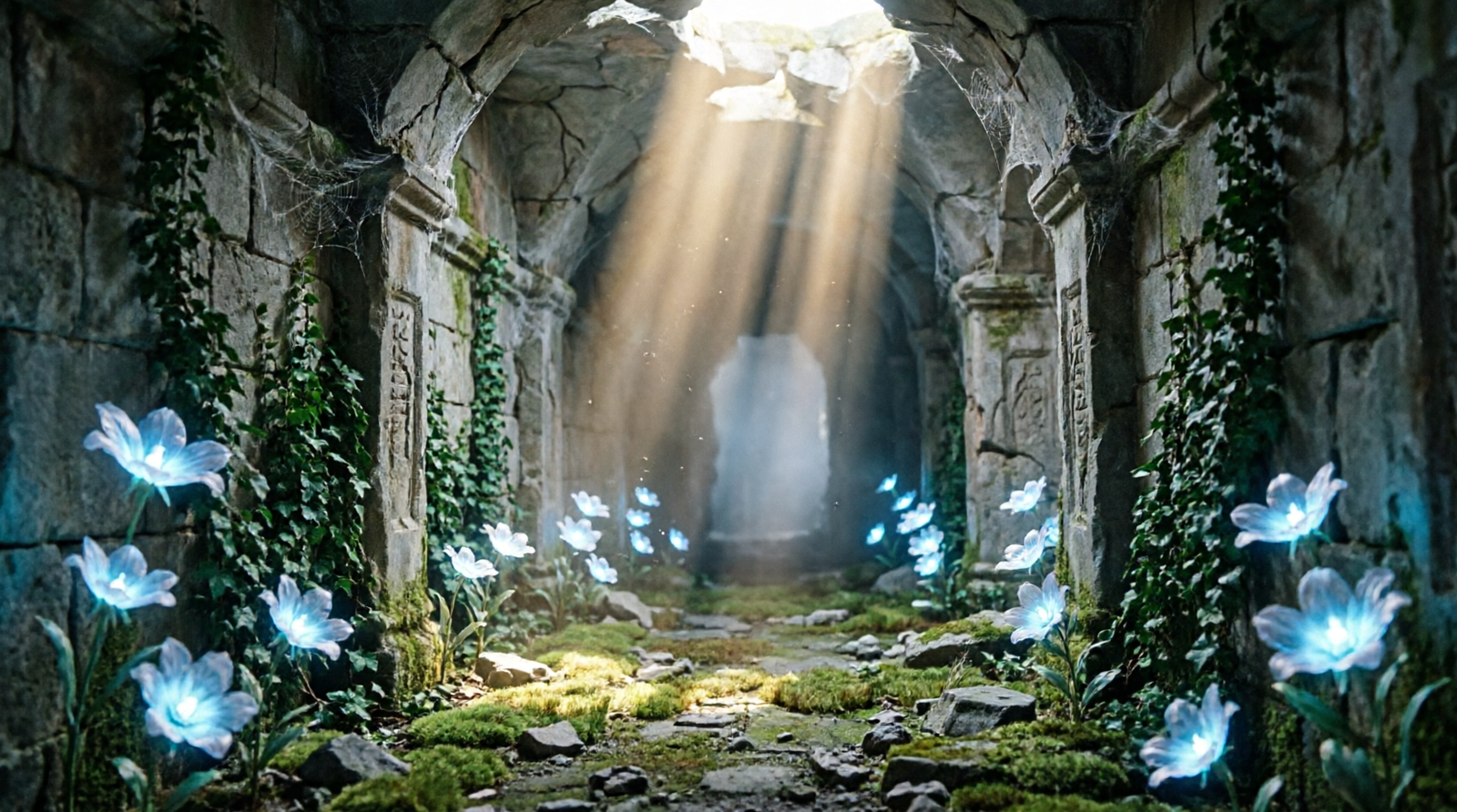
We use metaphors for purgatory because the concept involves ideas that are difficult to see or explain directly. A strong metaphor gives those ideas a clear image. Writers can use one to show waiting, pain, change, uncertainty, spiritual cleansing, or hope without repeating the word “purgatory.”
Practical purpose
A metaphor can make an abstract idea feel real.
Compare:
“He felt trapped in purgatory.”
with:
“He felt trapped in an endless hallway with no door.”
The second sentence creates a picture.
Everyday usage
People sometimes use purgatory outside a religious setting to describe an unpleasant period of waiting.
For example:
“Waiting for the decision felt like purgatory.”
A metaphor can make that feeling more vivid.
Writing
Metaphors work especially well in:
- Fiction
- Poetry
- Personal essays
- Speeches
- Creative nonfiction
- Songwriting
- Character descriptions
Speaking
In everyday speech, a simple metaphor is often best:
“The whole week felt like an endless waiting room.”
School
Students can use metaphors when analyzing themes such as:
- Hope
- Death
- Guilt
- Change
- Suffering
- Redemption
- Waiting
Social media
Short metaphors can make posts more memorable:
“This job search is an endless hallway.”
Professional communication
Use care here. A metaphor such as purgatory may sound dramatic in a workplace email. A neutral phrase like “a prolonged period of uncertainty” is often better.
Main Section: 60 Metaphors for Purgatory
Below are 60 useful metaphors. Some are religious in tone, while others describe the emotional idea of being stuck between suffering and relief.
1. An Endless Waiting Room
Meaning: Purgatory is pictured as a place where people wait for what comes next.
Real explanation: This metaphor focuses on delay and uncertainty.
Sample sentence: “Purgatory felt like an endless waiting room with no clock.”
When to use it: Stories about waiting and uncertainty.
When NOT to use it: When you need a strong image of physical suffering.
Alternatives: Endless wait; room of waiting; place between moments.
Difficulty: Easy
Tone: Neutral
2. A Burning Furnace
Meaning: Purgatory is pictured as a furnace that cleanses through heat.
Real explanation: The image focuses on purification and suffering.
Sample sentence: “His soul passed through a burning furnace before finding peace.”
When to use it: Religious or dramatic writing.
When NOT to use it: Light or casual writing.
Alternatives: Cleansing fire; furnace of suffering; refining flame.
Difficulty: Medium
Tone: Formal
3. A Locked Prison
Meaning: Purgatory is presented as a place of confinement.
Real explanation: The metaphor emphasizes restriction and the inability to leave freely.
Sample sentence: “Purgatory was a locked prison between darkness and light.”
When to use it: Dark fiction or serious essays.
When NOT to use it: When freedom or hope is the main theme.
Alternatives: Spiritual prison; sealed cell; place of confinement.
Difficulty: Easy
Tone: Dark
4. A Bridge Between Worlds
Meaning: Purgatory is seen as a bridge connecting two states.
Real explanation: A bridge suggests movement from one place to another.
Sample sentence: “Purgatory was a bridge between death and eternal peace.”
When to use it: Writing about transition.
When NOT to use it: When you want to stress punishment alone.
Alternatives: Passage between worlds; spiritual bridge; crossing point.
Difficulty: Medium
Tone: Poetic
5. An Endless Hallway
Meaning: Purgatory becomes a hallway with no clear end.
Real explanation: It creates a feeling of being trapped while still moving forward.
Sample sentence: “She walked through an endless hallway, searching for a door.”
When to use it: Fiction and poetry.
When NOT to use it: Formal academic writing without explanation.
Alternatives: Endless corridor; long passage; hallway without an end.
Difficulty: Easy
Tone: Poetic
6. A Foggy Road
Meaning: Purgatory is a path where the destination cannot be seen.
Real explanation: Fog represents uncertainty.
Sample sentence: “Purgatory was a foggy road with no signposts.”
When to use it: Stories about doubt.
When NOT to use it: When clarity is the central idea.
Alternatives: Hidden path; uncertain road; mist-covered journey.
Difficulty: Easy
Tone: Poetic
7. A Maze Without an Exit
Meaning: Purgatory is a confusing place with no obvious way out.
Real explanation: A maze combines confusion, delay, and frustration.
Sample sentence: “His guilt turned purgatory into a maze without an exit.”
When to use it: Psychological writing.
When NOT to use it: When the journey is meant to feel simple.
Alternatives: Endless maze; tangled path; confusing passage.
Difficulty: Easy
Tone: Neutral
8. A Frozen Clock
Meaning: Time seems to stop.
Real explanation: This metaphor highlights endless waiting.
Sample sentence: “Purgatory was a frozen clock that refused to move.”
When to use it: Poetry and creative writing.
When NOT to use it: Literal descriptions.
Alternatives: Stopped time; frozen moment; motionless clock.
Difficulty: Medium
Tone: Poetic
9. A Distant Doorway
Meaning: Hope exists, but it remains far away.
Real explanation: The doorway represents escape or peace.
Sample sentence: “A distant doorway glimmered at the end of purgatory.”
When to use it: Hopeful writing.
When NOT to use it: Purely hopeless scenes.
Alternatives: Door to freedom; distant entrance; promised doorway.
Difficulty: Easy
Tone: Hopeful
10. A Desert Without Water
Meaning: Purgatory is a place of deprivation and longing.
Real explanation: A desert creates an image of hardship and unmet need.
Sample sentence: “Purgatory stretched before him like a desert without water.”
When to use it: Dramatic descriptions.
When NOT to use it: Short factual writing.
Alternatives: Empty desert; barren land; dry wilderness.
Difficulty: Easy
Tone: Dramatic
11. A Shadow Between Two Suns
Meaning: Purgatory exists between darkness and light.
Real explanation: The two suns can represent two different states of existence.
Sample sentence: “He lived as a shadow between two suns.”
When to use it: Poetry.
When NOT to use it: Basic school writing where clarity matters most.
Alternatives: Between darkness and light; middle shadow; space between worlds.
Difficulty: Advanced
Tone: Poetic
12. A Waiting Train
Meaning: Purgatory is a place where someone waits for departure.
Sample sentence: “His soul sat on a waiting train that never arrived.”
Alternatives: Delayed train; stopped journey; silent station.
Difficulty: Easy
Tone: Poetic
13. An Empty Station
Meaning: The person is waiting alone for the next stage.
Sample sentence: “Purgatory was an empty station beneath a silent sky.”
Alternatives: Lonely station; abandoned platform; silent terminal.
Difficulty: Easy
Tone: Poetic
14. A River Between Shores
Meaning: Purgatory separates one state from another.
Sample sentence: “She stood beside the river between two shores.”
Alternatives: Dividing river; river of transition; water between worlds.
Difficulty: Medium
Tone: Poetic
15. A Mountain of Guilt
Meaning: Purgatory represents the burden of wrongdoing.
Sample sentence: “Every step up the mountain carried another piece of guilt.”
Alternatives: Burden of guilt; wall of regret; weight of sin.
Difficulty: Easy
Tone: Serious
16. A Furnace of Regret
Meaning: Regret becomes a source of pain and cleansing.
Sample sentence: “He entered a furnace of regret.”
Alternatives: Fire of remorse; burning regret; heat of guilt.
Difficulty: Medium
Tone: Dramatic
17. A Cage Without Bars
Meaning: Someone feels trapped without visible restraints.
Sample sentence: “Purgatory was a cage without bars.”
Alternatives: Invisible prison; unseen cage; silent captivity.
Difficulty: Easy
Tone: Dark
18. A Long Winter
Meaning: Purgatory is a cold, difficult period before renewal.
Sample sentence: “Her soul endured a long winter before spring arrived.”
Alternatives: Endless winter; season of waiting; cold passage.
Difficulty: Easy
Tone: Hopeful
19. A Night Without Dawn
Meaning: Relief seems far away.
Sample sentence: “Purgatory was a night without dawn.”
Alternatives: Endless night; dark waiting; night without morning.
Difficulty: Easy
Tone: Dark
20. A Storm That Will Not Pass
Meaning: Suffering continues for a long time.
Sample sentence: “The place felt like a storm that would not pass.”
Alternatives: Endless storm; lasting tempest; unending rain.
Difficulty: Easy
Tone: Dramatic
21. A Broken Compass
Meaning: The person cannot find the right direction.
Sample sentence: “In purgatory, his compass was broken.”
Alternatives: Lost direction; failed guide; directionless journey.
Difficulty: Easy
Tone: Neutral
22. A Door With No Handle
Meaning: Escape seems visible but impossible.
Sample sentence: “The door stood before her, but it had no handle.”
Alternatives: Sealed door; unreachable exit; locked gateway.
Difficulty: Easy
Tone: Dark
23. A Candle in a Cave
Meaning: Hope exists inside darkness.
Sample sentence: “Hope was a candle burning inside the cave.”
Alternatives: Small light; hidden flame; light in darkness.
Difficulty: Easy
Tone: Hopeful
24. A Ship Lost at Sea
Meaning: The person has no clear destination.
Sample sentence: “His soul was a ship lost at sea.”
Alternatives: Lost vessel; drifting ship; wandering boat.
Difficulty: Easy
Tone: Poetic
25. A Shoreline That Moves
Meaning: The goal keeps seeming close but never arrives.
Sample sentence: “Peace was a shoreline that moved each time he approached.”
Alternatives: Moving goal; shifting destination; unreachable shore.
Difficulty: Medium
Tone: Poetic
26. A Room Between Floors
Meaning: Purgatory is a middle state.
Sample sentence: “He existed in a room between floors.”
Alternatives: Middle place; space between levels; in-between room.
Difficulty: Medium
Tone: Creative
27. A Staircase With No Landing
Meaning: The journey continues without rest.
Sample sentence: “Purgatory was a staircase with no landing.”
Alternatives: Endless stairs; endless climb; rising path.
Difficulty: Easy
Tone: Dramatic
28. A Mirror of the Soul
Meaning: Purgatory reflects a person’s inner condition.
Sample sentence: “The place became a mirror of his soul.”
Alternatives: Soul’s mirror; reflection of guilt; inner reflection.
Difficulty: Medium
Tone: Formal
29. A School of Fire
Meaning: Suffering becomes a form of learning or purification.
Sample sentence: “Purgatory was a school of fire where every lesson hurt.”
Alternatives: School of suffering; lesson through fire; painful teacher.
Difficulty: Medium
Tone: Poetic
30. A Garden Behind a Wall
Meaning: Peace is nearby but unreachable.
Sample sentence: “Paradise looked like a garden behind a wall.”
Alternatives: Hidden garden; walled paradise; unreachable garden.
Difficulty: Easy
Tone: Hopeful
31. A Prison of Time
Meaning: Time itself becomes the source of confinement.
Sample sentence: “Purgatory was a prison of time.”
Alternatives: Captive time; temporal prison; prison of waiting.
Difficulty: Medium
Tone: Formal
32. A Road Made of Ash
Meaning: The journey is marked by loss and suffering.
Sample sentence: “He walked along a road made of ash.”
Alternatives: Ashen path; burned road; road of loss.
Difficulty: Easy
Tone: Dark
33. A Silent Battlefield
Meaning: Purgatory is a place of inner conflict.
Sample sentence: “His mind became a silent battlefield.”
Alternatives: Inner battlefield; quiet war; battle within.
Difficulty: Easy
Tone: Serious
34. A Well With No Bottom
Meaning: The suffering seems endless.
Sample sentence: “Purgatory felt like a well with no bottom.”
Alternatives: Bottomless pit; endless depth; deep void.
Difficulty: Easy
Tone: Dark
35. A Cloud That Never Breaks
Meaning: Darkness and uncertainty remain.
Sample sentence: “A cloud that never broke hung over the place.”
Alternatives: Permanent cloud; heavy sky; endless shadow.
Difficulty: Easy
Tone: Poetic
36. A Clockwork Cage
Meaning: The person remains trapped in a repeating cycle.
Sample sentence: “Purgatory was a clockwork cage that repeated the same hour.”
Alternatives: Repeating prison; time cage; endless cycle.
Difficulty: Medium
Tone: Creative
37. A Road With No Signposts
Meaning: There is no clear guidance.
Sample sentence: “Purgatory was a road with no signposts.”
Alternatives: Unguided path; unknown road; directionless journey.
Difficulty: Easy
Tone: Neutral
38. A Sea of Waiting
Meaning: Waiting surrounds the person completely.
Sample sentence: “He drifted through a sea of waiting.”
Alternatives: Ocean of delay; endless waiting; sea of uncertainty.
Difficulty: Easy
Tone: Poetic
39. A House With No Windows
Meaning: The person cannot see a way forward.
Sample sentence: “Purgatory was a house with no windows.”
Alternatives: Sealed house; dark room; closed world.
Difficulty: Easy
Tone: Dark
40. A Prison Made of Regret
Meaning: Regret keeps a person trapped.
Sample sentence: “His regret became a prison.”
Alternatives: Cage of remorse; prison of guilt; trap of regret.
Difficulty: Easy
Tone: Serious
41. A Candle That Refuses to Die
Meaning: Hope survives suffering.
Sample sentence: “A candle that refused to die burned inside him.”
Alternatives: Last spark; living flame; stubborn hope.
Difficulty: Easy
Tone: Hopeful
42. A Doorway in the Dark
Meaning: There is hope even when the situation looks hopeless.
Sample sentence: “A doorway in the dark promised another life.”
Alternatives: Hidden exit; lighted doorway; path to freedom.
Difficulty: Easy
Tone: Hopeful
43. A Broken Bridge
Meaning: The journey toward peace has been interrupted.
Sample sentence: “Purgatory was a broken bridge between two worlds.”
Alternatives: Failed passage; damaged crossing; blocked bridge.
Difficulty: Easy
Tone: Dramatic
44. A Valley of Shadows
Meaning: The place is filled with fear, sadness, and uncertainty.
Sample sentence: “He wandered through a valley of shadows.”
Alternatives: Shadowed valley; dark valley; valley of sorrow.
Difficulty: Easy
Tone: Poetic
45. A Furnace With an Open Door
Meaning: Suffering exists, but escape remains possible.
Sample sentence: “The furnace had an open door, but he was not ready to leave.”
Alternatives: Fire with an exit; open furnace; temporary trial.
Difficulty: Medium
Tone: Hopeful
46. A Prison With a Key
Meaning: Freedom exists, but it has not yet been reached.
Sample sentence: “Purgatory was a prison with a key hidden somewhere.”
Alternatives: Unlockable prison; guarded freedom; hidden key.
Difficulty: Easy
Tone: Hopeful
47. A Train Stuck Between Stations
Meaning: The person is caught between two destinations.
Sample sentence: “His soul was a train stuck between stations.”
Alternatives: Delayed journey; stalled train; journey between stops.
Difficulty: Easy
Tone: Neutral
48. A Bridge Covered in Fog
Meaning: The destination exists, but it cannot be clearly seen.
Sample sentence: “Purgatory was a bridge covered in fog.”
Alternatives: Foggy crossing; hidden bridge; uncertain passage.
Difficulty: Easy
Tone: Poetic
49. A Seed Beneath Frozen Ground
Meaning: Growth is happening even though it cannot yet be seen.
Sample sentence: “His soul was a seed beneath frozen ground.”
Alternatives: Hidden growth; sleeping seed; buried renewal.
Difficulty: Medium
Tone: Hopeful
50. A Forge of the Soul
Meaning: Hardship changes and strengthens a person.
Sample sentence: “Purgatory became a forge of the soul.”
Alternatives: Soul’s forge; spiritual workshop; fire of transformation.
Difficulty: Medium
Tone: Formal
51. A Long Detour
Meaning: Purgatory is a delay before reaching the final destination.
Sample sentence: “He saw purgatory as a long detour from peace.”
Alternatives: Delayed path; unwanted journey; long route.
Difficulty: Easy
Tone: Neutral
52. An Unfinished Sentence
Meaning: Something remains incomplete.
Sample sentence: “His existence felt like an unfinished sentence.”
Alternatives: Unfinished story; incomplete thought; missing ending.
Difficulty: Medium
Tone: Poetic
53. A Book Between Chapters
Meaning: Purgatory is a middle stage rather than the final ending.
Sample sentence: “Purgatory was a book between chapters.”
Alternatives: Middle chapter; unfinished book; pause in the story.
Difficulty: Easy
Tone: Literary
54. A Pause Between Heartbeats
Meaning: Purgatory is a temporary space between two conditions.
Sample sentence: “He existed in the pause between heartbeats.”
Alternatives: Moment between moments; silent pause; breath between lives.
Difficulty: Advanced
Tone: Poetic
55. A Lighthouse Seen From Far Away
Meaning: Hope can be seen even when it cannot yet be reached.
Sample sentence: “Peace was a lighthouse seen from far away.”
Alternatives: Distant beacon; light ahead; guiding flame.
Difficulty: Easy
Tone: Hopeful
56. A River of Tears
Meaning: Purgatory is filled with sorrow and emotional pain.
Sample sentence: “She crossed a river of tears.”
Alternatives: River of sorrow; stream of grief; flood of sadness.
Difficulty: Easy
Tone: Emotional
57. A Weight Around the Soul
Meaning: Guilt or suffering prevents freedom.
Sample sentence: “His past was a weight around his soul.”
Alternatives: Burden of guilt; heavy spirit; weight of regret.
Difficulty: Easy
Tone: Serious
58. A Threshold That Never Opens
Meaning: The person remains close to the next stage but cannot cross.
Sample sentence: “He stood before a threshold that never opened.”
Alternatives: Closed threshold; blocked passage; sealed boundary.
Difficulty: Medium
Tone: Poetic
59. A Lantern-Lit Path
Meaning: The journey is difficult, but some guidance remains.
Sample sentence: “Purgatory was a lantern-lit path through the darkness.”
Alternatives: Guided road; lighted path; path of hope.
Difficulty: Easy
Tone: Hopeful
60. The Last Mile Before Home
Meaning: Purgatory is seen as the final difficult stage before reaching peace.
Sample sentence: “He saw purgatory as the last mile before home.”
Alternatives: Final journey; road to peace; last passage.
Difficulty: Easy
Tone: Hopeful
Quick Reference Table
| # | Metaphor | Main idea | Tone |
|---|---|---|---|
| 1 | Endless waiting room | Waiting | Neutral |
| 2 | Burning furnace | Cleansing | Dramatic |
| 3 | Locked prison | Confinement | Dark |
| 4 | Bridge between worlds | Transition | Poetic |
| 5 | Endless hallway | Uncertainty | Poetic |
| 6 | Foggy road | Confusion | Poetic |
| 7 | Maze without an exit | Being trapped | Dark |
| 8 | Frozen clock | Stopped time | Poetic |
| 9 | Distant doorway | Hope | Hopeful |
| 10 | Desert without water | Deprivation | Dramatic |
| 11 | Shadow between two suns | In-between state | Poetic |
| 12 | Waiting train | Delay | Poetic |
| 13 | Empty station | Loneliness | Poetic |
| 14 | River between shores | Separation | Poetic |
| 15 | Mountain of guilt | Burden | Serious |
| 16 | Furnace of regret | Remorse | Dramatic |
| 17 | Cage without bars | Invisible confinement | Dark |
| 18 | Long winter | Difficult transition | Hopeful |
| 19 | Night without dawn | Hopelessness | Dark |
| 20 | Storm that will not pass | Continuing pain | Dramatic |
| 21 | Broken compass | Lost direction | Neutral |
| 22 | Door with no handle | No escape | Dark |
| 23 | Candle in a cave | Hope | Hopeful |
| 24 | Ship lost at sea | Being lost | Poetic |
| 25 | Moving shoreline | Unreachable goal | Poetic |
| 26 | Room between floors | Middle state | Creative |
| 27 | Staircase with no landing | Endless effort | Dramatic |
| 28 | Mirror of the soul | Inner reflection | Formal |
| 29 | School of fire | Learning through pain | Poetic |
| 30 | Garden behind a wall | Unreachable peace | Hopeful |
| 31 | Prison of time | Delay | Formal |
| 32 | Road made of ash | Loss | Dark |
| 33 | Silent battlefield | Inner conflict | Serious |
| 34 | Well with no bottom | Endless suffering | Dark |
| 35 | Cloud that never breaks | Darkness | Poetic |
| 36 | Clockwork cage | Repetition | Creative |
| 37 | Road with no signposts | Lack of guidance | Neutral |
| 38 | Sea of waiting | Endless delay | Poetic |
| 39 | House with no windows | Isolation | Dark |
| 40 | Prison made of regret | Guilt | Serious |
| 41 | Candle that refuses to die | Hope | Hopeful |
| 42 | Doorway in the dark | Escape | Hopeful |
| 43 | Broken bridge | Interrupted journey | Dramatic |
| 44 | Valley of shadows | Fear and sadness | Poetic |
| 45 | Furnace with an open door | Possible escape | Hopeful |
| 46 | Prison with a key | Hidden freedom | Hopeful |
| 47 | Train stuck between stations | Limbo | Neutral |
| 48 | Bridge covered in fog | Uncertainty | Poetic |
| 49 | Seed beneath frozen ground | Hidden growth | Hopeful |
| 50 | Forge of the soul | Transformation | Formal |
| 51 | Long detour | Delay | Neutral |
| 52 | Unfinished sentence | Incompletion | Poetic |
| 53 | Book between chapters | Transition | Literary |
| 54 | Pause between heartbeats | Temporary state | Poetic |
| 55 | Lighthouse far away | Distant hope | Hopeful |
| 56 | River of tears | Sorrow | Emotional |
| 57 | Weight around the soul | Burden | Serious |
| 58 | Threshold that never opens | Blocked transition | Poetic |
| 59 | Lantern-lit path | Guidance | Hopeful |
| 60 | Last mile before home | Final stage | Hopeful |
Real-Life Conversations
These examples show how metaphors for purgatory can sound in natural speech.
Conversation 1: Friends
Maya: “How’s the job search going?”
Sam: “Honestly? It feels like purgatory.”
Maya: “That bad?”
Sam: “Yeah. Every interview ends with, ‘We’ll get back to you.’”
Maya: “So you’re stuck in an endless waiting room.”
Sam: “Exactly.”
Conversation 2: Family
Brother: “Are you still waiting for the house to be repaired?”
Sister: “Yep. We’ve been living out of boxes for weeks.”
Brother: “That sounds awful.”
Sister: “It feels like a long detour before we can finally get home.”
Conversation 3: Students
Student: “Did the teacher post the exam results?”
Friend: “Not yet.”
Student: “This wait is killing me.”
Friend: “Same. It’s like a frozen clock.”
Student: “That’s exactly what it feels like.”
Conversation 4: Office
Employee: “Any word about the promotion?”
Coworker: “No. Management says they’re still deciding.”
Employee: “I’ve been waiting for three months.”
Coworker: “Sounds like a prison of time.”
Employee: “Honestly, that’s the perfect description.”
Conversation 5: Social Media
Friend: “Why haven’t you posted anything lately?”
User: “I’ve been stuck waiting for my project approval.”
Friend: “Purgatory?”
User: “Pretty much. A door with no handle.”
Everyday Usage
Metaphors for purgatory can appear in many forms of communication, but the best metaphor depends on the setting. A poetic image may work well in a novel or poem but sound too dramatic in a business email. Choose the comparison based on your audience and the feeling you want to create.
Conversation
Simple metaphors sound most natural in conversation:
“Waiting for that answer feels like purgatory.”
Or:
“I’m stuck in an endless waiting room.”
Writing
Creative writing gives you more freedom.
“The hallway stretched forever, each door locked, each clock frozen.”
This creates a stronger emotional image than simply saying the character was suffering.
Books
Novelists often use metaphors to develop a setting or reveal a character’s emotions.
A character might describe a difficult place as:
“a prison made of regret.”
The metaphor tells readers something about the character’s inner world.
Movies
Visual metaphors can work especially well on screen. A dark hallway, locked door, foggy bridge, or stopped clock can represent a character’s state without dialogue.
Poetry
Poetry often uses shorter, more unusual comparisons:
“I lived between two dawns.”
This can suggest a state of waiting without explaining it directly.
Emails
Be careful with religious or dramatic metaphors in professional emails.
Instead of:
“This approval process is purgatory.”
Use:
“The approval process has left us in a prolonged period of uncertainty.”
Text Messages
Casual metaphors can work well:
“This wait is literally purgatory 😂”
or:
“Still stuck in the endless waiting room.”
Short, emotional metaphors are easy to use in captions:
“Some seasons feel like a hallway with no door.”
A longer reflection may work better:
“Sometimes life feels like a long winter. You know spring exists, but you cannot see it yet.”
X
Short metaphors are usually stronger:
“Waiting without an answer is its own kind of purgatory.”
Professional audiences usually respond better to less dramatic language:
“Uncertainty can feel like standing at a crossroads without a clear sign.”
School Assignments
For an essay, explain the metaphor instead of simply dropping it into a sentence.
For example:
“The author presents purgatory as a locked prison. This image suggests that the characters cannot move forward until they face their past.”
That makes the figurative language clear.
How to Choose the Best Metaphor for Purgatory
The best metaphor depends on the feeling you want readers to notice. Choose a waiting room for delay, a prison for confinement, a furnace for cleansing, a maze for confusion, a bridge for transition, or a lighthouse for hope. A good metaphor should match the exact emotion rather than simply sound dramatic.
For waiting
Choose:
- Endless waiting room
- Waiting train
- Frozen clock
- Sea of waiting
For suffering
Choose:
- Burning furnace
- Valley of shadows
- Storm that will not pass
- River of tears
For guilt
Choose:
- Mountain of guilt
- Prison of regret
- Weight around the soul
- Furnace of regret
For uncertainty
Choose:
- Foggy road
- Broken compass
- Road with no signposts
- Bridge covered in fog
For hope
Choose:
- Distant doorway
- Candle in a cave
- Lighthouse far away
- Last mile before home
For transition
Choose:
- Bridge between worlds
- River between shores
- Room between floors
- Book between chapters
Common Mistakes When Using a Metaphor for Purgatory
A strong metaphor should clarify an idea, not make it harder to understand. Avoid mixing too many images, using a metaphor that does not fit the emotion, or presenting a personal interpretation as if it were a universal religious definition.
1. Mixing metaphors
Avoid:
“Purgatory was a prison train sailing through a furnace.”
There are too many unrelated images.
Better:
“Purgatory was a prison without a door.”
2. Using a metaphor that does not match the meaning
If your point is hope, a completely hopeless image may confuse readers.
For hope, use:
“A lighthouse in the distance.”
3. Treating every metaphor as a religious fact
A metaphor is a creative comparison. It should not automatically be treated as a precise description of a religious doctrine.
4. Making every metaphor dark
Purgatory can be described through suffering, but metaphors can also show:
- Hope
- Change
- Cleansing
- Movement
- Patience
- Redemption
5. Explaining too much
Sometimes the image is strongest when you allow readers to understand it naturally.
Instead of:
“Purgatory was like a waiting room, which means the person had to wait for a long time and could not leave.”
Try:
“Purgatory was an endless waiting room.”
Metaphor vs. Simile for Purgatory
A metaphor directly says one thing is another, while a simile compares two things using words such as like or as. Both can describe purgatory, but metaphors often sound stronger and more direct. For example, “Purgatory was a prison” is a metaphor, while “Purgatory was like a prison” is a simile.
| Metaphor | Simile |
|---|---|
| Purgatory was a prison. | Purgatory was like a prison. |
| Purgatory was a furnace. | Purgatory was like a furnace. |
| Purgatory was an endless hallway. | Purgatory was like an endless hallway. |
| Purgatory was a frozen clock. | Purgatory was like a frozen clock. |
| Purgatory was a bridge. | Purgatory was like a bridge. |
Quick rule: If you use like or as, you are usually writing a simile rather than a direct metaphor.
Final Takeaway:
A good metaphor for purgatory turns an abstract idea into a picture readers can understand.
The strongest choices depend on the message: use a waiting room for delay, a prison for confinement, a furnace for cleansing, a maze for confusion, a bridge for transition, or a lighthouse for hope.
The most effective metaphor is not always the most complicated one.
A simple image such as an endless hallway can say more than a long explanation because readers can immediately picture the feeling of moving forward without knowing when the journey will end.
For school writing, keep the comparison clear and explain its meaning. For poetry and fiction, you can be more imaginative. In everyday conversation, choose natural phrases that match the situation.
Most of all, remember that purgatory can symbolize more than suffering. It can represent waiting, transformation, uncertainty, regret, cleansing, or the final stretch before peace.
The right metaphor depends on which of those ideas you want your reader to feel.
Discover more post:
| https://metaphorcraftz.com/metaphor-for-finding-something-rare/ |
| https://metaphorcraftz.com/metaphor-for-long-time/ |
| https://metaphorcraftz.com/metaphor-for-tight/ |

Vivienne is a passionate English language writer, literary enthusiast, and content creator with over 5 years of experience in writing about metaphors, figurative language, literary devices, and the deeper meanings behind everyday expressions.
Related Post

metaphor for mind racing: Creative Ways 2026
A metaphor for mind racing turns a hard-to-see experience into a picture readers can understand.…
One thought on “Metaphor for Purgatory: Powerful Examples and Meanings”