
Metaphor for Corona: Creative and Easy Examples
MetaphorCraftz.com >> Uncategorized>> Metaphor for Corona: Creative and Easy Examples
Metaphor for Corona: Creative and Easy Examples
If by “corona” you mean COVID-19 or the coronavirus, a metaphor compares the virus or its effects to something people already understand, such as a storm, fire, wave, shadow, thief, or chain.
These comparisons can make an abstract health crisis easier to describe in conversation, schoolwork, stories, social posts, and creative writing.
COVID-19 is the disease caused by the SARS-CoV-2 virus, so “corona” and “COVID-19” are related but are not exactly the same term.
Primary search intent: People searching for “metaphor for corona” usually want creative comparisons that describe COVID-19, its spread, its disruption, or the feelings surrounding it.
This 2026-updated guide gives simple meanings, natural sentences, usage advice, and 60 examples without treating any metaphor as a literal medical fact.
Definition & Meaning
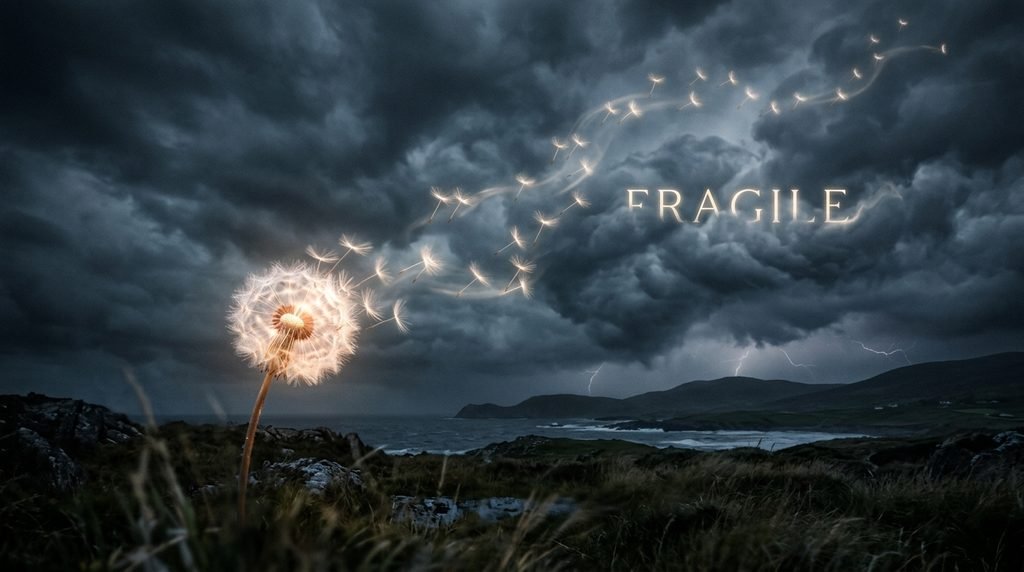
A metaphor for corona is a figurative comparison that describes coronavirus or its effects by saying it is something else, without using “like” or “as.” For example, “The virus was a storm” compares the sudden danger and disruption of COVID-19 to a storm. Metaphors help readers picture an idea quickly and emotionally.
For clarity, this article uses corona to mean the COVID-19/coronavirus context. In medical writing, use the precise terms COVID-19 for the disease and SARS-CoV-2 for the virus when accuracy matters.
Quick explanation
- Literal: COVID-19 spread through communities.
- Metaphorical: COVID-19 became a storm over the community.
- Literal: Many people were worried.
- Metaphorical: Fear became a shadow over the city.
| Term | Simple meaning | Example |
|---|---|---|
| Metaphor | A figurative comparison | “The virus was a storm.” |
| Corona | Informal term often used for coronavirus | “Corona changed our routine.” |
| COVID-19 | Disease caused by SARS-CoV-2 | “She recovered from COVID-19.” |
| SARS-CoV-2 | Virus that causes COVID-19 | Used mainly in scientific contexts |
| Figurative language | Language that creates an image or idea | “A wave of cases” |
Researchers have also studied COVID-19 metaphors in real language. Fire metaphors, for example, can communicate danger, urgency, changing phases, and the idea of reducing spread.
Why We Use Metaphors for Corona
Metaphors make a difficult subject easier to picture. A phrase such as “a wave of infections” gives readers a clear mental image of something rising and moving across an area. A metaphor can also show emotion, uncertainty, disruption, or hope without using a long explanation.
Practical purpose
A metaphor can help explain an unfamiliar or complex situation in a short, memorable way.
Everyday usage
People may use metaphors when talking about how the pandemic changed work, school, travel, family life, or daily routines.
Writing
Writers use them in essays, stories, poems, speeches, blog posts, and personal reflections.
Speaking
A simple metaphor can make an explanation easier to understand during a conversation.
School
Students can use metaphors in creative writing, descriptive essays, and literature assignments.
Social media
Short metaphors can communicate feelings and experiences in a memorable way.
Professional communication
In professional writing, metaphors should be clear and respectful. Avoid dramatic language when discussing medical facts.
Main Section: 60 Metaphors for Corona

The following examples focus on different ideas: spread, uncertainty, disruption, fear, isolation, change, recovery, and hope. They are figurative expressions, not medical descriptions.
1. Corona Was a Storm
Meaning: A sudden and powerful crisis.
Real explanation: A storm suggests danger, confusion, and major disruption.
Sample sentence: “Corona was a storm that changed our daily lives.”
When to use it: Essays and personal writing.
When NOT to use it: Scientific reports.
Alternatives: crisis, turbulent period, difficult time.
Difficulty: Easy
Tone: Neutral
2. Corona Was a Wave
Meaning: A problem that rises and spreads.
Real explanation: A wave creates an image of something moving across a wide area.
Sample sentence: “A new wave of infections affected many families.”
When to use it: News-style or educational writing.
When NOT to use it: When discussing one person’s illness.
Alternatives: surge, rise, spread.
Difficulty: Easy
Tone: Neutral
3. Corona Was a Wildfire
Meaning: Something spreading quickly.
Real explanation: Wildfire imagery emphasizes rapid movement from one place to another.
Sample sentence: “The virus moved through communities like a wildfire.”
When to use it: Creative writing.
When NOT to use it: Sensitive personal situations.
Alternatives: spreading fire, rapid spread, blaze.
Difficulty: Easy
Tone: Strong
4. Corona Was a Shadow
Meaning: A problem that stayed in people’s thoughts.
Real explanation: A shadow suggests something difficult that remains nearby.
Sample sentence: “Corona became a shadow over everyday life.”
When to use it: Personal essays and poetry.
When NOT to use it: Medical instructions.
Alternatives: cloud, burden, presence.
Difficulty: Easy
Tone: Reflective
5. Corona Was a Thief
Meaning: Something that took away normal parts of life.
Real explanation: The metaphor focuses on lost time, plans, freedom, or opportunities.
Sample sentence: “Corona was a thief that stole many simple moments.”
When to use it: Emotional writing.
When NOT to use it: Formal health communication.
Alternatives: robber, taker, unwanted force.
Difficulty: Easy
Tone: Emotional
6. Corona Was a Storm Cloud
Meaning: A source of worry hanging over people.
Real explanation: A storm cloud suggests trouble that may arrive or continue.
Sample sentence: “The pandemic felt like a storm cloud above the city.”
When to use it: Descriptive writing.
When NOT to use it: Scientific writing.
Alternatives: dark cloud, burden, threat.
Difficulty: Easy
Tone: Reflective
7. Corona Was a Fire
Meaning: A dangerous situation that can spread.
Real explanation: Fire gives a strong image of movement, danger, and urgency.
Sample sentence: “The outbreak became a fire that communities worked to contain.”
When to use it: Essays and speeches.
When NOT to use it: When a calm, clinical tone is required.
Alternatives: blaze, wildfire, flame.
Difficulty: Easy
Tone: Strong
8. Corona Was a Chain
Meaning: Connected events that affect one another.
Real explanation: Each link represents another person, event, or consequence.
Sample sentence: “One case became part of a larger chain of transmission.”
When to use it: Educational writing.
When NOT to use it: Emotional tributes.
Alternatives: link, network, sequence.
Difficulty: Easy
Tone: Neutral
9. Corona Was a Domino Effect
Meaning: One event caused many connected changes.
Real explanation: Falling dominoes create a clear image of one event triggering another.
Sample sentence: “The pandemic created a domino effect across schools and businesses.”
When to use it: Explaining wider effects.
When NOT to use it: Describing medical symptoms.
Alternatives: ripple effect, chain reaction, cascade.
Difficulty: Easy
Tone: Neutral
10. Corona Was an Unwanted Guest
Meaning: Something that arrived without invitation and disrupted life.
Real explanation: The image makes the pandemic feel like an unexpected visitor.
Sample sentence: “Corona arrived as an unwanted guest in our lives.”
When to use it: Personal writing.
When NOT to use it: Formal medical documents.
Alternatives: intruder, visitor, disruption.
Difficulty: Easy
Tone: Conversational
11. Corona Was a Locked Door
Meaning: A barrier that stopped normal activities.
Real explanation: A locked door represents restrictions and limited access.
Sample sentence: “The pandemic became a locked door between people and their old routines.”
When to use it: Creative essays.
When NOT to use it: Technical reports.
Alternatives: barrier, wall, blockade.
Difficulty: Easy
Tone: Reflective
12. Corona Was a Broken Bridge
Meaning: A disruption in connection.
Real explanation: A bridge normally connects places, while a broken bridge separates them.
Sample sentence: “The pandemic felt like a broken bridge between distant families.”
When to use it: Writing about separation.
When NOT to use it: Medical advice.
Alternatives: gap, divide, barrier.
Difficulty: Medium
Tone: Emotional
13. Corona Was a Fog
Meaning: A period of uncertainty.
Real explanation: Fog makes it difficult to see what lies ahead.
Sample sentence: “The early months felt like walking through fog.”
When to use it: Reflective writing.
When NOT to use it: Reporting confirmed facts.
Alternatives: uncertainty, haze, confusion.
Difficulty: Easy
Tone: Reflective
14. Corona Was a Puzzle
Meaning: A problem that required many answers.
Real explanation: A puzzle represents uncertainty and the need to understand separate pieces.
Sample sentence: “Scientists faced a new puzzle as they studied the virus.”
When to use it: Educational writing.
When NOT to use it: Personal grief.
Alternatives: mystery, problem, challenge.
Difficulty: Easy
Tone: Neutral
15. Corona Was a Moving Target
Meaning: A changing problem that was difficult to predict.
Real explanation: A moving target changes position, making it harder to understand or respond to.
Sample sentence: “The changing situation felt like a moving target.”
When to use it: Explaining uncertainty.
When NOT to use it: Basic medical definitions.
Alternatives: changing challenge, shifting problem, moving goal.
Difficulty: Medium
Tone: Neutral
16. Corona Was a Wave Against the Shore
Meaning: Repeated pressure arriving over time.
Real explanation: Waves return again and again, creating an image of recurring disruption.
Sample sentence: “Each new outbreak felt like another wave against the shore.”
When to use it: Essays.
When NOT to use it: Exact epidemiological descriptions.
Alternatives: recurring surge, repeated pressure, new wave.
Difficulty: Medium
Tone: Reflective
17. Corona Was an Invisible Wall
Meaning: An unseen force that separated people.
Real explanation: The wall represents separation without being physically visible.
Sample sentence: “Distance became an invisible wall between friends.”
When to use it: Personal writing.
When NOT to use it: Literal safety instructions.
Alternatives: invisible barrier, divide, separation.
Difficulty: Easy
Tone: Emotional
18. Corona Was a Dark Chapter
Meaning: A painful period in a larger story.
Real explanation: A chapter represents one part of life or history.
Sample sentence: “The pandemic became a dark chapter in modern history.”
When to use it: Historical writing.
When NOT to use it: Scientific reports.
Alternatives: difficult chapter, painful period, hard season.
Difficulty: Easy
Tone: Reflective
19. Corona Was a Long Winter
Meaning: A long and difficult period.
Real explanation: Winter can symbolize isolation, hardship, and waiting for change.
Sample sentence: “Those months felt like a long winter.”
When to use it: Poetry and personal stories.
When NOT to use it: Medical communication.
Alternatives: cold season, hard season, bleak period.
Difficulty: Easy
Tone: Emotional
20. Corona Was a Cage
Meaning: A situation that limited freedom.
Real explanation: A cage creates a strong image of restricted movement.
Sample sentence: “For some people, staying home felt like living inside a cage.”
When to use it: Personal narratives.
When NOT to use it: Generalizing everyone’s experience.
Alternatives: confinement, barrier, enclosure.
Difficulty: Easy
Tone: Strong
21. Corona Was a Pause Button
Meaning: Something that temporarily stopped normal life.
Real explanation: A pause button represents stopping activity without necessarily ending it forever.
Sample sentence: “The pandemic felt like someone had pressed pause on the world.”
When to use it: Social posts and essays.
When NOT to use it: Describing serious medical outcomes.
Alternatives: pause, interruption, halt.
Difficulty: Easy
Tone: Conversational
22. Corona Was a Reset Button
Meaning: A major change that forced people to rethink routines.
Real explanation: A reset button suggests starting again with changed habits.
Sample sentence: “The pandemic became a reset button for many daily routines.”
When to use it: Reflective writing.
When NOT to use it: Saying the pandemic was beneficial to everyone.
Alternatives: turning point, restart, new beginning.
Difficulty: Easy
Tone: Neutral
23. Corona Was a Wake-Up Call
Meaning: An event that forced people to pay attention.
Real explanation: A wake-up call means a serious reminder that something needs attention.
Sample sentence: “The crisis was a wake-up call about public health.”
When to use it: Essays and speeches.
When NOT to use it: Personal loss.
Alternatives: warning, alarm, reminder.
Difficulty: Easy
Tone: Neutral
24. Corona Was an Alarm Bell
Meaning: A warning of danger or urgent action.
Real explanation: An alarm bell tells people that something needs attention.
Sample sentence: “The outbreak sounded an alarm bell for health systems.”
When to use it: Public-health discussions.
When NOT to use it: Claiming an exact medical prediction.
Alternatives: warning sign, alert, signal.
Difficulty: Easy
Tone: Strong
25. Corona Was a Storm at Sea
Meaning: A crisis that made life uncertain and difficult.
Real explanation: Rough seas suggest danger, instability, and loss of control.
Sample sentence: “Families tried to stay steady during the storm at sea.”
When to use it: Stories and essays.
When NOT to use it: Formal reports.
Alternatives: rough waters, turbulent period, crisis.
Difficulty: Medium
Tone: Literary
26. Corona Was a Flood
Meaning: A large amount arriving quickly.
Real explanation: Flood imagery suggests rapid growth and pressure.
Sample sentence: “The sudden rise in cases felt like a flood.”
When to use it: Creative or explanatory writing.
When NOT to use it: Exact statistical reporting.
Alternatives: surge, overflow, rush.
Difficulty: Easy
Tone: Strong
27. Corona Was a Tidal Wave
Meaning: A powerful and overwhelming event.
Real explanation: A tidal wave creates a vivid image of something larger than an individual.
Sample sentence: “The crisis hit the town like a tidal wave.”
When to use it: Creative writing.
When NOT to use it: When precise language matters.
Alternatives: surge, huge wave, overwhelming event.
Difficulty: Easy
Tone: Dramatic
28. Corona Was a Spider Web
Meaning: A complicated network of connections.
Real explanation: A web shows how many separate points can become connected.
Sample sentence: “The outbreak revealed a web of connections between communities.”
When to use it: Educational writing.
When NOT to use it: Personal tributes.
Alternatives: network, network of links, chain.
Difficulty: Medium
Tone: Neutral
29. Corona Was a Puzzle Box
Meaning: Something difficult to understand.
Real explanation: A puzzle box suggests hidden answers that take time to discover.
Sample sentence: “The new virus seemed like a puzzle box to researchers.”
When to use it: Creative science writing.
When NOT to use it: Claiming that science lacked answers entirely.
Alternatives: mystery, complex problem, unknown.
Difficulty: Medium
Tone: Literary
30. Corona Was a Mountain
Meaning: A huge challenge that required effort.
Real explanation: Climbing a mountain represents facing a difficult task step by step.
Sample sentence: “Recovering from the crisis felt like climbing a mountain.”
When to use it: Motivational writing.
When NOT to use it: Speaking for every person’s experience.
Alternatives: challenge, uphill battle, obstacle.
Difficulty: Easy
Tone: Encouraging
31. Corona Was an Uphill Road
Meaning: A difficult journey.
Real explanation: Walking uphill requires extra effort and patience.
Sample sentence: “The return to normal life was an uphill road.”
When to use it: Personal essays.
When NOT to use it: Medical claims.
Alternatives: hard journey, difficult path, challenge.
Difficulty: Easy
Tone: Reflective
32. Corona Was a Maze
Meaning: A confusing situation with no clear path.
Real explanation: A maze represents uncertainty and difficult choices.
Sample sentence: “The changing rules made daily life feel like a maze.”
When to use it: Personal writing.
When NOT to use it: Official guidance.
Alternatives: confusion, maze, complicated path.
Difficulty: Easy
Tone: Reflective
33. Corona Was a Thief of Time
Meaning: Something that took away valuable time.
Real explanation: This focuses on canceled plans, delayed goals, and lost opportunities.
Sample sentence: “The pandemic felt like a thief of time.”
When to use it: Personal stories.
When NOT to use it: Clinical writing.
Alternatives: time thief, lost time, interruption.
Difficulty: Easy
Tone: Emotional
34. Corona Was a Broken Clock
Meaning: A disruption of normal routines and schedules.
Real explanation: A broken clock represents time no longer feeling normal.
Sample sentence: “During lockdown, every day felt like a broken clock.”
When to use it: Creative writing.
When NOT to use it: Professional reports.
Alternatives: disrupted routine, frozen time, lost rhythm.
Difficulty: Medium
Tone: Literary
35. Corona Was a Heavy Backpack
Meaning: An emotional or practical burden.
Real explanation: A heavy backpack represents something people carry day after day.
Sample sentence: “Worry became a heavy backpack on many people’s shoulders.”
When to use it: Emotional writing.
When NOT to use it: Making assumptions about everyone.
Alternatives: burden, weight, load.
Difficulty: Easy
Tone: Emotional
36. Corona Was a Heavy Cloud
Meaning: A continuing feeling of worry.
Real explanation: A heavy cloud suggests sadness or uncertainty that does not quickly disappear.
Sample sentence: “A heavy cloud hung over our plans.”
When to use it: Personal writing.
When NOT to use it: Medical facts.
Alternatives: dark cloud, burden, worry.
Difficulty: Easy
Tone: Reflective
37. Corona Was a Silent Visitor
Meaning: A threat that could not always be seen.
Real explanation: “Silent visitor” focuses on uncertainty rather than physical appearance.
Sample sentence: “The virus felt like a silent visitor in our community.”
When to use it: Creative writing.
When NOT to use it: Scientific explanation.
Alternatives: unseen visitor, hidden threat, silent presence.
Difficulty: Easy
Tone: Literary
38. Corona Was an Unseen Enemy
Meaning: A danger people could not easily see.
Real explanation: The metaphor focuses on the invisible nature of a virus.
Sample sentence: “People were learning how to live with an unseen enemy.”
When to use it: Historical or personal writing.
When NOT to use it: If battle language may feel inappropriate.
Alternatives: invisible threat, unseen danger, hidden risk.
Difficulty: Easy
Tone: Strong
39. Corona Was a Battle
Meaning: A difficult struggle against a serious problem.
Real explanation: Battle language presents people and institutions as working against a common threat.
Sample sentence: “Healthcare workers faced a difficult battle during the crisis.”
When to use it: Speeches and personal stories.
When NOT to use it: If you want calm, non-combat language.
Alternatives: struggle, challenge, fight.
Difficulty: Easy
Tone: Strong
40. Corona Was a Battlefield
Meaning: A place of intense struggle.
Real explanation: This extends the battle metaphor to hospitals, communities, or public systems.
Sample sentence: “Hospitals became a difficult battlefield during the crisis.”
When to use it: Historical or literary writing.
When NOT to use it: Routine medical communication.
Alternatives: front line, crisis zone, place of struggle.
Difficulty: Medium
Tone: Dramatic
41. Corona Was a Chain Reaction
Meaning: One event leading to many others.
Real explanation: A chain reaction shows how an initial event can create wider effects.
Sample sentence: “The outbreak triggered a chain reaction across daily life.”
When to use it: Essays and explanations.
When NOT to use it: Individual medical cases.
Alternatives: domino effect, ripple effect, cascade.
Difficulty: Easy
Tone: Neutral
42. Corona Was a Ripple
Meaning: An event whose effects spread outward.
Real explanation: A ripple begins at one point and moves outward.
Sample sentence: “The pandemic created ripples across families and workplaces.”
When to use it: Explaining social effects.
When NOT to use it: Describing transmission scientifically.
Alternatives: ripple effect, impact, spread.
Difficulty: Easy
Tone: Neutral
43. Corona Was a Crack in the Wall
Meaning: A problem that exposed weaknesses.
Real explanation: A crack can reveal that a larger structure needs attention.
Sample sentence: “The crisis revealed cracks in many systems.”
When to use it: Social or institutional essays.
When NOT to use it: Unsupported claims about a specific organization.
Alternatives: weakness, gap, fault line.
Difficulty: Medium
Tone: Analytical
44. Corona Was a Mirror
Meaning: Something that revealed existing problems or feelings.
Real explanation: A mirror reflects what is already there.
Sample sentence: “The crisis became a mirror for society’s strengths and weaknesses.”
When to use it: Essays and analysis.
When NOT to use it: Medical writing.
Alternatives: reflection, lens, revealing moment.
Difficulty: Medium
Tone: Thoughtful
45. Corona Was a Magnifying Glass
Meaning: Something that made existing problems easier to see.
Real explanation: A magnifying glass makes small details appear larger.
Sample sentence: “The pandemic acted as a magnifying glass for social problems.”
When to use it: Analytical writing.
When NOT to use it: Making claims without evidence.
Alternatives: spotlight, lens, amplifier.
Difficulty: Medium
Tone: Analytical
46. Corona Was a Teacher
Meaning: An experience that taught people lessons.
Real explanation: The metaphor focuses on lessons learned during a difficult period.
Sample sentence: “The pandemic became a hard teacher about the value of preparation.”
When to use it: Reflection.
When NOT to use it: Minimizing suffering.
Alternatives: lesson, reminder, experience.
Difficulty: Easy
Tone: Reflective
47. Corona Was a Turning Point
Meaning: An event that changed what came after it.
Real explanation: A turning point marks a major change in direction.
Sample sentence: “The pandemic became a turning point in how many people worked.”
When to use it: Essays and history.
When NOT to use it: Claiming the same effect for everyone.
Alternatives: milestone, transition, major change.
Difficulty: Easy
Tone: Neutral
48. Corona Was a Fork in the Road
Meaning: A moment that created different paths.
Real explanation: A fork in a road represents choices and changes in direction.
Sample sentence: “The crisis became a fork in the road for many businesses.”
When to use it: Business and personal writing.
When NOT to use it: Medical advice.
Alternatives: crossroads, turning point, choice.
Difficulty: Medium
Tone: Reflective
49. Corona Was a Test of Patience
Meaning: A long situation requiring patience.
Real explanation: The metaphor focuses on waiting, uncertainty, and adjustment.
Sample sentence: “The long period of restrictions was a test of patience.”
When to use it: Personal essays.
When NOT to use it: Describing medical severity.
Alternatives: challenge, waiting game, endurance test.
Difficulty: Easy
Tone: Neutral
50. Corona Was a Long Road
Meaning: A difficult process that takes time.
Real explanation: A road represents movement through different stages.
Sample sentence: “Recovery was a long road for some families.”
When to use it: Reflective writing.
When NOT to use it: Promising a specific recovery outcome.
Alternatives: journey, path, process.
Difficulty: Easy
Tone: Hopeful
51. Corona Was a Bridge to Change
Meaning: A difficult period that led to new ways of doing things.
Real explanation: A bridge connects one place or state to another.
Sample sentence: “The crisis became a bridge to new ways of working.”
When to use it: Reflective or business writing.
When NOT to use it: Saying change was positive for everyone.
Alternatives: pathway, transition, link.
Difficulty: Medium
Tone: Neutral
52. Corona Was a Door to a New Routine
Meaning: A major event that led to changed habits.
Real explanation: A door represents movement from one situation into another.
Sample sentence: “Remote work became a door to a new routine for many employees.”
When to use it: Work-related writing.
When NOT to use it: Generalizing every worker’s experience.
Alternatives: gateway, transition, new path.
Difficulty: Easy
Tone: Neutral
53. Corona Was a Breath Held Too Long
Meaning: A long period of fear or uncertainty.
Real explanation: Holding your breath creates an image of waiting and tension.
Sample sentence: “Those early weeks felt like a breath held too long.”
When to use it: Poetry and personal writing.
When NOT to use it: Health information.
Alternatives: tense wait, anxious pause, uncertainty.
Difficulty: Medium
Tone: Literary
54. Corona Was a Bell in the Distance
Meaning: A warning whose effects could be felt from far away.
Real explanation: A distant bell can signal that something important is happening.
Sample sentence: “The outbreak was a bell in the distance that grew louder.”
When to use it: Creative writing.
When NOT to use it: Statistical reporting.
Alternatives: warning, signal, distant alarm.
Difficulty: Medium
Tone: Literary
55. Corona Was a Page Turned Too Fast
Meaning: A sudden change in life.
Real explanation: Turning a page represents moving into a new part of a story.
Sample sentence: “The pandemic felt like a page turned too fast.”
When to use it: Personal stories and poetry.
When NOT to use it: Formal writing.
Alternatives: sudden shift, abrupt change, new chapter.
Difficulty: Medium
Tone: Literary
56. Corona Was a Door That Wouldn’t Open
Meaning: A situation that prevented normal plans.
Real explanation: The closed door represents blocked opportunities and uncertainty.
Sample sentence: “Travel restrictions felt like a door that would not open.”
When to use it: Personal writing.
When NOT to use it: Official travel information.
Alternatives: barrier, obstacle, closed path.
Difficulty: Easy
Tone: Reflective
57. Corona Was a Knot
Meaning: A complicated problem that was hard to untangle.
Real explanation: A knot represents several connected problems that need careful attention.
Sample sentence: “The crisis tied health, work, and school into one complicated knot.”
When to use it: Essays.
When NOT to use it: Scientific reporting.
Alternatives: tangle, complication, web.
Difficulty: Easy
Tone: Neutral
58. Corona Was a River
Meaning: Something moving continuously through communities or time.
Real explanation: A river suggests movement and a continuing path.
Sample sentence: “News about the pandemic flowed through every part of daily life.”
When to use it: Creative writing.
When NOT to use it: Describing actual transmission patterns.
Alternatives: stream, flow, current.
Difficulty: Easy
Tone: Literary
59. Corona Was a Chapter We Had to Read
Meaning: A difficult period that became part of personal or shared history.
Real explanation: The chapter metaphor frames the pandemic as one part of a larger story.
Sample sentence: “Corona became a chapter we had to read before turning the page.”
When to use it: Speeches, essays, and reflections.
When NOT to use it: Medical advice.
Alternatives: period, chapter, season.
Difficulty: Easy
Tone: Hopeful
60. Corona Was a Dark Tunnel With Light Ahead
Meaning: A difficult period followed by hope.
Real explanation: The tunnel represents hardship, while the light represents a possible better future.
Sample sentence: “The pandemic felt like a dark tunnel, but people kept looking for light ahead.”
When to use it: Inspirational writing.
When NOT to use it: Promising that every situation will quickly improve.
Alternatives: difficult journey, dark road, light at the end.
Difficulty: Easy
Tone: Hopeful
Real-Life Conversations
These examples show how the metaphors can sound in natural speech.
Friends
Sam: “How would you describe those pandemic years?”
Alex: “Honestly, they felt like a storm.”
Sam: “Yeah. Everything changed so quickly.”
Family
Mother: “Why do you call that time a long winter?”
Daughter: “Because everything felt quiet and uncertain for so long.”
Students
Teacher: “Can you use a metaphor in your essay?”
Student: “Sure. I wrote, ‘The pandemic was a pause button on normal life.’”
Teacher: “That gives the reader a clear picture.”
Office
Manager: “What changed most during that period?”
Employee: “It felt like a turning point. Our whole work routine changed.”
Social Media
Friend 1: “What caption are you using for your old photo?”
Friend 2: “Maybe, ‘A chapter we had to read before turning the page.’”
Friend 1: “That sounds simple but meaningful.”
Everyday Usage
Metaphors about corona work best when the goal is to describe an experience, create an image, or express emotion. They should not replace accurate medical language when a reader needs health information.
Conversation
Use simple expressions such as:
“That period felt like a storm.”
“It was a long road back to normal routines.”
Writing
Personal essays can use emotional metaphors such as shadow, long winter, heavy cloud, or dark chapter.
Books
Fiction writers can use metaphors to show how characters experience fear, separation, uncertainty, or change.
Movies
Dialogue may use short expressions such as “a storm,” “a turning point,” or “a dark chapter” to communicate a character’s feelings.
Poetry
Poetry allows more imaginative comparisons, such as:
“A dark cloud crossed the calendar.”
“The world held its breath.”
Emails
Professional emails should use metaphors carefully. A simple phrase such as “a difficult period” is usually safer than dramatic imagery.
Text Messages
Informal messages can use:
“Those months were a maze.”
“It felt like life was on pause.”
Instagram and Facebook
Short metaphors can work well as captions:
“A dark chapter, but not the whole story.”
“Some storms change the way we see the sky.”
X
Short expressions are useful because they communicate an idea quickly:
“The pandemic was a turning point, not just a difficult year.”
Keep workplace metaphors measured:
“The pandemic became a turning point in how many teams approached remote work.”
School Assignments
Students should explain the metaphor after using it. For example:
“The pandemic was a storm because it created sudden fear, uncertainty, and disruption.”
That makes the writing clearer than simply adding a dramatic phrase.
Metaphors to Choose Based on Your Meaning
The best metaphor depends on what you want to communicate.
- Want to show rapid spread? Use wildfire, fire, wave, or flood.
- Want to show uncertainty? Use fog, maze, puzzle, or moving target.
- Want to show loss? Use thief or thief of time.
- Want to show separation? Use invisible wall or broken bridge.
- Want to show restriction? Use cage or locked door.
- Want to show social effects? Use ripple or domino effect.
- Want to show major change? Use turning point or fork in the road.
- Want to show emotional pressure? Use heavy backpack or heavy cloud.
- Want to show hope after hardship? Use dark tunnel with light ahead.
- Want a simple school metaphor? Use storm, wave, mountain, or long road.
What Is the Best Metaphor for Corona?
There is no single “best” metaphor because each comparison emphasizes a different idea. Storm works well for sudden disruption, wave for rising cases or repeated periods of concern, shadow for continuing worry, thief for lost experiences, and turning point for major changes in daily life. Choose the image that matches the exact meaning you want to express.
For factual health information, however, a metaphor should not replace precise terminology. COVID-19 is the disease caused by SARS-CoV-2, and official health communication uses those terms when medical accuracy matters.
Final Takeaway:
A metaphor for corona turns a difficult idea into a picture readers can understand.
“Corona was a storm” focuses on disruption, “corona was a wave” suggests rising or recurring pressure, “corona was a shadow” expresses lasting worry, and “corona was a dark tunnel with light ahead” adds a sense of hope.
For school and creative writing, choose a metaphor that matches your message rather than simply choosing the most dramatic phrase.
For medical or professional health information, use COVID-19, SARS-CoV-2, infection, transmission, symptoms, and other precise terms when appropriate.
Metaphors are useful for explaining human experiences, but they should not be mistaken for scientific descriptions.
Discover more post:
| https://metaphorcraftz.com/metaphor-for-a-good-teacher/ |
| https://metaphorcraftz.com/metaphor-for-a-soft-chair/ |
| https://metaphorcraftz.com/metaphor-for-complaining/ |

Liora is a passionate writer, language enthusiast, and experienced content creator with 5 years of experience researching and writing about metaphors, figurative language, literary devices, symbolism, and the deeper meanings behind everyday words and expressions.
Related Post

Metaphors for Eating Fast: Creative Ways to Describe
Eating fast is easy to describe with words such as gulping, wolfing down, or eating…
2 thoughts on “Metaphor for Corona: Creative and Easy Examples”