Metaphors for Goals: Creative Ways to Describe Your Dreams
MetaphorCraftz.com >> Uncategorized>> Metaphors for Goals: Creative Ways to Describe Your Dreams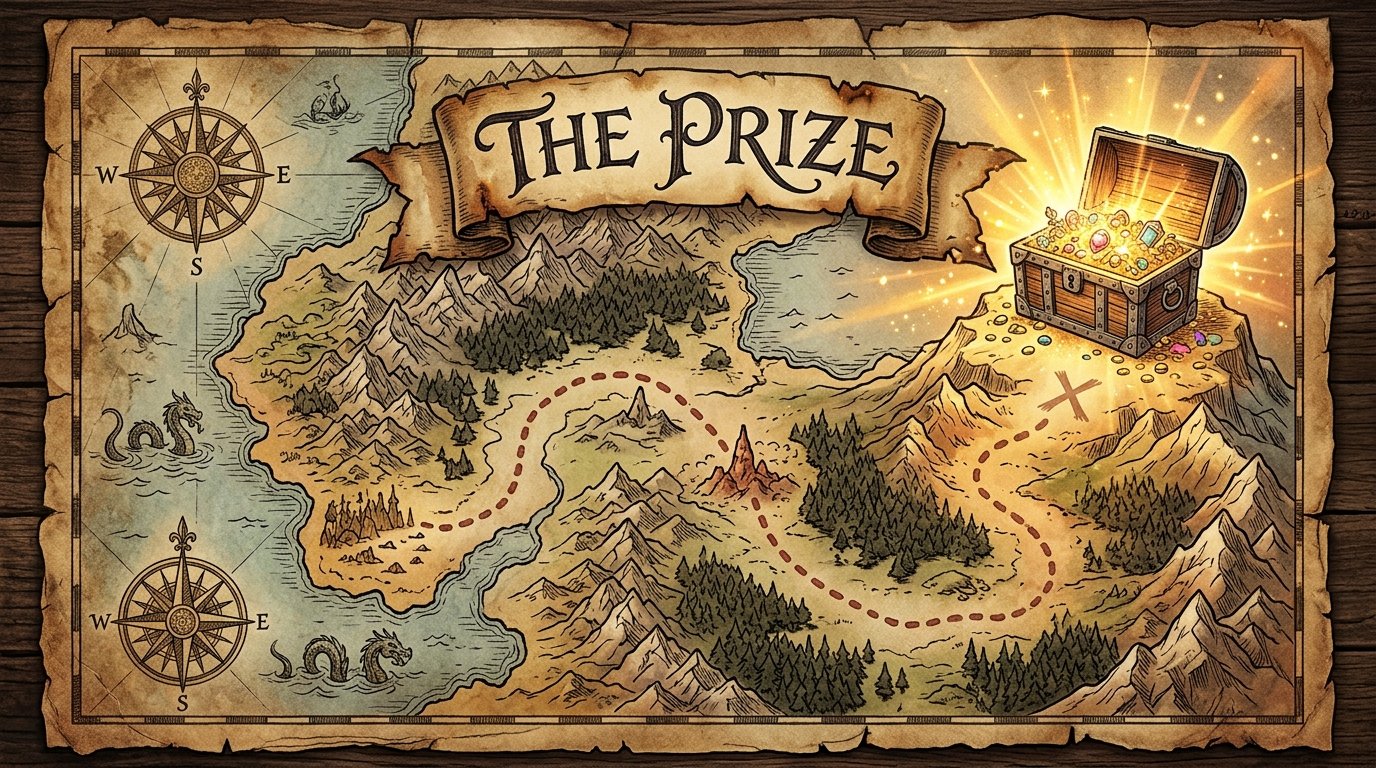
Metaphors for Goals: Creative Ways to Describe Your Dreams
Goals give us something to work toward, but sometimes the word “goal” does not fully express what we feel. That is where a metaphor for goals can help.
A metaphor compares a goal to something familiar, such as a mountain, road, compass, seed, star, or finish line. It turns an abstract idea into a picture that readers can easily understand.
People often search for metaphors for goals when writing essays, speeches, poems, social media posts, personal statements, or motivational messages.
They may want a creative way to describe ambition, success, progress, hard work, or a dream for the future.
For example, calling a goal a mountain shows that it may be difficult to reach. Calling it a compass shows that it gives direction.
Calling it a seed suggests that the goal needs time and care before it can grow.
In this 2026 guide, you will find more than 60 metaphors for goals, along with simple meanings, natural examples, usage tips, difficulty levels, and tone.
By the end, you will know how to choose the right metaphor for almost any goal.
Definition & Meaning

A metaphor for goals is a creative comparison that describes a goal as something familiar, such as a target, mountain, road, destination, seed, compass, or finish line. Instead of saying only “I have a goal,” a metaphor helps people picture what the goal feels like and what it takes to reach it.
People search for metaphors for goals when they need better words for an essay, speech, presentation, social media post, journal entry, or personal statement. A strong metaphor can make a simple idea feel vivid and memorable.
You may see these expressions in motivational writing, books, classrooms, business talks, sports, poetry, coaching, and everyday conversation.
The key is to choose a metaphor that matches the message. A mountain suggests challenge. A compass suggests direction. A seed suggests patience and growth. A finish line suggests completion.
This guide, updated for 2026, gives you more than 60 useful metaphors for goals, with meanings, examples, tone, difficulty, and advice on when to use each one.
| Metaphor | What It Suggests | Best For |
|---|---|---|
| A target | Focus and accuracy | General goals |
| A mountain | Challenge and effort | Big goals |
| A destination | A desired result | Life planning |
| A road | Progress and movement | Long-term goals |
| A compass | Direction | Life decisions |
| A lighthouse | Guidance | Uncertain situations |
| A seed | Growth and patience | Personal development |
| A bridge | Moving from one stage to another | Change |
| A ladder | Step-by-step progress | Career and education |
| A finish line | Completion | Short-term goals |
Why We Use Metaphor for Goals
A metaphor for goals makes an abstract idea easier to see, feel, and remember. People use goal metaphors because words such as “mountain,” “compass,” or “seed” can quickly communicate challenge, direction, patience, or growth without a long explanation.
Practical purpose
Goals can be difficult to explain because they are often invisible. You cannot hold a career goal, personal dream, or future plan in your hand.
A metaphor gives that invisible idea a clear picture.
For example:
“My goal is a mountain, and every small step takes me closer to the top.”
The sentence does more than say the goal is difficult. It shows effort, progress, patience, and achievement.
Everyday usage
People naturally use goal metaphors when talking about success.
You might hear:
- “Keep your eyes on the target.”
- “We are heading in the right direction.”
- “That dream is within reach.”
- “I’m climbing the ladder.”
- “We crossed a major milestone.”
- “The finish line is close.”
These expressions often sound more natural than formal explanations.
Writing
Metaphors are useful in essays, speeches, stories, personal statements, and creative writing because they give the reader something concrete to imagine.
Instead of:
“Achieving my goal will require hard work.”
You could write:
“My goal is a mountain, and every day I climb a little higher.”
Speaking
A good metaphor can make a speech easier to remember.
For example:
“Our goal is not a wall. It is a bridge to a better future.”
The listener can quickly understand the idea.
School
Students can use goal metaphors in essays, presentations, journals, and speeches.
A simple metaphor is often best:
“Education is a ladder, and each lesson helps me climb higher.”
Social media
Short metaphors work well in captions and motivational posts.
Examples include:
- “Dream big. Aim at the stars.”
- “One step at a time.”
- “Plant today. Grow tomorrow.”
- “Keep climbing.”
- “Stay on course.”
Professional communication
Businesses often use metaphors to explain strategy and progress.
For example:
“Our five-year goal is the summit, but this quarter is about reaching the next base camp.”
That expression makes a long-term plan feel easier to understand.
Main Section
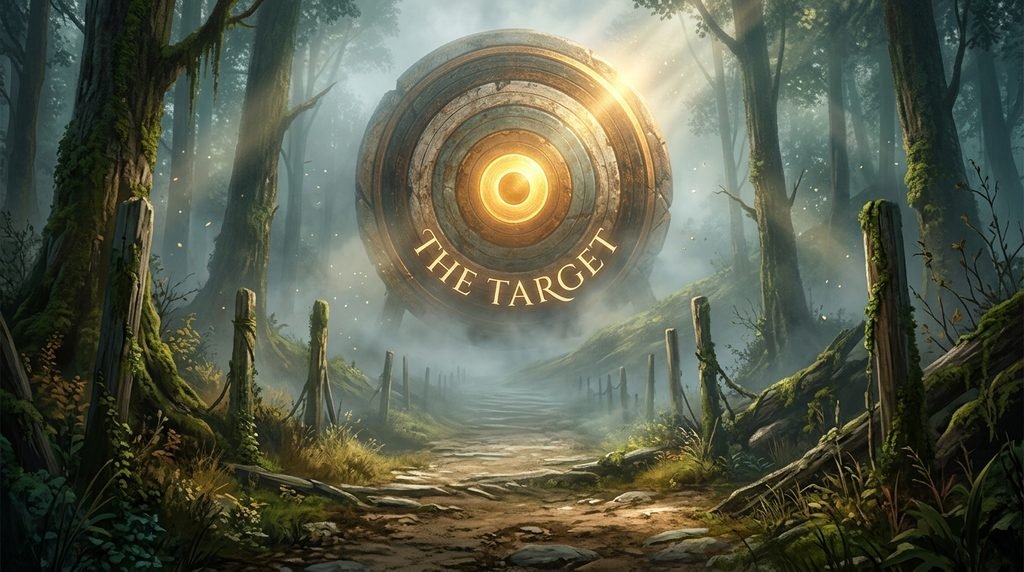
The best metaphor for a goal depends on the idea you want to express. Some metaphors show direction, while others highlight hard work, growth, patience, focus, risk, progress, or achievement. Below are more than 60 options, from simple expressions for students to polished choices for speeches and professional writing.
1. A Goal Is a Target
Meaning: A goal is something you aim to reach.
Real explanation:
A target is one of the clearest metaphors for a goal. It suggests focus and a specific result.
Sample sentence:
“My goal is a target, so I keep my attention on where I want to go.”
When to use it: When talking about focus or measurable results.
When NOT to use it: Avoid it when you want to emphasize flexibility or exploration.
Alternatives: aim, objective, bullseye
Difficulty level: Easy
Tone: Neutral
2. A Goal Is a Mountain
Meaning: A goal can be a difficult challenge that takes time to overcome.
Real explanation:
A mountain represents height, effort, obstacles, and achievement. The higher the mountain, the harder the climb.
Sample sentence:
“Her dream is a mountain, but she is willing to climb it one step at a time.”
When to use it: Big or difficult goals.
When NOT to use it: Small, simple tasks.
Alternatives: challenge, summit, uphill journey
Difficulty level: Easy
Tone: Inspirational
3. A Goal Is a Destination
Meaning: A goal is a place or result you want to reach.
Real explanation:
This metaphor connects goal-setting with travel. Your current position is where you are, while your destination represents where you want to be.
Sample sentence:
“Graduation is the destination, and every class brings me closer.”
When to use it: Life plans, education, career goals.
When NOT to use it: Goals that are constantly changing.
Alternatives: endpoint, arrival point, desired place
Difficulty level: Easy
Tone: Neutral
4. A Goal Is a Road
Meaning: A goal can represent a path toward a desired result.
Real explanation:
The road metaphor focuses more on the journey than the final achievement.
Sample sentence:
“Success is a road, not a single moment.”
When to use it: Long-term goals and personal growth.
When NOT to use it: When you need to describe a precise target.
Alternatives: path, route, journey
Difficulty level: Easy
Tone: Inspirational
5. A Goal Is a Compass
Meaning: A goal gives you direction.
Real explanation:
A compass does not take you to your destination. It helps you know which way to go. Goals can work the same way.
Sample sentence:
“My goal is my compass when I feel unsure about my next step.”
When to use it: Life choices and personal direction.
When NOT to use it: When you want to emphasize the final result.
Alternatives: guide, direction, North Star
Difficulty level: Easy
Tone: Inspirational
6. A Goal Is a Lighthouse
Meaning: A goal can guide you through uncertain times.
Real explanation:
A lighthouse helps ships navigate safely. As a metaphor, it represents a clear point of guidance when the path is difficult.
Sample sentence:
“Her dream became a lighthouse during the hardest years of her life.”
When to use it: Emotional or inspirational writing.
When NOT to use it: Technical writing where simple language is preferred.
Alternatives: beacon, guide, light
Difficulty level: Medium
Tone: Inspirational
7. A Goal Is a Seed
Meaning: A goal starts small and can grow with care.
Real explanation:
A seed needs time, water, sunlight, and attention. Goals often need patience, effort, and regular action.
Sample sentence:
“Every goal begins as a seed of an idea.”
When to use it: Personal growth and new dreams.
When NOT to use it: Goals that need urgent action.
Alternatives: beginning, spark, possibility
Difficulty level: Easy
Tone: Inspirational
8. A Goal Is a Bridge
Meaning: A goal can connect your present life with your desired future.
Real explanation:
A bridge helps you move from one place to another. A goal can do the same by giving you a path from where you are to where you want to be.
Sample sentence:
“Education is the bridge between my present and my future.”
When to use it: Education, career, and personal change.
When NOT to use it: When the goal itself is the destination.
Alternatives: connection, pathway, link
Difficulty level: Easy
Tone: Neutral
9. A Goal Is a Ladder
Meaning: A goal can be reached through a series of steps.
Real explanation:
A ladder represents progress from one level to another. Each rung can represent a small action or milestone.
Sample sentence:
“Every small achievement is another rung on the ladder to success.”
When to use it: Career, school, and personal improvement.
When NOT to use it: Goals that do not follow a clear sequence.
Alternatives: staircase, steps, progression
Difficulty level: Easy
Tone: Neutral
10. A Goal Is a Finish Line
Meaning: A goal is the point where an effort is completed.
Real explanation:
Runners work toward a finish line. The metaphor is useful when a project has a clear ending.
Sample sentence:
“The finish line is close, so we need to stay focused.”
When to use it: Deadlines, competitions, and projects.
When NOT to use it: Lifelong goals where there is no final endpoint.
Alternatives: endpoint, completion point, final stage
Difficulty level: Easy
Tone: Neutral
11. A Goal Is a Star
Meaning: A goal can represent a high dream or aspiration.
Real explanation:
Stars are distant and bright, making them useful symbols for dreams that inspire us.
Sample sentence:
“She keeps reaching for the star she placed in the sky of her future.”
When to use it: Poetry, speeches, and inspirational writing.
When NOT to use it: Formal technical reports.
Alternatives: dream, aspiration, vision
Difficulty level: Easy
Tone: Inspirational
12. A Goal Is a North Star
Meaning: A goal can give you steady direction.
Real explanation:
The North Star has long been associated with navigation. In writing, it can represent a guiding purpose.
Sample sentence:
“My purpose is my North Star when I make difficult decisions.”
When to use it: Leadership, life planning, and personal development.
When NOT to use it: When you need a simple beginner-level expression.
Alternatives: guiding light, compass, guide
Difficulty level: Medium
Tone: Professional
13. A Goal Is a Seedling
Meaning: A new goal needs care before it becomes strong.
Real explanation:
A seedling is young and fragile. This metaphor highlights the early stage of a dream.
Sample sentence:
“My business began as a small seedling of an idea.”
When to use it: New projects and early ambitions.
When NOT to use it: Completed achievements.
Alternatives: young idea, beginning, early dream
Difficulty level: Medium
Tone: Inspirational
14. A Goal Is a Garden
Meaning: Goals grow when you care for them regularly.
Real explanation:
A garden needs ongoing attention. This metaphor shows that success is often a process rather than one dramatic event.
Sample sentence:
“Your dreams are a garden; they need daily care.”
When to use it: Personal development and motivational writing.
When NOT to use it: Very short deadlines.
Alternatives: growing field, landscape, project
Difficulty level: Easy
Tone: Inspirational
15. A Goal Is a Fire
Meaning: A goal can give you energy and motivation.
Real explanation:
Fire represents passion, energy, and determination.
Sample sentence:
“Her dream became a fire that pushed her through every setback.”
When to use it: Passionate writing.
When NOT to use it: Calm, factual business writing.
Alternatives: spark, flame, drive
Difficulty level: Easy
Tone: Emotional
16. A Goal Is a Flame
Meaning: A goal can be a small but powerful source of motivation.
Real explanation:
A flame can begin small and become stronger. It works especially well when describing hope.
Sample sentence:
“His dream was a small flame that never went out.”
When to use it: Hope, resilience, and emotional writing.
When NOT to use it: Highly technical documents.
Alternatives: spark, light, fire
Difficulty level: Easy
Tone: Emotional
17. A Goal Is a Spark
Meaning: A goal can begin as a sudden idea or desire.
Real explanation:
A spark is small but can start something much bigger.
Sample sentence:
“One conversation was the spark that started her new career.”
When to use it: Beginnings and inspiration.
When NOT to use it: Mature goals with years of planning.
Alternatives: seed, trigger, beginning
Difficulty level: Easy
Tone: Informal
18. A Goal Is an Arrow
Meaning: A goal gives your effort a clear direction.
Real explanation:
An arrow travels toward a chosen point. It represents focus, movement, and intention.
Sample sentence:
“Once I chose my goal, my effort became an arrow aimed at one point.”
When to use it: Motivation and focus.
When NOT to use it: Goals requiring exploration and experimentation.
Alternatives: aim, path, direction
Difficulty level: Easy
Tone: Inspirational
19. A Goal Is a Bullseye
Meaning: A goal is the exact result you want to hit.
Real explanation:
The bullseye is the center of a target. It suggests precision.
Sample sentence:
“Our sales target is the bullseye we are working toward.”
When to use it: Business, sports, and measurable goals.
When NOT to use it: Personal dreams without a fixed outcome.
Alternatives: target, mark, objective
Difficulty level: Easy
Tone: Informal
20. A Goal Is a Map
Meaning: A goal can help you understand where you are going.
Real explanation:
A map gives you a picture of the journey and possible routes.
Sample sentence:
“A clear goal is like a map when the road ahead feels confusing.”
When to use it: Planning and strategy.
When NOT to use it: If you want to emphasize motivation rather than direction.
Alternatives: plan, guide, roadmap
Difficulty level: Easy
Tone: Neutral
21. A Goal Is a Roadmap
Meaning: A goal can provide a clear plan for reaching the future.
Real explanation:
A roadmap is especially useful when talking about several steps leading toward one result.
Sample sentence:
“Our five-year goal gives the company a roadmap for growth.”
When to use it: Business, school, and planning.
When NOT to use it: Purely emotional writing.
Alternatives: plan, strategy, route
Difficulty level: Easy
Tone: Professional
22. A Goal Is a Staircase
Meaning: A large goal can be reached one step at a time.
Real explanation:
A staircase makes a big climb easier by breaking it into smaller steps.
Sample sentence:
“Learning a new language is a staircase built from small daily habits.”
When to use it: Learning and self-improvement.
When NOT to use it: When there is no gradual process.
Alternatives: ladder, steps, progression
Difficulty level: Easy
Tone: Neutral
23. A Goal Is a Puzzle
Meaning: A goal may require many pieces to come together.
Real explanation:
A puzzle cannot be completed by looking at only one piece. This metaphor highlights planning and problem-solving.
Sample sentence:
“Building a successful business is a puzzle with many moving pieces.”
When to use it: Complex goals.
When NOT to use it: Very simple goals.
Alternatives: challenge, problem, equation
Difficulty level: Easy
Tone: Neutral
24. A Goal Is a Puzzle Piece
Meaning: A small goal can contribute to a larger purpose.
Real explanation:
Each puzzle piece has a role. Small achievements can work the same way.
Sample sentence:
“Passing this exam is one puzzle piece in my larger career plan.”
When to use it: Milestones and long-term planning.
When NOT to use it: When discussing one complete goal.
Alternatives: building block, step, part
Difficulty level: Easy
Tone: Neutral
25. A Goal Is a Building Block
Meaning: A small achievement helps create a larger result.
Real explanation:
Buildings are created from many individual blocks. Goals can work in the same way.
Sample sentence:
“Every new skill is a building block for my future career.”
When to use it: Education, career, and development.
When NOT to use it: A single final goal.
Alternatives: foundation, step, component
Difficulty level: Easy
Tone: Professional
26. A Goal Is a Foundation
Meaning: A goal can provide a strong base for future success.
Real explanation:
A building needs a foundation before it can rise. Early goals can create the base for bigger achievements.
Sample sentence:
“Learning basic skills gave me the foundation for my career.”
When to use it: Long-term development.
When NOT to use it: When describing the final achievement.
Alternatives: base, groundwork, starting point
Difficulty level: Easy
Tone: Professional
27. A Goal Is a Door
Meaning: Reaching a goal can open a new opportunity.
Real explanation:
A door represents access to something new.
Sample sentence:
“Learning English opened the door to new career opportunities.”
When to use it: Opportunity and change.
When NOT to use it: When the goal itself is not connected to a new stage.
Alternatives: gateway, opening, opportunity
Difficulty level: Easy
Tone: Neutral
28. A Goal Is a Gateway
Meaning: One goal can lead to many new possibilities.
Real explanation:
A gateway is an entrance. It suggests that achieving one goal may create another path.
Sample sentence:
“College became a gateway to the career I wanted.”
When to use it: Education and career writing.
When NOT to use it: Small everyday goals.
Alternatives: door, opening, bridge
Difficulty level: Medium
Tone: Professional
29. A Goal Is a Key
Meaning: A goal can unlock a new opportunity.
Real explanation:
A key opens something that was previously closed. The metaphor emphasizes possibility.
Sample sentence:
“Discipline was the key that unlocked her potential.”
When to use it: Success and personal growth.
When NOT to use it: When you need to describe the journey itself.
Alternatives: tool, gateway, solution
Difficulty level: Easy
Tone: Inspirational
30. A Goal Is a Lock to Open
Meaning: A goal can be seen as a challenge waiting to be solved.
Real explanation:
This metaphor focuses on finding the right method rather than simply moving forward.
Sample sentence:
“Every difficult goal is a lock waiting for the right key.”
When to use it: Problem-solving and challenges.
When NOT to use it: Gentle emotional writing.
Alternatives: challenge, puzzle, problem
Difficulty level: Medium
Tone: Inspirational
31. A Goal Is a Horizon
Meaning: A goal represents something ahead that keeps drawing you forward.
Real explanation:
The horizon is always ahead of you. This makes it useful for dreams that inspire continued growth.
Sample sentence:
“There is always a new horizon beyond the goal we achieve today.”
When to use it: Life, travel, and reflective writing.
When NOT to use it: Precise measurable goals.
Alternatives: future, possibility, frontier
Difficulty level: Medium
Tone: Poetic
32. A Goal Is a Beacon
Meaning: A goal gives light and direction.
Real explanation:
A beacon is a visible signal that helps people find their way.
Sample sentence:
“Her purpose became a beacon during difficult times.”
When to use it: Inspirational speeches and essays.
When NOT to use it: Casual conversation.
Alternatives: lighthouse, guide, signal
Difficulty level: Medium
Tone: Inspirational
33. A Goal Is a North Star in the Sky
Meaning: A goal can remain a steady point of direction.
Real explanation:
This expanded metaphor makes the idea more visual and emotional than simply saying “goal.”
Sample sentence:
“His dream of becoming a teacher was his North Star in the sky.”
When to use it: Speeches and personal essays.
When NOT to use it: Business reports.
Alternatives: guiding light, compass, beacon
Difficulty level: Medium
Tone: Poetic
34. A Goal Is a Ship’s Destination
Meaning: A goal is the place you are trying to reach.
Real explanation:
The ship metaphor allows you to talk about navigation, storms, direction, and changing course.
Sample sentence:
“My career goal is the destination, while experience is the journey across the sea.”
When to use it: Long-term goals.
When NOT to use it: Very short everyday goals.
Alternatives: port, destination, endpoint
Difficulty level: Medium
Tone: Inspirational
35. A Goal Is a Voyage
Meaning: Reaching a goal can be a long journey filled with experiences.
Real explanation:
A voyage focuses on the journey, not just the final destination.
Sample sentence:
“Building a new career has been a voyage of learning and change.”
When to use it: Personal stories and reflective writing.
When NOT to use it: Short business instructions.
Alternatives: journey, adventure, expedition
Difficulty level: Medium
Tone: Poetic
36. A Goal Is an Expedition
Meaning: A difficult goal may require preparation and courage.
Real explanation:
An expedition suggests a planned journey into unfamiliar territory.
Sample sentence:
“Starting my own company felt like an expedition into unknown territory.”
When to use it: Big challenges and ambitious projects.
When NOT to use it: Ordinary daily tasks.
Alternatives: adventure, mission, journey
Difficulty level: Medium
Tone: Professional
37. A Goal Is a Mission
Meaning: A goal can be an important task that demands commitment.
Real explanation:
A mission sounds purposeful and serious. It is useful when a goal matters deeply.
Sample sentence:
“Helping students succeed became her mission.”
When to use it: Work, leadership, and social causes.
When NOT to use it: Casual personal goals.
Alternatives: purpose, objective, cause
Difficulty level: Easy
Tone: Professional
38. A Goal Is a Race
Meaning: A goal can involve competition, speed, or progress.
Real explanation:
The race metaphor works best when time or competition matters.
Sample sentence:
“Reaching the deadline felt like a race against the clock.”
When to use it: Sports, deadlines, and competition.
When NOT to use it: Situations where comparison creates unnecessary pressure.
Alternatives: contest, challenge, sprint
Difficulty level: Easy
Tone: Energetic
39. A Goal Is a Finish Line in the Distance
Meaning: The goal is visible but still requires effort to reach.
Real explanation:
This image captures the feeling of being close to success without having arrived yet.
Sample sentence:
“The finish line is in sight, but we still have work to do.”
When to use it: Projects nearing completion.
When NOT to use it: Goals with no fixed ending.
Alternatives: final stretch, endpoint, completion
Difficulty level: Easy
Tone: Motivational
40. A Goal Is the Summit
Meaning: A goal is the highest achievement you are trying to reach.
Real explanation:
The summit is the top of a mountain, so it represents achievement after a difficult climb.
Sample sentence:
“Becoming a doctor was the summit of years of study.”
When to use it: Major achievements.
When NOT to use it: Small goals.
Alternatives: peak, top, highest point
Difficulty level: Easy
Tone: Inspirational
41. A Goal Is the Peak
Meaning: A goal represents the highest level of achievement.
Real explanation:
The peak metaphor is powerful when someone has worked hard to become the best they can be.
Sample sentence:
“Winning the championship was the peak of his athletic career.”
When to use it: Major accomplishments.
When NOT to use it: Early-stage goals.
Alternatives: summit, pinnacle, high point
Difficulty level: Easy
Tone: Inspirational
42. A Goal Is a Trail
Meaning: A goal can involve a path with twists, turns, and obstacles.
Real explanation:
A trail is less predictable than a straight road. It suggests discovery and adjustment.
Sample sentence:
“The path to success is a trail with many unexpected turns.”
When to use it: Personal journeys.
When NOT to use it: Highly structured plans.
Alternatives: path, route, track
Difficulty level: Easy
Tone: Natural
43. A Goal Is a Footprint
Meaning: A goal can represent the mark you want to leave behind.
Real explanation:
A footprint shows that someone has passed through a place. In goal-setting, it can represent impact and legacy.
Sample sentence:
“She wanted her work to leave a positive footprint on her community.”
When to use it: Legacy and social impact.
When NOT to use it: Short-term goals.
Alternatives: mark, legacy, impression
Difficulty level: Medium
Tone: Reflective
44. A Goal Is a Milestone
Meaning: A goal can mark an important stage of progress.
Real explanation:
A milestone does not always represent the final destination. It can show that you have moved forward.
Sample sentence:
“Passing the first exam was an important milestone.”
When to use it: Progress and project planning.
When NOT to use it: When describing the ultimate goal.
Alternatives: checkpoint, marker, achievement
Difficulty level: Easy
Tone: Neutral
45. A Goal Is a Checkpoint
Meaning: A goal can be a point where you stop and measure progress.
Real explanation:
Checkpoints are useful because they show whether you are moving in the right direction.
Sample sentence:
“Finishing the first chapter is a checkpoint on the way to completing the book.”
When to use it: Projects and study plans.
When NOT to use it: Final achievements.
Alternatives: milestone, marker, progress point
Difficulty level: Easy
Tone: Professional
46. A Goal Is a Stepping Stone
Meaning: One goal can help you reach a larger goal.
Real explanation:
A stepping stone helps you cross from one place to another. It represents smaller achievements that support a bigger dream.
Sample sentence:
“This internship is a stepping stone toward my career.”
When to use it: Career and education.
When NOT to use it: When a goal has no connection to another goal.
Alternatives: milestone, building block, step
Difficulty level: Easy
Tone: Neutral
47. A Goal Is a Stairway to Success
Meaning: Success can be reached through many smaller steps.
Real explanation:
This metaphor turns achievement into a gradual climb.
Sample sentence:
“Each new skill is another step on the stairway to success.”
When to use it: Motivational writing.
When NOT to use it: Casual factual communication.
Alternatives: ladder, staircase, path
Difficulty level: Easy
Tone: Inspirational
48. A Goal Is a Blueprint
Meaning: A goal can provide a clear picture of what you want to build.
Real explanation:
Architects use blueprints to plan buildings. In life and business, a goal can serve as a picture of the result you want.
Sample sentence:
“My five-year plan is the blueprint for the life I want to build.”
When to use it: Business, career, and planning.
When NOT to use it: Goals that are still vague.
Alternatives: plan, design, framework
Difficulty level: Easy
Tone: Professional
49. A Goal Is a Blueprint for the Future
Meaning: A goal can help shape future choices.
Real explanation:
This expression emphasizes that goals influence the actions you take today.
Sample sentence:
“Her education plan became a blueprint for her future.”
When to use it: Essays, speeches, and career discussions.
When NOT to use it: Informal conversations where a simpler metaphor works.
Alternatives: roadmap, plan, vision
Difficulty level: Easy
Tone: Professional
50. A Goal Is a Compass Needle
Meaning: A goal can keep your attention pointed in one direction.
Real explanation:
The needle suggests steady direction even when the surrounding situation changes.
Sample sentence:
“His purpose acted like a compass needle whenever he faced a hard choice.”
When to use it: Personal development.
When NOT to use it: Very simple writing for young learners.
Alternatives: guide, pointer, direction
Difficulty level: Medium
Tone: Reflective
51. A Goal Is a Candle
Meaning: A goal can provide hope in difficult times.
Real explanation:
A candle gives light in darkness. This metaphor is especially useful when a person is struggling but still has something to work toward.
Sample sentence:
“Her dream was a candle in a very dark season.”
When to use it: Emotional and inspirational writing.
When NOT to use it: Formal reports.
Alternatives: light, hope, flame
Difficulty level: Easy
Tone: Poetic
52. A Goal Is a Light at the End of the Tunnel
Meaning: A goal gives hope during a difficult period.
Real explanation:
The tunnel represents a hard experience, while the light represents the better situation you hope to reach.
Sample sentence:
“Graduation felt like the light at the end of a long tunnel.”
When to use it: Difficult journeys.
When NOT to use it: When the goal itself is challenging rather than hopeful.
Alternatives: hope, beacon, brighter future
Difficulty level: Easy
Tone: Inspirational
53. A Goal Is a Rope
Meaning: A goal can help pull you forward when life becomes difficult.
Real explanation:
A rope can provide support during a climb. As a metaphor, it represents something that helps you keep moving.
Sample sentence:
“Her dream became a rope that helped her climb through hard times.”
When to use it: Resilience and personal stories.
When NOT to use it: Formal business writing.
Alternatives: support, lifeline, anchor
Difficulty level: Medium
Tone: Emotional
54. A Goal Is an Anchor
Meaning: A goal can keep you steady when life feels uncertain.
Real explanation:
An anchor stops a ship from drifting. A meaningful goal can give a person stability and purpose.
Sample sentence:
“His family became an anchor while he worked toward his dream.”
When to use it: Stability and purpose.
When NOT to use it: Goals that require flexibility and change.
Alternatives: foundation, support, center
Difficulty level: Easy
Tone: Emotional
55. A Goal Is a Magnet
Meaning: A strong goal can pull your attention toward it.
Real explanation:
A magnet attracts things. This metaphor suggests that a powerful dream naturally influences your choices.
Sample sentence:
“Her passion for science became a magnet that pulled her toward research.”
When to use it: Passion and motivation.
When NOT to use it: Goals that require strict discipline rather than attraction.
Alternatives: pull, force, attraction
Difficulty level: Easy
Tone: Creative
56. A Goal Is a River
Meaning: A goal can involve movement, change, and adaptation.
Real explanation:
A river does not always travel in a straight line. It bends around obstacles while continuing forward.
Sample sentence:
“My career has been like a river, changing direction while still moving forward.”
When to use it: Flexible goals and life journeys.
When NOT to use it: Goals that require a fixed route.
Alternatives: flow, journey, current
Difficulty level: Easy
Tone: Poetic
57. A Goal Is a Current
Meaning: A goal can create forward movement.
Real explanation:
A current carries water forward. The metaphor works well when describing momentum.
Sample sentence:
“Small daily habits created a current that carried me toward my goal.”
When to use it: Habits and progress.
When NOT to use it: When the person needs to control every step.
Alternatives: momentum, movement, flow
Difficulty level: Medium
Tone: Creative
58. A Goal Is a Wheel
Meaning: A goal keeps progress moving.
Real explanation:
A wheel turns continuously. It can represent action, momentum, and steady progress.
Sample sentence:
“Daily practice keeps the wheel of progress turning.”
When to use it: Habits and productivity.
When NOT to use it: Goals that are mainly about inspiration.
Alternatives: engine, momentum, cycle
Difficulty level: Easy
Tone: Neutral
59. A Goal Is an Engine
Meaning: A goal can provide energy that drives action.
Real explanation:
An engine powers movement. A meaningful goal can give people a reason to keep working.
Sample sentence:
“A clear purpose became the engine behind her success.”
When to use it: Business, leadership, and motivation.
When NOT to use it: Gentle or emotional writing.
Alternatives: fuel, driver, force
Difficulty level: Easy
Tone: Professional
60. A Goal Is Fuel
Meaning: A goal can give you energy to keep going.
Real explanation:
Fuel powers a vehicle. In the same way, a meaningful goal can give a person motivation.
Sample sentence:
“Her dream became fuel for years of hard work.”
When to use it: Motivation and perseverance.
When NOT to use it: When you want to emphasize direction instead of energy.
Alternatives: motivation, drive, energy
Difficulty level: Easy
Tone: Inspirational
61. A Goal Is a Battery
Meaning: A goal can give you energy and motivation.
Real explanation:
A battery stores energy and makes action possible. The metaphor is modern and easy to understand.
Sample sentence:
“Having a clear purpose recharged my motivation.”
When to use it: Modern writing, social media, and casual conversation.
When NOT to use it: Traditional poetry.
Alternatives: energy source, fuel, power
Difficulty level: Easy
Tone: Informal
62. A Goal Is a Game Plan
Meaning: A goal can be connected to a strategy for winning.
Real explanation:
A game plan focuses on both the desired result and the actions needed to reach it.
Sample sentence:
“Getting promoted is my goal, and improving my skills is part of the game plan.”
When to use it: Sports, business, and career planning.
When NOT to use it: Deeply emotional writing.
Alternatives: strategy, plan, approach
Difficulty level: Easy
Tone: Informal
63. A Goal Is a Trophy
Meaning: A goal can represent the reward at the end of hard work.
Real explanation:
A trophy represents achievement. It works best when the result is something you can clearly celebrate.
Sample sentence:
“The promotion was the trophy at the end of years of effort.”
When to use it: Achievement and competition.
When NOT to use it: Goals where the journey matters more than the reward.
Alternatives: prize, reward, achievement
Difficulty level: Easy
Tone: Informal
64. A Goal Is a Prize
Meaning: A goal can be something valuable that you work to earn.
Real explanation:
The prize metaphor focuses attention on the reward waiting at the end of the effort.
Sample sentence:
“Freedom became the prize she worked toward every day.”
When to use it: Rewards and achievements.
When NOT to use it: When the goal is a personal process rather than an outcome.
Alternatives: reward, trophy, payoff
Difficulty level: Easy
Tone: Neutral
65. A Goal Is a Treasure
Meaning: A goal can be something deeply valuable.
Real explanation:
Treasure suggests that the desired result has great personal value.
Sample sentence:
“Peace became the treasure he searched for after years of stress.”
When to use it: Emotional and creative writing.
When NOT to use it: Business reports.
Alternatives: prize, treasure, reward
Difficulty level: Easy
Tone: Poetic
66. A Goal Is a Hidden Treasure
Meaning: A goal may require effort and discovery before you reach it.
Real explanation:
This metaphor makes achievement feel like an adventure.
Sample sentence:
“Finding her true purpose felt like discovering a hidden treasure.”
When to use it: Stories, essays, and creative writing.
When NOT to use it: Formal instructions.
Alternatives: discovery, prize, secret
Difficulty level: Easy
Tone: Poetic
67. A Goal Is a Doorway to the Future
Meaning: Reaching a goal can lead to a new stage of life.
Real explanation:
A doorway marks the movement from one place or stage to another.
Sample sentence:
“Graduation was a doorway to the future she had imagined.”
When to use it: Education and life transitions.
When NOT to use it: Short-term tasks.
Alternatives: gateway, bridge, opening
Difficulty level: Easy
Tone: Inspirational
68. A Goal Is a Garden Path
Meaning: A goal can involve a peaceful, gradual journey.
Real explanation:
Unlike a mountain, a garden path suggests steady movement without making the journey sound like a battle.
Sample sentence:
“Personal growth is a garden path with something new to learn at every turn.”
When to use it: Gentle reflective writing.
When NOT to use it: Competitive situations.
Alternatives: path, journey, trail
Difficulty level: Medium
Tone: Poetic
69. A Goal Is a Blank Canvas
Meaning: A goal can represent the freedom to create your future.
Real explanation:
A blank canvas has not been completed yet. It gives you room to make choices.
Sample sentence:
“My future is a blank canvas, and my goals help me decide what to paint.”
When to use it: Creativity and personal development.
When NOT to use it: Strictly structured goals.
Alternatives: canvas, open page, fresh start
Difficulty level: Easy
Tone: Creative
70. A Goal Is a Story Being Written
Meaning: Your goals help shape the story of your life.
Real explanation:
This metaphor suggests that each action becomes part of a larger personal story.
Sample sentence:
“Every small victory is another page in the story I am writing.”
When to use it: Personal essays, speeches, and social media.
When NOT to use it: Technical business documents.
Alternatives: journey, chapter, narrative
Difficulty level: Easy
Tone: Emotional
Real-Life Conversations
Conversation 1: Friends
Maya: I feel like I’ve been working toward the same goal forever.
Jordan: Maybe stop thinking about it as one huge goal.
Maya: What do you mean?
Jordan: Think of it as a mountain. You don’t climb the whole mountain in one step.
Maya: So I should focus on the next part?
Jordan: Exactly. One step, then another.
Maya: I like that. It feels less overwhelming.
Conversation 2: Student and Teacher
Student: I want to become a doctor, but it feels so far away.
Teacher: Think of medical school as a destination.
Student: A destination?
Teacher: Yes. You don’t need to arrive today. You just need to know which road you’re taking.
Student: So my grades are part of the road?
Teacher: Right. Each exam is a milestone along the way.
Conversation 3: Office
Manager: Where do you see the team by the end of the year?
Employee: I think our revenue goal is the summit.
Manager: I like that metaphor. What gets us there?
Employee: The new product is one stepping stone. Better customer support is another.
Manager: Good. Let’s turn those stepping stones into clear milestones.
Employee: That will make the bigger goal easier to manage.
Conversation 4: Family
Mother: You seem worried about your future.
Son: I just don’t know which direction to take.
Mother: You don’t need to have every answer today.
Son: Then what should I do?
Mother: Choose a goal that can be your compass for now. You can adjust your route later.
Son: That makes sense. I don’t have to plan my whole life at once.
Conversation 5: Social Media
Aisha: I saw your post about starting your business. How is it going?
Sam: Slowly, but I’m learning.
Aisha: What keeps you going?
Sam: I think of the business as a seed. It is small now, but I want to give it time to grow.
Aisha: That’s a great way to look at it.
Sam: Some days I only make a tiny bit of progress, but tiny progress is still progress.
Everyday Usage
Metaphors for goals appear in many forms of communication. The best choice depends on the audience, the subject, and the feeling you want to create.
Conversation
In everyday speech, simple metaphors sound the most natural.
Instead of saying:
“I have a long-term objective that requires continued effort.”
You might say:
“I’m climbing a mountain right now, but I’ll get there.”
Common conversational metaphors include road, mountain, target, finish line, ladder, compass, and stepping stone.
Writing
Metaphors can make ordinary writing more vivid.
Plain:
“I want to improve my career.”
More engaging:
“I am building a ladder toward the career I want.”
The second sentence gives the reader a picture of progress.
Books
Authors often use extended metaphors to connect a character’s goal with a larger theme.
For example, a character trying to rebuild their life might see the future as a road, while a character facing a major challenge might see the goal as a mountain.
A metaphor can therefore reveal how a character feels, not just what the character wants.
Movies
Movies often communicate goals visually.
A character climbing a mountain may represent the struggle to achieve a dream. A road may represent a life journey. A finish line may represent the completion of a mission.
These images work because viewers can understand the idea without a long explanation.
Poetry
Poetry gives metaphors more freedom.
A poet might describe a goal as:
“a star waiting beyond the dark”
or:
“a small flame carried through the night.”
Poetry usually allows more unusual and emotional comparisons than ordinary conversation.
Emails
Professional emails should use metaphors carefully.
A simple metaphor can make a message warmer:
“This project is an important stepping stone toward our larger plan.”
But too many metaphors can make a business email sound unclear.
For professional communication, roadmap, milestone, target, foundation, and game plan are usually safer choices.
Text Messages
Text messages favor short, familiar expressions.
Examples:
“One step at a time.”
“Keep your eyes on the target.”
“You’re almost at the finish line!”
“Keep climbing.”
These phrases feel natural because they are short and easy to understand.
Instagram captions often use emotional or visual metaphors.
Examples:
“Plant the dream. Water the work. Watch it grow.”
“Keep climbing until the view changes.”
“Your future is a blank canvas.”
“Small steps. Big mountains.”
Short metaphors work especially well because social media readers often scan rather than read every word.
Facebook posts can use slightly longer metaphors because people often share personal stories there.
Example:
“Looking back, I realize my goal was never a finish line. It was a road that taught me something at every turn.”
This style works well for life updates, achievements, and reflections.
X
Short, sharp metaphors usually work best.
Examples:
“Goals are targets. Habits are the arrows.”
“A dream is a seed. Action is the water.”
“Don’t fear the mountain. Find the next step.”
The message should be easy to understand at a glance.
Professional metaphors should connect goals with strategy, growth, or measurable progress.
Examples:
“A five-year goal is a destination. A strong strategy is the roadmap.”
“Every completed project is a building block for the next stage of growth.”
“Milestones turn a large vision into manageable steps.”
These expressions sound professional without becoming overly formal.
School Assignments
For school writing, choose a metaphor that is easy to explain.
A strong example is:
“My goal is a mountain because reaching it will take patience, courage, and many small steps.”
Then explain the comparison.
The explanation is what makes the metaphor meaningful. Simply writing “my goal is a mountain” is less effective than explaining why.
How to Choose the Best Metaphor for Your Goal
Ask yourself what you want the metaphor to communicate.
difficult, use:
- mountain
- summit
- climb
- expedition
gives you direction, use:
- compass
- map
- lighthouse
- North Star
- beacon
requires patience, use:
- seed
- garden
- seedling
- river
involves small steps, use:
- ladder
- staircase
- stepping stone
- road
- trail
represents achievement, use:
- finish line
- summit
- trophy
- peak
- prize
gives you hope, use:
- candle
- flame
- light
- lighthouse
- star
involves planning, use:
- roadmap
- blueprint
- map
- game plan
- foundation
represents personal purpose, use:
- compass
- North Star
- beacon
- anchor
- mission
The strongest metaphor is not always the most dramatic one. It is the one that matches your exact idea.
A goal can be a mountain when you want to show difficulty, a compass when you want to show direction, a seed when you want to show growth, or a finish line when you want to show completion.
That is why there is no single “best” metaphor for goals. The right choice depends on what you want the reader or listener to feel and understand.
Conclusion:
A good metaphor for goals can turn a simple sentence into an idea people remember.
Instead of saying only that you want to succeed, you can describe your goal as a mountain you are climbing, a road you are traveling, a seed you are growing, or a compass guiding your choices.
The best metaphor depends on the message you want to share.
Use a mountain for challenge, a compass for direction, a seed for growth, a finish line for achievement, and a roadmap for planning. For emotional writing, a star, flame, candle, or lighthouse can create a stronger image.
You do not need a complicated metaphor to make your writing powerful. Simple and familiar comparisons often work best because readers understand them quickly.
Whether you are writing a school essay, giving a speech, creating a social media caption, or talking about your future, the right metaphor can make your goals easier to picture and your message more meaningful.
Choose an image that truly matches your goal, and let the comparison do the explaining.
Discover more post:
| https://metaphorcraftz.com/metaphor-for-rocks/ |
| https://metaphorcraftz.com/metaphor-for-red-cheeks/ |
| https://metaphorcraftz.com/metaphor-for-jobs/ |

Liora is a passionate writer, language enthusiast, and experienced content creator with 5 years of experience researching and writing about metaphors, figurative language, literary devices, symbolism, and the deeper meanings behind everyday words and expressions.
Related Post

Metaphor for a Soft Chair: Creative Examples and Meanings
A metaphor for a soft chair is a creative way to describe a chair as…