Metaphor for Mistake: Creative Expressions, Meanings, and Examples
MetaphorCraftz.com >> Uncategorized>> Metaphor for Mistake: Creative Expressions, Meanings, and Examples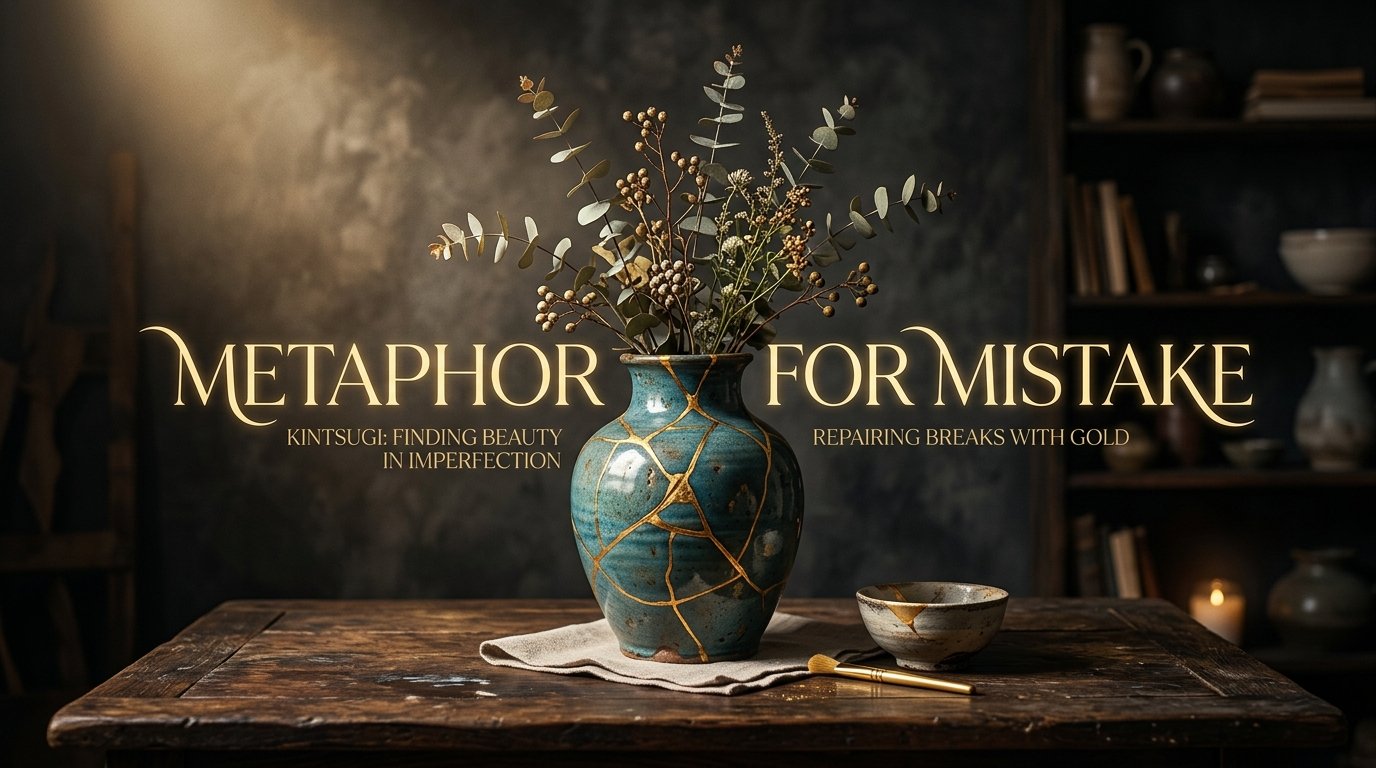
Metaphor for Mistake: Creative Expressions, Meanings, and Examples
A metaphor for a mistake is a creative way to describe an error without simply saying “mistake” or “error.
Instead, you compare the mistake to something people can easily picture, such as a wrong turn, a crack in a wall, a missed step, or a bump in the road.
People search for these metaphors when they need stronger language for essays, stories, speeches, conversations, social media posts, or personal writing.
The right metaphor can make a simple mistake feel clear, emotional, funny, or thoughtful.
For example, “a wrong turn” suggests a mistake that can be corrected, while “a crack in the foundation” suggests a deeper problem.
This updated 2026 guide explains more than 60 metaphors for mistakes, what each one means, when to use it, when to avoid it, and how to put it into a natural sentence.
You will also find quick-reference tables and real-life conversations so you can choose an expression that fits your exact situation.
Definition & Meaning
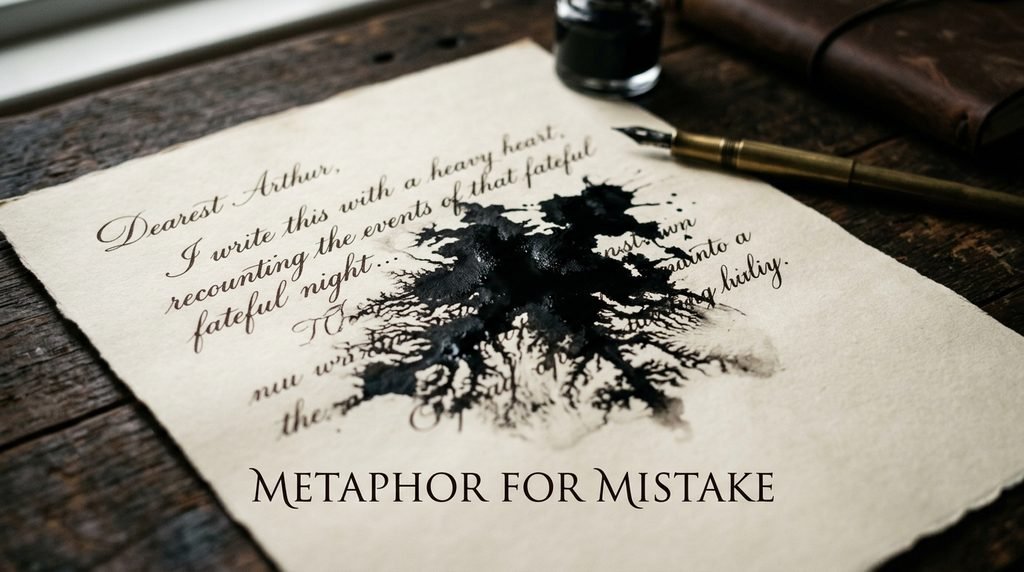
A metaphor for a mistake compares an error to another thing without using “like” or “as.” It helps readers or listeners picture the mistake more clearly. Common ideas include a wrong turn, missed step, crack, detour, broken link, or stain.
A mistake can be small, harmless, serious, emotional, or useful. Your metaphor should match the situation.
| Metaphor | Basic idea | Best for |
|---|---|---|
| A wrong turn | A choice that took you in the wrong direction | Everyday mistakes |
| A missed step | A small error in a process | Work or school |
| A crack in the wall | A problem that needs attention | Relationships or plans |
| A bump in the road | A temporary problem | Encouragement |
| A detour | A mistake that changes your path | Life stories |
| A broken link | Something that no longer connects correctly | Ideas or systems |
| A false start | Beginning incorrectly | Projects or plans |
| A loose thread | A small issue that may grow | Writing or problems |
| A stain on the page | A visible error | Writing |
| A blind spot | Something you failed to notice | Personal reflection |
Why We Use a Metaphor for Mistake
Metaphors make mistakes easier to understand and more memorable. Instead of calling an error simply “bad,” a metaphor shows what the mistake feels like or what it does. This makes language more vivid in conversation, school writing, stories, speeches, social posts, and professional communication.
Practical purpose
A good metaphor can show whether a mistake is:
- Small or serious
- Temporary or lasting
- Easy or hard to fix
- Accidental or careless
- Painful or useful
- Personal or professional
Everyday usage
In normal conversation, simple metaphors work best.
“Missing that deadline was a bump in the road.”
This sounds less harsh than:
“Missing that deadline was a disaster.”
Writing
Metaphors add images to essays, stories, poems, and personal reflections.
“My first attempt was a rough draft with a few cracks.”
Speaking
A metaphor can make an explanation easier to remember.
“I took a wrong turn, but I found my way back.”
School
Students can use metaphors to make personal essays and creative writing more interesting.
Social media
Short metaphors work well in captions and posts:
“Every mistake is a detour, not the end of the road.”
Professional communication
Use calm, neutral metaphors at work. Avoid dramatic expressions when discussing serious errors.
“We hit a bump in the process, but the issue has been fixed.”
Main Section: 60+ Metaphors for Mistake
Below are 65 metaphors for mistakes, with meanings, explanations, sample sentences, usage advice, alternatives, difficulty, and tone.
1. A Wrong Turn
Meaning: A choice that takes you in the wrong direction.
Real explanation: This metaphor treats a mistake as choosing the wrong path.
Sample sentence: “Quitting my job without a plan was a wrong turn.”
When to use it: Personal choices and life decisions.
When NOT to use it: When describing a very serious or permanent loss.
Alternatives: Wrong path; poor choice; mistaken direction.
Difficulty: Easy
Tone: Neutral
2. A Bump in the Road
Meaning: A small problem that makes progress harder.
Real explanation: The mistake is presented as something temporary.
Sample sentence: “The failed test was just a bump in the road.”
When to use it: Encouragement and everyday problems.
When NOT to use it: For severe consequences that need direct language.
Alternatives: Small setback; minor obstacle; hurdle.
Difficulty: Easy
Tone: Informal/Neutral
3. A Missed Step
Meaning: An error caused by skipping or failing to notice something.
Real explanation: The mistake is compared to missing one step while climbing.
Sample sentence: “Leaving out that detail was a missed step.”
When to use it: School, work, instructions, and processes.
When NOT to use it: When the mistake was intentional.
Alternatives: Oversight; skipped step; omission.
Difficulty: Easy
Tone: Neutral
4. A Detour
Meaning: A mistake that sends you on a different path.
Real explanation: You may not reach your goal directly, but the journey can continue.
Sample sentence: “That failed business idea became a detour in my career.”
When to use it: Life changes and personal growth.
When NOT to use it: When you need to admit direct responsibility.
Alternatives: Change of course; diversion; setback.
Difficulty: Easy
Tone: Neutral
5. A Crack in the Wall
Meaning: A small problem that may become larger.
Real explanation: A crack can begin small but may signal a deeper issue.
Sample sentence: “That lie was the first crack in their friendship.”
When to use it: Relationships, trust, and long-term problems.
When NOT to use it: Very small harmless errors.
Alternatives: Warning sign; weakness; flaw.
Difficulty: Medium
Tone: Neutral
6. A False Start
Meaning: An unsuccessful beginning.
Sample sentence: “Our first plan was a false start.”
When to use it: Projects, relationships, plans, and learning.
When NOT to use it: When something was completed successfully despite one small error.
Alternatives: Failed beginning; rough start; poor beginning.
Difficulty: Easy
Tone: Neutral
7. A Loose Thread
Meaning: A small problem that remains unresolved.
Sample sentence: “That missing fact was a loose thread in the report.”
When to use it: Writing, investigations, and plans.
When NOT to use it: When there is no unresolved issue.
Alternatives: Unfinished detail; weak point; gap.
Difficulty: Medium
Tone: Neutral
8. A Stain on the Page
Meaning: A visible mistake that affects otherwise good work.
Sample sentence: “That careless sentence felt like a stain on an otherwise strong essay.”
When to use it: Creative writing and personal reflection.
When NOT to use it: Formal workplace communication.
Alternatives: Blemish; flaw; mark.
Difficulty: Medium
Tone: Literary
9. A Blind Spot
Meaning: Something important that you failed to notice.
Sample sentence: “My biggest mistake was a blind spot in my planning.”
When to use it: Self-reflection and decision-making.
When NOT to use it: When you clearly knew about the issue.
Alternatives: Oversight; gap; missed detail.
Difficulty: Easy
Tone: Neutral
10. A Broken Link
Meaning: Something that no longer connects correctly.
Sample sentence: “The missing step created a broken link in the process.”
When to use it: Ideas, systems, technology, and communication.
When NOT to use it: Emotional mistakes where a warmer metaphor is better.
Alternatives: Missing connection; weak link; gap.
Difficulty: Medium
Tone: Neutral
11. A Slip on the Stairs
Meaning: A sudden mistake caused by carelessness or loss of attention.
Sample sentence: “Forgetting the meeting was a slip on the stairs.”
When to use it: Small personal mistakes.
When NOT to use it: Serious professional errors.
Alternatives: Slip-up; stumble; lapse.
Difficulty: Medium
Tone: Informal
12. A Stumble
Meaning: A mistake that slows progress.
Sample sentence: “My first presentation was a stumble, not a failure.”
When to use it: Learning and encouragement.
When NOT to use it: Formal reports.
Alternatives: Setback; slip; misstep.
Difficulty: Easy
Tone: Neutral
13. A Misstep
Meaning: A wrong action or decision.
Sample sentence: “Ignoring customer feedback was a serious misstep.”
When to use it: Business, writing, and serious conversations.
When NOT to use it: Very casual situations where simpler language sounds better.
Alternatives: Error; mistake; wrong move.
Difficulty: Easy
Tone: Neutral/Formal
14. A Wrong Puzzle Piece
Meaning: Something that does not fit correctly.
Sample sentence: “That assumption was the wrong puzzle piece in our plan.”
When to use it: Ideas, projects, and explanations.
When NOT to use it: Formal technical writing.
Alternatives: Mismatch; wrong fit; missing piece.
Difficulty: Easy
Tone: Informal
15. A Bent Compass
Meaning: A mistake that sends your judgment in the wrong direction.
Sample sentence: “Fear became a bent compass in my decision-making.”
When to use it: Personal reflection.
When NOT to use it: Simple everyday errors.
Alternatives: Poor guide; wrong direction; flawed judgment.
Difficulty: Medium
Tone: Literary
16. A Flat Tire
Meaning: A problem that suddenly slows progress.
Sample sentence: “The lost data was a flat tire on our project.”
When to use it: Work and projects.
When NOT to use it: Formal reports that need exact wording.
Alternatives: Setback; obstacle; delay.
Difficulty: Easy
Tone: Informal
17. A Broken Gear
Meaning: An error that stops part of a system from working.
Sample sentence: “One wrong setting became a broken gear in the whole process.”
When to use it: Teams and systems.
When NOT to use it: Personal emotional mistakes.
Alternatives: Fault; weak point; failure point.
Difficulty: Medium
Tone: Neutral
18. A Wrong Note
Meaning: Something that feels out of place.
Sample sentence: “His angry reply was a wrong note in an otherwise friendly meeting.”
When to use it: Speech, writing, music, and social situations.
When NOT to use it: Technical errors.
Alternatives: Misstep; awkward moment; poor choice.
Difficulty: Easy
Tone: Literary
19. A Cloud Over the Plan
Meaning: A mistake that creates uncertainty.
Sample sentence: “The missing numbers put a cloud over the plan.”
When to use it: Plans and decisions.
When NOT to use it: When the issue is already solved.
Alternatives: Doubt; concern; uncertainty.
Difficulty: Medium
Tone: Neutral
20. A Stone in the Shoe
Meaning: A small problem that keeps causing discomfort.
Sample sentence: “That unresolved argument became a stone in my shoe.”
When to use it: Personal problems and relationships.
When NOT to use it: Serious crises.
Alternatives: Irritation; nagging problem; annoyance.
Difficulty: Medium
Tone: Informal
21. A Scratch on the Record
Meaning: A mistake that leaves a noticeable mark.
Sample sentence: “The failed launch was a scratch on the company’s record.”
When to use it: Careers, business, and achievements.
When NOT to use it: Very small private mistakes.
Alternatives: Mark; blemish; setback.
Difficulty: Medium
Tone: Neutral
22. A Leak in the Boat
Meaning: A problem that threatens the whole effort if ignored.
Sample sentence: “Poor communication was a leak in the boat.”
When to use it: Teams and organizations.
When NOT to use it: Tiny mistakes with no wider effect.
Alternatives: Weakness; vulnerability; flaw.
Difficulty: Medium
Tone: Literary
23. A Broken Bridge
Meaning: A mistake that damages communication or connection.
Sample sentence: “That harsh comment became a broken bridge between them.”
When to use it: Relationships.
When NOT to use it: Routine work errors.
Alternatives: Lost connection; damaged trust; divide.
Difficulty: Easy
Tone: Literary
24. A Wrong Door
Meaning: Choosing the wrong option.
Sample sentence: “I knocked on the wrong door by trusting that offer.”
When to use it: Choices and opportunities.
When NOT to use it: Technical mistakes.
Alternatives: Wrong choice; wrong path; dead end.
Difficulty: Easy
Tone: Informal
25. A Dead End
Meaning: A decision or path that cannot lead to the desired result.
Sample sentence: “That business plan turned out to be a dead end.”
When to use it: Plans and strategies.
When NOT to use it: Minor mistakes.
Alternatives: Failure point; blocked path; blind alley.
Difficulty: Easy
Tone: Neutral
26. A Wrong Recipe
Meaning: Using the wrong combination of choices.
Sample sentence: “We had the wrong recipe for a successful launch.”
When to use it: Projects and strategies.
When NOT to use it: Personal grief or sensitive situations.
Alternatives: Wrong formula; poor mix; bad approach.
Difficulty: Easy
Tone: Informal
27. A Cracked Mirror
Meaning: A mistake that changes how you see yourself or a situation.
Sample sentence: “That failure became a cracked mirror for my confidence.”
When to use it: Emotional writing.
When NOT to use it: Business emails.
Alternatives: Distorted view; flaw; damaged image.
Difficulty: Medium
Tone: Literary
28. A Shadow on the Page
Meaning: A mistake that affects otherwise good writing.
Sample sentence: “That careless claim was a shadow on the page.”
When to use it: Essays, stories, and poetry.
When NOT to use it: Everyday speech.
Alternatives: Flaw; blemish; weak spot.
Difficulty: Medium
Tone: Literary
29. A Missing Brick
Meaning: A missing part that weakens a larger structure.
Sample sentence: “That missing fact was a brick missing from the argument.”
When to use it: Essays, plans, and reasoning.
When NOT to use it: Very simple mistakes.
Alternatives: Missing piece; gap; omission.
Difficulty: Easy
Tone: Neutral
30. A Wobbly Foundation
Meaning: A basic mistake that causes later problems.
Sample sentence: “Poor research gave the project a wobbly foundation.”
When to use it: Planning and education.
When NOT to use it: Small surface errors.
Alternatives: Weak base; poor foundation; flawed start.
Difficulty: Medium
Tone: Neutral
31. A Wrong Map
Meaning: Information or assumptions that lead you in the wrong direction.
Sample sentence: “We were following a wrong map when we planned the project.”
When to use it: Strategy and decision-making.
When NOT to use it: A simple typo.
Alternatives: Bad guide; flawed plan; wrong direction.
Difficulty: Easy
Tone: Neutral
32. A Fork in the Road
Meaning: A choice where one option may lead to a mistake.
Sample sentence: “At the fork in the road, I chose badly.”
When to use it: Life choices.
When NOT to use it: When the mistake happened without a choice.
Alternatives: Turning point; choice; crossroads.
Difficulty: Easy
Tone: Literary
33. A Dropped Thread
Meaning: Forgetting an important detail.
Sample sentence: “I dropped a thread when I forgot to call the client.”
When to use it: Work and storytelling.
When NOT to use it: Major failures.
Alternatives: Oversight; omission; forgotten detail.
Difficulty: Medium
Tone: Neutral
34. A Faded Warning Sign
Meaning: Ignoring a warning that was already present.
Sample sentence: “The early complaints were a faded warning sign we ignored.”
When to use it: Reflection.
When NOT to use it: When no warning existed.
Alternatives: Missed signal; ignored clue; warning.
Difficulty: Medium
Tone: Literary
35. A Hole in the Net
Meaning: A weakness that allows a problem to pass through.
Sample sentence: “That missing check was a hole in our safety net.”
When to use it: Systems and processes.
When NOT to use it: Casual conversation.
Alternatives: Gap; weakness; vulnerability.
Difficulty: Medium
Tone: Neutral
36. A Torn Page
Meaning: A damaged part of an otherwise complete story.
Sample sentence: “That argument felt like a torn page in our friendship.”
When to use it: Emotional or literary writing.
When NOT to use it: Business reports.
Alternatives: Broken part; damaged chapter; setback.
Difficulty: Medium
Tone: Literary
37. A Rough Draft
Meaning: An imperfect first attempt.
Sample sentence: “My first plan was only a rough draft.”
When to use it: Learning and creative work.
When NOT to use it: When the mistake happened after repeated review.
Alternatives: First attempt; trial run; early version.
Difficulty: Easy
Tone: Neutral
38. A Trial Run Gone Wrong
Meaning: An attempt that did not work as planned.
Sample sentence: “The first event was a trial run gone wrong.”
When to use it: Projects and experiments.
When NOT to use it: Personal or emotional situations.
Alternatives: Failed attempt; test run; unsuccessful try.
Difficulty: Easy
Tone: Informal
39. A Wrong Ingredient
Meaning: One bad element in an otherwise workable combination.
Sample sentence: “Poor timing was the wrong ingredient in our plan.”
When to use it: Plans and relationships.
When NOT to use it: Formal technical writing.
Alternatives: Bad element; poor choice; weak factor.
Difficulty: Easy
Tone: Informal
40. A Broken Compass
Meaning: A poor guide that leads to wrong decisions.
Sample sentence: “Anger became a broken compass for my choices.”
When to use it: Personal reflection.
When NOT to use it: Simple spelling mistakes.
Alternatives: Poor guide; bad direction; flawed judgment.
Difficulty: Easy
Tone: Literary
41. A Detour Sign
Meaning: An event that forces you to change direction.
Sample sentence: “The rejection was a detour sign, not the end of my journey.”
When to use it: Encouragement.
When NOT to use it: When direct responsibility must be emphasized.
Alternatives: Turning point; warning; change of path.
Difficulty: Medium
Tone: Neutral
42. A Pebble in the Shoe
Meaning: A small but annoying problem.
Sample sentence: “That typo was a pebble in the shoe of an otherwise good report.”
When to use it: Small mistakes.
When NOT to use it: Major failures.
Alternatives: Minor flaw; annoyance; small problem.
Difficulty: Easy
Tone: Informal
43. A Knot in the Thread
Meaning: A problem that makes progress harder.
Sample sentence: “The missing approval was a knot in the thread.”
When to use it: Work and plans.
When NOT to use it: Casual everyday speech unless you want a creative style.
Alternatives: Complication; obstacle; snag.
Difficulty: Medium
Tone: Literary
44. A Snag in the Plan
Meaning: A small unexpected problem.
Sample sentence: “We hit a snag in the plan.”
When to use it: Everyday and workplace conversations.
When NOT to use it: Serious incidents requiring precise wording.
Alternatives: Setback; obstacle; problem.
Difficulty: Easy
Tone: Neutral
45. A Hole in the Argument
Meaning: A weak point in reasoning.
Sample sentence: “That unsupported claim was a hole in my argument.”
When to use it: Essays, debates, and analysis.
When NOT to use it: Physical mistakes.
Alternatives: Weak point; gap; flaw.
Difficulty: Easy
Tone: Neutral/Formal
46. A Fault Line
Meaning: A hidden weakness that can cause a larger break.
Sample sentence: “Their lack of trust was a fault line in the relationship.”
When to use it: Deep conflicts and relationships.
When NOT to use it: Tiny mistakes.
Alternatives: Weakness; dividing line; hidden problem.
Difficulty: Medium
Tone: Literary
47. A Domino
Meaning: One mistake that causes several later problems.
Sample sentence: “One missed deadline became the first domino.”
When to use it: Cause-and-effect situations.
When NOT to use it: Isolated mistakes.
Alternatives: Chain reaction; trigger; first step.
Difficulty: Easy
Tone: Neutral
48. A Snowball
Meaning: A small mistake that grows larger over time.
Sample sentence: “Ignoring the small error let it become a snowball.”
When to use it: Problems that grow.
When NOT to use it: Problems that stayed small.
Alternatives: Growing problem; chain reaction; buildup.
Difficulty: Easy
Tone: Informal
49. A Ripple
Meaning: A small mistake that affects other things.
Sample sentence: “That small error sent ripples through the project.”
When to use it: Consequences.
When NOT to use it: When nothing else was affected.
Alternatives: Effect; impact; chain reaction.
Difficulty: Easy
Tone: Neutral
50. A Bruise
Meaning: A mistake that leaves an emotional or lasting effect.
Sample sentence: “The failed interview was a bruise to my confidence.”
When to use it: Personal reflection.
When NOT to use it: Formal workplace reports.
Alternatives: Setback; hurt; painful lesson.
Difficulty: Easy
Tone: Literary
51. A Scar
Meaning: A past mistake that leaves a lasting mark.
Sample sentence: “That decision became a scar from my younger years.”
When to use it: Deep personal reflection.
When NOT to use it: Light mistakes.
Alternatives: Lasting mark; memory; reminder.
Difficulty: Easy
Tone: Emotional/Literary
52. A Burnt Bridge
Meaning: A mistake that damages a relationship or opportunity.
Sample sentence: “His angry message burned a bridge with the client.”
When to use it: Relationships and professional connections.
When NOT to use it: When the relationship remains healthy.
Alternatives: Lost connection; damaged relationship; broken tie.
Difficulty: Easy
Tone: Informal
53. A Closed Door
Meaning: A mistake that removes an opportunity.
Sample sentence: “Missing the application deadline closed a door for me.”
When to use it: Missed opportunities.
When NOT to use it: When another opportunity is still available.
Alternatives: Lost chance; missed opportunity; setback.
Difficulty: Easy
Tone: Neutral
54. A Red Flag
Meaning: A warning sign connected to a possible mistake or problem.
Sample sentence: “Ignoring the strange numbers was a red flag.”
When to use it: Warnings and risky situations.
When NOT to use it: After the mistake has already happened unless discussing the warning.
Alternatives: Warning sign; signal; clue.
Difficulty: Easy
Tone: Informal
55. A Missing Piece
Meaning: An important part that was forgotten.
Sample sentence: “The final report had a missing piece.”
When to use it: School and work.
When NOT to use it: When the problem is an incorrect part rather than a missing one.
Alternatives: Gap; omission; missing detail.
Difficulty: Easy
Tone: Neutral
56. A Weak Link
Meaning: One weak part that affects a larger system.
Sample sentence: “Poor communication became the weak link in the project.”
When to use it: Teams and systems.
When NOT to use it: Personal emotional mistakes.
Alternatives: Weak point; vulnerable part; flaw.
Difficulty: Easy
Tone: Neutral
57. A Cracked Gear
Meaning: A damaged part that affects how a system works.
Sample sentence: “The wrong setting was a cracked gear in our process.”
When to use it: Technical or organizational metaphors.
When NOT to use it: Casual personal conversation.
Alternatives: Fault; damaged part; weak point.
Difficulty: Medium
Tone: Neutral
58. A Wrong Move
Meaning: A poor action or decision.
Sample sentence: “Sharing that private message was a wrong move.”
When to use it: Everyday speech.
When NOT to use it: Formal reports where exact wording matters.
Alternatives: Bad choice; misstep; poor decision.
Difficulty: Easy
Tone: Informal
59. A Misfired Arrow
Meaning: An effort that misses its intended target.
Sample sentence: “My first marketing idea was a misfired arrow.”
When to use it: Creative writing and strategy.
When NOT to use it: Sensitive real-world situations.
Alternatives: Missed target; failed attempt; wrong shot.
Difficulty: Medium
Tone: Literary
60. A Missed Target
Meaning: An action that fails to achieve its goal.
Sample sentence: “The first campaign was a missed target.”
When to use it: Business, marketing, and goals.
When NOT to use it: Emotional situations.
Alternatives: Failed attempt; wrong aim; miss.
Difficulty: Easy
Tone: Neutral
61. A Broken Ladder Rung
Meaning: A mistake that makes progress difficult.
Sample sentence: “Poor preparation was a broken ladder rung on my way to success.”
When to use it: Personal growth and education.
When NOT to use it: Minor spelling errors.
Alternatives: Obstacle; setback; barrier.
Difficulty: Medium
Tone: Literary
62. A Wrong Turnoff
Meaning: Taking the wrong option at a key moment.
Sample sentence: “Leaving the course was a wrong turnoff in my career.”
When to use it: Life choices.
When NOT to use it: Technical mistakes.
Alternatives: Wrong turn; poor choice; bad direction.
Difficulty: Medium
Tone: Informal
63. A Broken Clock
Meaning: A mistake caused by relying on something unreliable.
Sample sentence: “My old notes were a broken clock guiding my research.”
When to use it: Information and judgment.
When NOT to use it: A direct personal apology.
Alternatives: Faulty guide; unreliable source; bad reference.
Difficulty: Medium
Tone: Literary
64. A Smudge
Meaning: A small, visible imperfection.
Sample sentence: “That typo was only a smudge on an otherwise strong article.”
When to use it: Minor mistakes.
When NOT to use it: Major errors.
Alternatives: Mark; blemish; flaw.
Difficulty: Easy
Tone: Neutral
65. A Lesson in Disguise
Meaning: A mistake that teaches something useful.
Sample sentence: “That failed interview was a lesson in disguise.”
When to use it: Encouragement and personal growth.
When NOT to use it: When someone has suffered serious harm and the situation needs sensitivity.
Alternatives: Learning experience; valuable lesson; wake-up call.
Difficulty: Easy
Tone: Positive
Real-Life Conversations
1. Friends
A: “I can’t believe I sent that message.”
B: “Don’t worry. It was a wrong move, but you can explain.”
A: “I guess it was just a bump in the road.”
B: “Exactly. Learn from it and move on.”
2. Family
Son: “I feel terrible about wasting that money.”
Father: “Everyone makes a wrong turn sometimes.”
Son: “But it was a big one.”
Father: “Then make it a lesson in disguise. Don’t repeat it.”
3. Student and Teacher
Student: “I missed one step in the math problem.”
Teacher: “That’s okay. It was a missed step, not a failure.”
Student: “So I should check my work next time?”
Teacher: “Yes. Find the missing piece and try again.”
4. Office
Manager: “The report went out with the wrong number.”
Employee: “I’m sorry. I should have checked it twice.”
Manager: “We have a snag in the process. Let’s fix the process so it doesn’t happen again.”
Employee: “I’ll update the review checklist.”
5. Social Media
“That post got a lot of negative comments.”
“Yeah, but one bad post doesn’t define you.”
“Maybe it was a rough draft in public.”
“Exactly. Learn from it and make the next one better.”
Everyday Usage
Metaphors for mistakes can appear in many kinds of communication, but the best expression depends on the setting.
Conversation
Use simple expressions such as:
- “a wrong turn”
- “a bump in the road”
- “a misstep”
- “a snag”
- “a wrong move”
These sound natural in everyday speech.
Writing
Creative writing gives you more freedom. Expressions such as “a cracked mirror,” “a torn page,” “a broken bridge,” and “a scar” can create a stronger image.
Books
Authors often use mistake metaphors to show character growth. A character may make a wrong turn, reach a dead end, or carry a scar from an earlier decision.
Movies
Dialogue usually favors short expressions such as:
“That was a wrong move.”
“We hit a snag.”
“You took a wrong turn.”
Poetry
Poetry can use more emotional images:
“My mistake was a crack in the mirror.”
“I carried that choice like a scar.”
Emails
Keep professional emails clear. Instead of a dramatic metaphor, use a calm expression:
“We encountered a small snag in the process.”
Text Messages
Informal metaphors work well:
“Oops. Wrong move 😂”
“Guess I took a wrong turn.”
Short, emotional metaphors fit captions:
“Some wrong turns lead to better roads.”
Reflective expressions can work well:
“Every mistake leaves a lesson behind.”
X
Short metaphors are useful because the message is easy to scan:
“A mistake is a detour, not a destination.”
Professional metaphors should focus on learning:
“A failed launch can be a rough draft for the next one.”
School Assignments
For an essay, choose a metaphor that supports the main idea. For example:
“My first public speech was a rough draft of the speaker I wanted to become.”
How to Choose the Right Metaphor for a Mistake
The best metaphor depends on what kind of mistake you are describing.
small mistake, try:
- A smudge
- A pebble in the shoe
- A bump in the road
- A missed step
wrong decision, try:
- A wrong turn
- A wrong door
- A wrong move
- A dead end
mistake that grows, try:
- A snowball
- A domino
- A ripple
- A crack in the wall
relationship mistake, try:
- A broken bridge
- A burnt bridge
- A fault line
- A crack in the wall
mistake that teaches you something, try:
- A rough draft
- A detour
- A lesson in disguise
- A stumble
writing mistake, try:
- A stain on the page
- A smudge
- A shadow on the page
- A missing piece
professional mistake, safer choices include:
- A misstep
- A snag
- A missed step
- A weak link
- A bump in the road
Metaphor for Mistake vs. Simile
A metaphor directly describes one thing as another thing. A simile uses “like” or “as.”
Metaphor:
“My mistake was a wrong turn.”
Simile:
“My mistake was like taking a wrong turn.”
Both create an image, but the metaphor is more direct.
Metaphor for Mistake vs. Idiom
A metaphor is a comparison. An idiom is a common expression whose meaning may not be literal.
For example:
“A bump in the road” can work as a metaphor for a temporary problem.
“I messed up” is a direct informal expression, not a metaphor.
Knowing the difference helps you choose the right expression for your writing.
FAQs:
What is a good metaphor for a mistake?
A wrong turn is one of the clearest metaphors for a mistake because it shows that someone chose the wrong direction but can still change course. For a small problem, “a bump in the road” works well. For a mistake that teaches something, “a lesson in disguise” is useful.
What is a metaphor for learning from mistakes?
A rough draft is a useful metaphor for learning from mistakes because a rough draft is not perfect, but it can be improved. Another option is “a lesson in disguise,” which focuses on what the mistake teaches you.
What is a metaphor for a big mistake?
For a major mistake, you can use “a wrong turn,” “a dead end,” “a broken bridge,” or “a crack in the foundation.” The best choice depends on the result. A dead end suggests that a path cannot continue, while a broken bridge suggests damaged trust or connection.
What is a metaphor for a small mistake?
Good choices include “a smudge,” “a pebble in the shoe,” “a missed step,” and “a bump in the road.” These expressions make the mistake sound limited rather than overwhelming.
What is a metaphor for a mistake in life?
“A detour” is a strong life metaphor. It suggests that a mistake changed your direction but does not necessarily prevent you from reaching a meaningful goal.
What metaphor means a mistake that gets worse?
A snowball describes a small problem that grows as it continues. A domino is useful when one mistake causes several other problems.
What is a metaphor for a mistake in a relationship?
“A broken bridge” suggests that communication or trust has been damaged. “A crack in the wall” can suggest a smaller problem that may grow if people ignore it.
What is a positive metaphor for mistakes?
“A rough draft” and “a lesson in disguise” are positive choices. They focus on learning and improvement instead of treating the mistake as the end of the story.
Final Takeaway:
A metaphor for a mistake turns a simple error into a clear picture.
“A wrong turn” works for a bad choice, “a bump in the road” works for a small setback, “a snowball” shows a problem that grows, “a broken bridge”
fits damaged relationships, and “a rough draft” presents mistakes as part of learning.
The most natural metaphor is usually the simplest one.
Think about what happened, how serious it was, and what feeling you want the reader or listener to understand. Then choose an image that matches that meaning.
Discover more post:
| https://metaphorcraftz.com/metaphor-for-something-shiny/ |
| https://metaphorcraftz.com/metaphor-for-shattered-glass/ |
| https://metaphorcraftz.com/metaphor-for-childhood/ |

Juliet is a passionate English language writer and literary content creator with over 5 years of experience in writing about metaphors, figurative language, literary devices, English expressions, and creative writing. As the author behind MetaphorCraftz, she is dedicated to making complex literary concepts simple, clear, and enjoyable for readers of all levels.
Related Post

Metaphor for Long Time: Creative Ways to Describe
Sometimes the plain phrase a long time does not fully show how long something feels.…
One thought on “Metaphor for Mistake: Creative Expressions, Meanings, and Examples”