
Metaphor for Feeling Stuck: Powerful Expressions With Meanings
MetaphorCraftz.com >> Uncategorized>> Metaphor for Feeling Stuck: Powerful Expressions With Meanings
Metaphor for Feeling Stuck: Powerful Expressions With Meanings
Search intent: The main intent behind “metaphor for feeling stuck” is to find creative
English expressions that describe being unable to move forward, make a decision, change a situation, or escape a difficult feeling.
This article gives simple metaphors, meanings, examples, usage notes, alternatives, tone, conversations, and everyday contexts.
Definition & Meaning
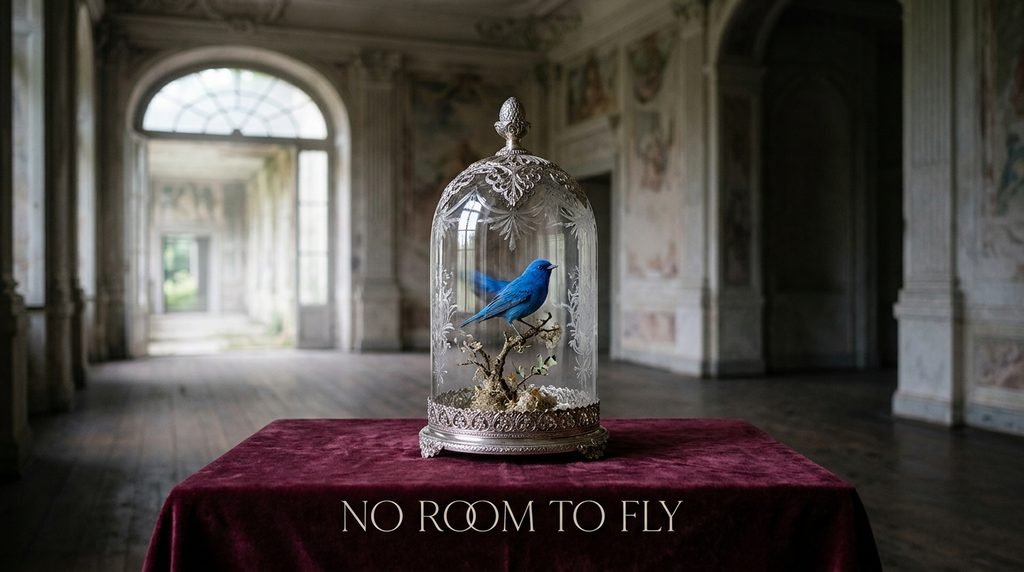
A metaphor for feeling stuck compares the experience of being unable to move forward with something that cannot move, escape, grow, or change. Common images include being trapped in a cage, standing at a crossroads, running on a treadmill, or being buried in mud.
Simple definition
A metaphor for feeling stuck is a creative comparison that shows you cannot move forward in life, work, school, relationships, or your thoughts.
For example:
“I feel like I’m trapped in a maze.”
The person is not usually inside a real maze. The maze represents confusion and the feeling of not knowing which way to go.
Another example is:
“I’m running on a treadmill but getting nowhere.”
The treadmill represents effort without real progress.
Quick explanation
People use these metaphors because “I feel stuck” is simple but sometimes too plain. A metaphor gives the feeling a picture.
Compare:
- Plain: “I feel stuck in my career.”
- Metaphor: “I feel like I’m standing on a road that has no exit.”
- Plain: “I cannot make a decision.”
- Metaphor: “I’m standing at a crossroads with no signposts.”
A good metaphor makes an emotion easier to see, feel, and understand.
Summary table
| Expression | Basic meaning | Tone |
|---|---|---|
| Trapped in a cage | Unable to escape | Emotional |
| Stuck in the mud | Making little progress | Informal |
| Running on a treadmill | Working without progress | Neutral |
| At a crossroads | Unsure which direction to take | Neutral |
| Lost in a maze | Confused and unable to find a way out | Neutral |
| Behind a wall | Facing an obstacle | Neutral |
| Spinning my wheels | Wasting effort | Informal |
| Frozen in place | Unable to act | Emotional |
| In a rut | Repeating the same pattern | Neutral |
| Going in circles | Making no progress | Informal |
Why We Use “Metaphor for Feeling Stuck”
People use metaphors for feeling stuck because they turn a hard-to-explain emotion into a clear picture. A metaphor can show confusion, lack of progress, fear, boredom, pressure, or emotional heaviness. It is useful in conversation, writing, poetry, schoolwork, social media, and professional communication.
Practical purpose
A metaphor can help you explain why you feel stuck, not just say that you feel stuck.
For example:
“I feel like I’m pushing against a locked door.”
This suggests effort, frustration, and an obstacle.
Everyday usage
In everyday speech, simple expressions work best:
- “I feel stuck in a rut.”
- “I’m going in circles.”
- “I’m spinning my wheels.”
- “I can’t seem to move forward.”
Writing
Writers often use stronger images:
“She stood at the edge of a road that seemed to disappear into fog.”
This can represent uncertainty about the future.
Speaking
In conversation, natural expressions are usually short:
“I feel like I’m running on a treadmill.”
The listener quickly understands that the speaker is working hard but seeing little change.
School
Students can use metaphors in:
- essays
- creative writing
- poetry
- personal narratives
- speeches
- journal writing
A metaphor can make an ordinary sentence more vivid.
Social media
Short metaphors work well for posts and captions:
“Same road. Same walls. Still trying to find a way out.”
Professional communication
Workplace metaphors can describe slow progress without sounding overly emotional:
“The project feels like it has hit a wall.”
This is often more natural than saying:
“The project is completely stuck.”
Main Section

The following 60 metaphors describe different kinds of feeling stuck. Each one includes its meaning, a natural example, when to use it, when to avoid it, alternatives, difficulty, and tone.
1. Trapped in a Cage
Meaning: You feel unable to escape a situation.
Real explanation: The cage represents limits that stop you from moving freely.
Sample sentence: “I feel trapped in a cage and don’t know how to get out.”
When to use it: Emotional or personal situations.
When NOT to use it: Formal reports where a literal explanation is clearer.
Alternatives: “boxed in,” “confined,” “trapped.”
Difficulty: Easy
Tone: Emotional
2. Stuck in the Mud
Meaning: You are trying to move forward but making little progress.
Real explanation: Mud makes every step difficult.
Sample sentence: “I’ve been working on this problem for days, but I feel stuck in the mud.”
When to use it: Casual conversation.
When NOT to use it: Very formal writing.
Alternatives: “bogged down,” “held back,” “making slow progress.”
Difficulty: Easy
Tone: Informal
3. Running on a Treadmill
Meaning: You keep working but do not get closer to your goal.
Real explanation: A treadmill lets you run without taking you anywhere.
Sample sentence: “My daily routine feels like running on a treadmill.”
When to use it: Work, school, habits, and life goals.
When NOT to use it: When you actually mean physical exercise.
Alternatives: “going nowhere,” “spinning my wheels,” “running in place.”
Difficulty: Easy
Tone: Neutral
4. Spinning My Wheels
Meaning: You are using effort without making progress.
Real explanation: The wheels turn, but the vehicle does not move forward.
Sample sentence: “I keep trying different plans, but I’m just spinning my wheels.”
When to use it: Work and everyday problems.
When NOT to use it: Very formal academic writing.
Alternatives: “going nowhere,” “wasting effort,” “getting nowhere.”
Difficulty: Easy
Tone: Informal
5. At a Crossroads
Meaning: You must choose a direction but do not know which one.
Real explanation: A crossroads is where roads meet and travelers must choose a path.
Sample sentence: “I’m at a crossroads in my career.”
When to use it: Decisions and life changes.
When NOT to use it: When you are simply bored.
Alternatives: “facing a choice,” “at a turning point,” “undecided.”
Difficulty: Easy
Tone: Neutral
6. Lost in a Maze
Meaning: You are confused and cannot find a way forward.
Real explanation: A maze has many paths, which makes finding the exit difficult.
Sample sentence: “I feel lost in a maze of choices.”
When to use it: Confusion and difficult decisions.
When NOT to use it: When the problem is only a small delay.
Alternatives: “confused,” “lost,” “without direction.”
Difficulty: Easy
Tone: Neutral
7. Facing a Brick Wall
Meaning: You have reached an obstacle that seems impossible to pass.
Real explanation: A brick wall blocks your path.
Sample sentence: “Every time I try to change things, I feel like I’m facing a brick wall.”
When to use it: Problems and obstacles.
When NOT to use it: When you simply need more time.
Alternatives: “hit a wall,” “blocked,” “facing an obstacle.”
Difficulty: Easy
Tone: Neutral
8. Frozen in Place
Meaning: You cannot act or move forward.
Real explanation: Being frozen suggests complete lack of movement.
Sample sentence: “Fear left me frozen in place.”
When to use it: Fear, anxiety, shock, or indecision.
When NOT to use it: Casual descriptions of ordinary delays.
Alternatives: “unable to act,” “paralyzed by fear,” “stuck.”
Difficulty: Easy
Tone: Emotional
9. Stuck in a Rut
Meaning: You keep living or acting in the same unhelpful pattern.
Real explanation: A rut is a deep track that can keep a wheel from changing direction.
Sample sentence: “I’ve been stuck in the same rut for months.”
When to use it: Habits, routines, careers, and personal life.
When NOT to use it: When describing a temporary problem.
Alternatives: “in a routine,” “in a cycle,” “going nowhere.”
Difficulty: Easy
Tone: Neutral
10. Going in Circles
Meaning: You keep returning to the same point.
Real explanation: A circle brings you back instead of taking you forward.
Sample sentence: “We keep discussing the same problem and going in circles.”
When to use it: Arguments, decisions, projects, and conversations.
When NOT to use it: When progress is actually happening.
Alternatives: “getting nowhere,” “repeating ourselves,” “stuck.”
Difficulty: Easy
Tone: Informal
11. Behind a Wall
Meaning: Something is blocking your progress.
Real explanation: The wall represents an obstacle between you and your goal.
Sample sentence: “It feels like my next opportunity is behind a wall.”
When to use it: Goals and personal challenges.
When NOT to use it: Technical situations where a direct term is needed.
Alternatives: “blocked,” “held back,” “hindered.”
Difficulty: Easy
Tone: Neutral
12. In a Dead End
Meaning: You have reached a point where your current path cannot continue.
Real explanation: A dead-end road has nowhere else to go.
Sample sentence: “I feel like I’ve reached a dead end in my career.”
When to use it: Plans, careers, relationships, and decisions.
When NOT to use it: Small temporary setbacks.
Alternatives: “at a dead end,” “out of options,” “blocked.”
Difficulty: Easy
Tone: Neutral
13. In QuickSand
Meaning: The harder you try, the harder it feels to escape.
Real explanation: Quicksand represents a situation that seems to pull you deeper.
Sample sentence: “My problems feel like quicksand.”
When to use it: Difficult situations that keep getting worse.
When NOT to use it: Minor problems.
Alternatives: “in deep trouble,” “stuck,” “in a bind.”
Difficulty: Easy
Tone: Dramatic
14. Under a Heavy Weight
Meaning: You feel emotionally or mentally burdened.
Real explanation: The weight represents responsibilities or worries.
Sample sentence: “I feel like I’m carrying a heavy weight every day.”
When to use it: Emotional writing and serious conversations.
When NOT to use it: Lighthearted situations.
Alternatives: “burdened,” “under pressure,” “weighed down.”
Difficulty: Easy
Tone: Emotional
15. Weighed Down by Chains
Meaning: You feel restricted and unable to move freely.
Real explanation: Chains represent strong limits.
Sample sentence: “I feel weighed down by chains from my past.”
When to use it: Deep emotional or poetic writing.
When NOT to use it: Casual professional messages.
Alternatives: “held back,” “restricted,” “burdened.”
Difficulty: Medium
Tone: Dramatic
16. Drifting in the Fog
Meaning: You do not know where you are going.
Real explanation: Fog hides the road ahead.
Sample sentence: “I’ve been drifting in the fog, unsure what to do next.”
When to use it: Uncertainty and life decisions.
When NOT to use it: When the problem is clearly understood.
Alternatives: “lost,” “uncertain,” “without direction.”
Difficulty: Easy
Tone: Poetic
17. Standing Still
Meaning: You are not making progress.
Real explanation: Standing still means remaining in the same place.
Sample sentence: “Everyone seems to be moving forward while I’m standing still.”
When to use it: Everyday conversation.
When NOT to use it: When you are actually making slow progress.
Alternatives: “not moving forward,” “stuck,” “at a standstill.”
Difficulty: Easy
Tone: Neutral
18. Running in Place
Meaning: You are making an effort but not progressing.
Real explanation: Your body moves, but your position stays the same.
Sample sentence: “I’ve been studying hard, but I feel like I’m running in place.”
When to use it: School, work, fitness, and goals.
When NOT to use it: When progress is measurable.
Alternatives: “spinning my wheels,” “going nowhere,” “treading water.”
Difficulty: Easy
Tone: Neutral
19. Treading Water
Meaning: You are trying to stay in the same position instead of moving forward.
Real explanation: A person treading water works hard just to avoid sinking.
Sample sentence: “I’m not growing in this job; I’m just treading water.”
When to use it: Work and personal goals.
When NOT to use it: When you are actively moving toward a goal.
Alternatives: “maintaining,” “barely keeping up,” “staying afloat.”
Difficulty: Medium
Tone: Neutral
20. Trapped in a Loop
Meaning: The same thing keeps happening again and again.
Real explanation: A loop returns to its starting point.
Sample sentence: “I feel trapped in a loop of the same mistakes.”
When to use it: Habits and repeated problems.
When NOT to use it: One-time problems.
Alternatives: “caught in a cycle,” “repeating a pattern,” “going in circles.”
Difficulty: Easy
Tone: Neutral
21. Caught in a Cycle
Meaning: You keep repeating the same pattern.
Real explanation: A cycle repeats instead of moving toward a new result.
Sample sentence: “I’m caught in a cycle of doubt and delay.”
When to use it: Personal habits and emotional patterns.
When NOT to use it: A single event.
Alternatives: “in a loop,” “in a rut,” “repeating a pattern.”
Difficulty: Easy
Tone: Neutral
22. Staring at a Locked Door
Meaning: You see an opportunity or goal but cannot reach it.
Real explanation: The locked door represents something unavailable.
Sample sentence: “I feel like I’m staring at a locked door with no key.”
When to use it: Goals and frustration.
When NOT to use it: Simple delays.
Alternatives: “blocked,” “shut out,” “facing a barrier.”
Difficulty: Easy
Tone: Emotional
23. Searching for a Key
Meaning: You are looking for a solution.
Real explanation: The key represents the answer that could free you.
Sample sentence: “I’m still searching for the key to move forward.”
When to use it: Problem-solving and personal growth.
When NOT to use it: When you already know the solution.
Alternatives: “looking for an answer,” “seeking a way out,” “finding a solution.”
Difficulty: Easy
Tone: Neutral
24. Trapped in a Room
Meaning: You feel limited by your current situation.
Real explanation: The room represents a life or situation you cannot leave.
Sample sentence: “My routine makes me feel trapped in a room with no windows.”
When to use it: Emotional writing.
When NOT to use it: Formal business writing.
Alternatives: “confined,” “boxed in,” “restricted.”
Difficulty: Easy
Tone: Emotional
25. Walking Through Thick Fog
Meaning: You cannot clearly see your next step.
Real explanation: Thick fog represents uncertainty.
Sample sentence: “Choosing my next career feels like walking through thick fog.”
When to use it: Uncertain decisions.
When NOT to use it: Clear situations.
Alternatives: “uncertain,” “lost,” “without a clear path.”
Difficulty: Easy
Tone: Poetic
26. Stuck on the Same Page
Meaning: You cannot move to the next stage.
Real explanation: A book page represents a stage in your journey.
Sample sentence: “I keep thinking about the past, so I feel stuck on the same page.”
When to use it: Personal growth and relationships.
When NOT to use it: Strictly literal situations.
Alternatives: “unable to move on,” “stuck in the past,” “at the same stage.”
Difficulty: Easy
Tone: Neutral
27. A Car with an Empty Tank
Meaning: You want to move forward but lack energy or resources.
Real explanation: The empty tank prevents the car from moving.
Sample sentence: “I know where I want to go, but I feel like a car with an empty tank.”
When to use it: Lack of energy or motivation.
When NOT to use it: When the main issue is confusion.
Alternatives: “out of energy,” “drained,” “running low.”
Difficulty: Easy
Tone: Informal
28. A Ship Without a Compass
Meaning: You are moving but do not know your direction.
Real explanation: A compass helps a ship find its course.
Sample sentence: “After graduation, I felt like a ship without a compass.”
When to use it: Life direction and uncertainty.
When NOT to use it: When you have a clear plan.
Alternatives: “without direction,” “lost,” “uncertain.”
Difficulty: Medium
Tone: Poetic
29. A Train at a Dead Station
Meaning: Your journey has stopped.
Real explanation: The train represents progress, while the station represents a stopping point.
Sample sentence: “My plans feel like a train waiting at a dead station.”
When to use it: Creative writing.
When NOT to use it: Simple conversation.
Alternatives: “stalled,” “stopped,” “at a standstill.”
Difficulty: Medium
Tone: Poetic
30. A Boat Stuck in the Ice
Meaning: You cannot move despite wanting to.
Real explanation: Ice holds the boat in place.
Sample sentence: “My career feels like a boat stuck in the ice.”
When to use it: Strong descriptions of blocked progress.
When NOT to use it: Casual workplace messages.
Alternatives: “stalled,” “held back,” “unable to move.”
Difficulty: Medium
Tone: Poetic
31. Walking Against the Wind
Meaning: Progress is possible but very difficult.
Real explanation: Strong wind pushes against you.
Sample sentence: “Trying to change my habits feels like walking against the wind.”
When to use it: Difficult effort.
When NOT to use it: When no resistance exists.
Alternatives: “fighting an uphill battle,” “struggling forward,” “facing resistance.”
Difficulty: Easy
Tone: Neutral
32. Climbing a Staircase That Never Ends
Meaning: You keep working without feeling that you have reached your goal.
Real explanation: An endless staircase suggests constant effort without arrival.
Sample sentence: “My goals feel like a staircase that never ends.”
When to use it: Long-term struggles.
When NOT to use it: Short tasks.
Alternatives: “endless climb,” “constant struggle,” “never reaching the top.”
Difficulty: Medium
Tone: Emotional
33. Carrying a Backpack Full of Rocks
Meaning: You feel burdened by problems.
Real explanation: The rocks represent worries or responsibilities.
Sample sentence: “I’ve been carrying a backpack full of rocks for years.”
When to use it: Emotional writing.
When NOT to use it: Formal communication.
Alternatives: “weighed down,” “burdened,” “under pressure.”
Difficulty: Easy
Tone: Emotional
34. Stuck Between Two Doors
Meaning: You cannot choose between two options.
Real explanation: Two doors represent two possible paths.
Sample sentence: “I feel stuck between two doors and afraid to choose.”
When to use it: Decisions.
When NOT to use it: When there are many choices.
Alternatives: “torn between,” “undecided,” “at a crossroads.”
Difficulty: Easy
Tone: Neutral
35. Sitting on the Starting Line
Meaning: You are ready to begin but have not started.
Real explanation: The starting line represents preparation without action.
Sample sentence: “I have the plan, but I’m still sitting on the starting line.”
When to use it: Motivation and procrastination.
When NOT to use it: When you have already begun.
Alternatives: “hesitating,” “waiting to begin,” “holding back.”
Difficulty: Easy
Tone: Neutral
36. Standing on a Bridge That Goes Nowhere
Meaning: You have left one place but cannot reach the next.
Real explanation: The bridge represents transition without completion.
Sample sentence: “I feel like I’m standing on a bridge that goes nowhere.”
When to use it: Major life transitions.
When NOT to use it: Small daily problems.
Alternatives: “in limbo,” “between stages,” “in transition.”
Difficulty: Medium
Tone: Poetic
37. Stuck Between Yesterday and Tomorrow
Meaning: You cannot let go of the past or move toward the future.
Real explanation: Yesterday represents the past and tomorrow represents the future.
Sample sentence: “I’m stuck between yesterday and tomorrow.”
When to use it: Reflective writing.
When NOT to use it: Technical communication.
Alternatives: “living in the past,” “unable to move forward,” “in limbo.”
Difficulty: Easy
Tone: Poetic
38. A Clock That Has Stopped
Meaning: Your life or progress feels frozen.
Real explanation: A stopped clock suggests that time and movement have paused.
Sample sentence: “After losing my job, life felt like a clock that had stopped.”
When to use it: Emotional writing.
When NOT to use it: When you are making steady progress.
Alternatives: “frozen,” “at a standstill,” “paused.”
Difficulty: Easy
Tone: Emotional
39. A Broken Compass
Meaning: You have lost your sense of direction.
Real explanation: A broken compass cannot guide you.
Sample sentence: “I feel like I’m carrying a broken compass.”
When to use it: Career and life choices.
When NOT to use it: When you only need more time.
Alternatives: “lost,” “without direction,” “uncertain.”
Difficulty: Easy
Tone: Poetic
40. Walking on a Road with No Signs
Meaning: You do not know which direction to take.
Real explanation: Road signs normally provide guidance.
Sample sentence: “I’m walking on a road with no signs.”
When to use it: Uncertainty.
When NOT to use it: When directions are clear.
Alternatives: “without guidance,” “lost,” “without a clear path.”
Difficulty: Easy
Tone: Neutral
41. Buried Under Paperwork
Meaning: You have so much work that you cannot move forward.
Real explanation: The paperwork represents an overwhelming workload.
Sample sentence: “I’m buried under paperwork and can’t see the finish line.”
When to use it: Office or school settings.
When NOT to use it: Personal emotional struggles unrelated to work.
Alternatives: “swamped,” “overloaded,” “buried in work.”
Difficulty: Easy
Tone: Informal
42. Buried Under Expectations
Meaning: Other people’s expectations make you feel trapped.
Real explanation: Expectations are pictured as something heavy covering you.
Sample sentence: “I feel buried under everyone’s expectations.”
When to use it: Personal and emotional writing.
When NOT to use it: Simple workload complaints.
Alternatives: “under pressure,” “overwhelmed,” “weighed down.”
Difficulty: Easy
Tone: Emotional
43. Stuck in a Snowdrift
Meaning: You cannot move because circumstances are holding you back.
Real explanation: A snowdrift can surround and stop a vehicle or person.
Sample sentence: “My plans are stuck in a snowdrift.”
When to use it: Creative descriptions of delays.
When NOT to use it: Formal writing.
Alternatives: “stalled,” “blocked,” “held back.”
Difficulty: Medium
Tone: Poetic
44. A Door That Will Not Open
Meaning: You keep trying but cannot access an opportunity.
Real explanation: The closed door represents a blocked opportunity.
Sample sentence: “Every job application feels like another door that will not open.”
When to use it: Career and opportunity discussions.
When NOT to use it: When you have many available choices.
Alternatives: “blocked opportunity,” “closed door,” “rejection.”
Difficulty: Easy
Tone: Neutral
45. Climbing Without Reaching the Top
Meaning: You work hard but do not feel successful.
Real explanation: The climb represents effort, while the top represents the desired result.
Sample sentence: “I feel like I’m climbing without ever reaching the top.”
When to use it: Long-term goals.
When NOT to use it: When the goal has already been achieved.
Alternatives: “endless climb,” “constant struggle,” “working without progress.”
Difficulty: Easy
Tone: Neutral
46. Stuck in the Same Chapter
Meaning: You cannot move to the next stage of life.
Real explanation: Life is compared to a book.
Sample sentence: “I feel stuck in the same chapter of my life.”
When to use it: Personal reflection.
When NOT to use it: Formal business writing.
Alternatives: “unable to move on,” “stuck in the past,” “at the same stage.”
Difficulty: Easy
Tone: Neutral
47. A Record Playing the Same Song
Meaning: The same problem keeps repeating.
Real explanation: A record that repeats the same section creates the feeling of being trapped in repetition.
Sample sentence: “My thoughts feel like a record playing the same song.”
When to use it: Thoughts, habits, and relationships.
When NOT to use it: Very formal writing.
Alternatives: “broken record,” “repeating pattern,” “loop.”
Difficulty: Easy
Tone: Poetic
48. Trapped in a Bubble
Meaning: You feel separated from change or other people.
Real explanation: A bubble creates a small space around you.
Sample sentence: “I feel trapped in a bubble while everyone else moves ahead.”
When to use it: Emotional and social situations.
When NOT to use it: When describing physical confinement.
Alternatives: “isolated,” “cut off,” “boxed in.”
Difficulty: Easy
Tone: Emotional
49. Stuck in the Waiting Room
Meaning: You are waiting for something to change before you can move ahead.
Real explanation: A waiting room represents delay and uncertainty.
Sample sentence: “I feel like I’ve been sitting in the waiting room of my life.”
When to use it: Life transitions.
When NOT to use it: When action is already possible.
Alternatives: “in limbo,” “waiting,” “on hold.”
Difficulty: Easy
Tone: Poetic
50. On Pause
Meaning: Progress has temporarily stopped.
Real explanation: A pause stops an activity without necessarily ending it.
Sample sentence: “My plans are on pause until I figure things out.”
When to use it: Everyday speech.
When NOT to use it: When something has permanently ended.
Alternatives: “on hold,” “paused,” “temporarily stopped.”
Difficulty: Easy
Tone: Neutral
51. On Hold
Meaning: Something cannot continue right now.
Real explanation: A process on hold has been stopped temporarily.
Sample sentence: “My career plans are on hold.”
When to use it: Work, plans, relationships, and projects.
When NOT to use it: When you mean permanent failure.
Alternatives: “paused,” “delayed,” “put aside.”
Difficulty: Easy
Tone: Neutral
52. Caught in a Traffic Jam
Meaning: Progress is blocked by circumstances.
Real explanation: Cars cannot move freely in a traffic jam.
Sample sentence: “My plans feel like they’re caught in a traffic jam.”
When to use it: Delays and obstacles.
When NOT to use it: Deep emotional writing unless the metaphor fits.
Alternatives: “blocked,” “delayed,” “stalled.”
Difficulty: Easy
Tone: Informal
53. A Puzzle Missing a Piece
Meaning: You cannot understand or complete something.
Real explanation: One missing piece prevents the full picture from appearing.
Sample sentence: “My future feels like a puzzle missing its most important piece.”
When to use it: Confusion and uncertainty.
When NOT to use it: When the answer is already known.
Alternatives: “missing a piece,” “incomplete,” “unclear.”
Difficulty: Easy
Tone: Neutral
54. Standing Outside the Gate
Meaning: You want to enter or progress but cannot.
Real explanation: The gate represents access to the next stage.
Sample sentence: “I feel like I’m standing outside the gate of the life I want.”
When to use it: Dreams and goals.
When NOT to use it: Small everyday delays.
Alternatives: “locked out,” “blocked,” “kept outside.”
Difficulty: Medium
Tone: Poetic
55. Walking Through a Tunnel
Meaning: You are going through a difficult period and cannot yet see the end.
Real explanation: A tunnel hides the destination until you reach the other side.
Sample sentence: “I feel like I’m walking through a long tunnel with no light yet.”
When to use it: Difficult periods.
When NOT to use it: When you need a very short expression.
Alternatives: “in the dark,” “going through a hard time,” “in a difficult period.”
Difficulty: Easy
Tone: Emotional
56. Lost in the Woods
Meaning: You do not know which direction to take.
Real explanation: A person lost in the woods may struggle to find the correct path.
Sample sentence: “After graduation, I felt lost in the woods.”
When to use it: Life direction and confusion.
When NOT to use it: When the direction is clear.
Alternatives: “lost,” “without direction,” “confused.”
Difficulty: Easy
Tone: Neutral
57. A Boat Without an Anchor
Meaning: You feel unstable or unsure where you belong.
Real explanation: An anchor normally keeps a boat in place.
Sample sentence: “Without a clear goal, I feel like a boat without an anchor.”
When to use it: Uncertainty and instability.
When NOT to use it: When the main issue is physical restriction.
Alternatives: “unsettled,” “unstable,” “without direction.”
Difficulty: Medium
Tone: Poetic
58. A Garden That Has Stopped Growing
Meaning: Your personal growth feels frozen.
Real explanation: A garden represents growth, while stopped growth represents a lack of change.
Sample sentence: “My creativity feels like a garden that has stopped growing.”
When to use it: Creative and personal writing.
When NOT to use it: Technical communication.
Alternatives: “stagnant,” “not growing,” “at a standstill.”
Difficulty: Medium
Tone: Poetic
59. A River Blocked by a Dam
Meaning: Your natural progress is being stopped by an obstacle.
Real explanation: The river represents movement, while the dam represents the barrier.
Sample sentence: “My ideas feel like a river blocked by a dam.”
When to use it: Creativity, goals, and personal growth.
When NOT to use it: Simple everyday speech.
Alternatives: “blocked flow,” “held back,” “stalled.”
Difficulty: Medium
Tone: Poetic
60. A Seed Beneath Hard Ground
Meaning: You have potential but cannot grow yet.
Real explanation: The seed represents potential, while hard ground represents difficult conditions.
Sample sentence: “I feel like a seed beneath hard ground, waiting for a chance to grow.”
When to use it: Hopeful or reflective writing.
When NOT to use it: Formal workplace communication.
Alternatives: “untapped potential,” “waiting to grow,” “held back.”
Difficulty: Medium
Tone: Poetic
61. A Roadblock in the Path
Meaning: Something prevents you from continuing.
Real explanation: A roadblock directly stops traffic from moving ahead.
Sample sentence: “Fear has become a roadblock in my path.”
When to use it: Goals and personal challenges.
When NOT to use it: When there is no real obstacle.
Alternatives: “barrier,” “obstacle,” “block.”
Difficulty: Easy
Tone: Neutral
62. Stuck in a Broken Elevator
Meaning: You want to move to another level but cannot.
Real explanation: The elevator represents movement between stages, while the broken elevator represents stalled progress.
Sample sentence: “My career feels like a broken elevator stuck between floors.”
When to use it: Creative descriptions of career or life problems.
When NOT to use it: Formal reports.
Alternatives: “stalled,” “stuck between stages,” “unable to advance.”
Difficulty: Medium
Tone: Creative
63. Pushing Against a Locked Door
Meaning: You keep trying but cannot change the situation.
Real explanation: Your effort is represented by pushing, while the locked door represents resistance.
Sample sentence: “I’ve been pushing against a locked door for months.”
When to use it: Strong emotional descriptions.
When NOT to use it: When you want to sound very neutral.
Alternatives: “fighting resistance,” “hitting a wall,” “blocked.”
Difficulty: Easy
Tone: Emotional
64. Stuck in Yesterday
Meaning: You cannot let go of the past.
Real explanation: Yesterday represents old events, memories, or mistakes.
Sample sentence: “I know I need to move forward, but part of me is stuck in yesterday.”
When to use it: Relationships and personal reflection.
When NOT to use it: Technical writing.
Alternatives: “living in the past,” “unable to move on,” “holding on.”
Difficulty: Easy
Tone: Emotional
Real-Life Conversations
1. Friends
Mia: “You seem quiet today. Everything okay?”
Sam: “I don’t know. I just feel stuck.”
Mia: “Stuck how?”
Sam: “Like I’m running on a treadmill. I work every day, but nothing seems to change.”
Mia: “Maybe you need a different path, not more effort.”
This conversation uses “running on a treadmill” because Sam is making an effort but does not feel that he is moving forward.
2. Family
Brother: “Are you still thinking about changing your job?”
Sister: “Yeah, but I’m scared.”
Brother: “What are you scared of?”
Sister: “I feel like I’m standing between two doors. One is safe, and the other could lead to something better.”
Brother: “You don’t have to decide everything today.”
Here, “between two doors” shows uncertainty between two choices.
3. Student and Teacher
Student: “I’ve read the chapter three times, but I still don’t understand it.”
Teacher: “Which part is confusing?”
Student: “The whole thing feels like a maze.”
Teacher: “Good metaphor. Let’s find the first place where you got lost.”
The student uses “like a maze” to describe confusion.
4. Office Conversation
Manager: “How is the project going?”
Employee: “We’ve made some progress, but now we’ve hit a wall.”
Manager: “What is blocking you?”
Employee: “We’re waiting for the data from another team.”
Manager: “Okay. I’ll contact them today.”
“Hit a wall” works well in professional speech because it describes an obstacle without sounding overly dramatic.
5. Text Message
“How are things?”
Honestly, I feel stuck in a rut.”
Same routine?”
Every day. Work, home, sleep, repeat.”
Friend 1: “Let’s go somewhere this weekend.”
The phrase “stuck in a rut” naturally describes a boring or repeated routine.
Everyday Usage
Metaphors for feeling stuck appear in many forms of English. The best expression depends on the situation and the emotion behind it.
Conversation
For everyday speech, choose familiar expressions:
- “I feel stuck.”
- “I’m in a rut.”
- “I’m going in circles.”
- “I feel like I’m running in place.”
- “I’ve hit a wall.”
These sound natural because native speakers often use short metaphors in casual conversation.
Writing
Creative writing gives you more freedom.
Instead of:
“He felt stuck.”
You could write:
“He stood at the edge of a road with no signs, unsure which way to turn.”
The second sentence gives the reader an image.
Books
Authors often use metaphors to show a character’s inner struggle without explaining every emotion directly.
For example:
“She felt trapped in a room with no door.”
The room can represent fear, pressure, loneliness, or another problem depending on the story.
Movies
Characters may say:
“I’m going nowhere.”
or:
“I feel like I’m running in circles.”
These expressions quickly communicate frustration to the audience.
Poetry
Poetry allows more unusual images:
“My feet are roots,
my road is stone,
and every door
forgets my name.”
The metaphor does not have to be literal. Its purpose is to create an emotional picture.
Emails
Professional emails usually need simple, clear language.
Instead of:
“I feel trapped in a maze of endless obstacles.”
write:
“The project has hit a roadblock, and I need help deciding the next step.”
The second version is clearer and more suitable for work.
Text Messages
Short metaphors are natural:
- “I’m stuck in a loop.”
- “I feel like I’m going nowhere.”
- “My brain is running in circles.”
- “I’ve hit a wall.”
Short, emotional metaphors can work well as captions:
“Some roads don’t end. They just stop showing you where to go.”
Or:
“Still moving, but somehow still in the same place.”
Longer personal posts can use metaphors to explain an experience:
“Lately, I feel like I’ve been standing at a crossroads. I know I need to choose a new direction, but I’m still trying to understand which road feels right.”
X
Short expressions work best:
“Running in circles and calling it progress.”
Professional metaphors should remain clear and useful:
“Our project has hit a roadblock, but we now have a clear plan to remove it.”
Avoid highly dramatic expressions such as “I’m trapped in a cage” in ordinary professional updates unless the context truly calls for that tone.
School Assignments
For a school essay, choose a metaphor that matches the subject.
Simple:
“I felt like I was standing at a crossroads.”
More creative:
“My future looked like a road covered in fog, and I could see only a few steps ahead.”
For a personal narrative:
“Every failed attempt felt like another brick in a wall between me and my goal.”
How to Choose the Right Metaphor
The best metaphor depends on what kind of stuck feeling you mean.
cannot escape a situation, use:
“Trapped in a cage.”
keep trying without progress, use:
“Running on a treadmill.”
cannot choose between two paths, use:
“At a crossroads.”
feel confused, use:
“Lost in a maze.”
Something is blocking your progress, use:
“Facing a brick wall.”
keep repeating the same behavior, use:
“Stuck in a rut.”
are carrying emotional pressure, use:
“Carrying a heavy weight.”
do not know where your life is going, use:
“A ship without a compass.”
If you want a hopeful image, use:
“A seed beneath hard ground.”
That last metaphor is useful because it suggests that being stuck does not always mean being finished. A seed may look still while something is happening beneath the surface.
Metaphors for Different Types of Feeling Stuck
Feeling stuck in life
Good choices include:
- “at a crossroads”
- “lost in the fog”
- “a ship without a compass”
- “stuck in the same chapter”
- “standing at a dead end”
Feeling stuck in a relationship
Useful expressions include:
- “trapped in a cycle”
- “going in circles”
- “stuck in the same chapter”
- “standing between two doors”
- “pushing against a locked door”
Feeling stuck at work
Try:
- “running on a treadmill”
- “spinning my wheels”
- “buried under paperwork”
- “hit a wall”
- “stuck in a rut”
Feeling stuck in school
Try:
- “lost in a maze”
- “running in place”
- “staring at a locked door”
- “facing a brick wall”
- “searching for a key”
Feeling stuck mentally
Try:
- “trapped in a loop”
- “going in circles”
- “stuck on the same page”
- “a record playing the same song”
- “walking through thick fog”
Feeling stuck emotionally
Try:
- “frozen in place”
- “carrying a heavy weight”
- “buried under expectations”
- “trapped in a bubble”
- “stuck in yesterday”
Formal vs. Informal Metaphors
Not every metaphor fits every situation.
| Situation | Natural choice |
|---|---|
| Casual conversation | Stuck in a rut |
| Talking with friends | Running in circles |
| School essay | At a crossroads |
| Creative writing | Walking through fog |
| Poetry | Seed beneath hard ground |
| Workplace | Hit a roadblock |
| Professional email | The project is on hold |
| Social media | Running on a treadmill |
| Personal journal | Stuck in yesterday |
| Formal report | Progress has stalled |
A useful rule is simple: the more formal the setting, the clearer and less dramatic your metaphor should be.
Common Mistakes to Avoid
1. Mixing too many metaphors
Avoid:
“I’m a ship stuck in a cage, climbing a treadmill through a maze.”
The reader cannot easily picture it.
Choose one strong image.
2. Using a metaphor that does not match the feeling
If you are confused, “at a crossroads” may work.
If you are physically or emotionally exhausted, “carrying a heavy weight” may work better.
3. Using dramatic language in the wrong setting
“Chains around my soul” may work in poetry but sound unnatural in a workplace email.
4. Explaining the metaphor too much
If you write:
“I feel like I’m running on a treadmill, which means I am running on a treadmill in my life because I am not making progress.”
the image loses its effect.
Simply write:
“I feel like I’m running on a treadmill.”
5. Confusing a metaphor with a literal statement
When someone says:
“I’m stuck in a rut,”
they normally do not mean they are physically inside a road rut.
The expression describes a repeated pattern or lack of progress.
Metaphor vs. Simile for Feeling Stuck
A metaphor says one thing is another thing:
“My life is a maze.”
A simile uses “like” or “as”:
“My life feels like a maze.”
Both can describe the same emotion.
More examples:
Metaphor:
“I’m a boat without a compass.”
Simile:
“I feel like a boat without a compass.”
For everyday English, both forms are natural. The choice depends on the sentence and the style you want.
Final Takeaway:
The best metaphor for feeling stuck depends on the exact kind of problem you want to describe. Use “stuck in a rut” for repeated routines, “running on a treadmill” for effort without progress,
“at a crossroads” for difficult choices, “lost in a maze” for confusion, and “facing a brick wall” for obstacles.
For creative writing, images such as a broken compass, endless staircase, locked door, or seed beneath hard ground can create a deeper emotional effect.
The key is to choose a metaphor that matches the feeling.
A short, familiar expression is usually best in conversation, while a more original image can work well in poetry, stories, essays, and personal writing.
For web publishing, the focus should remain on useful, original information rather than repeating keywords or creating content only to influence search rankings.
Google’s current Search documentation continues to emphasize useful content and has also published specific guidance for generative AI features in Search.
In one sentence:
Feeling stuck is like standing on a road that refuses to show you the way forward.
Discover more post:
| https://metaphorcraftz.com/metaphor-for-migraine-crossword/ |
| https://metaphorcraftz.com/metaphor-for-purity/ |
| https://metaphorcraftz.com/metaphor-for-the-american-dream/ |

Juliet is a passionate English language writer and literary content creator with over 5 years of experience in writing about metaphors, figurative language, literary devices, English expressions, and creative writing. As the author behind MetaphorCraftz, she is dedicated to making complex literary concepts simple, clear, and enjoyable for readers of all levels.
Related Post

Metaphor for Purgatory: Powerful Examples and Meanings
A metaphor for purgatory compares purgatory to something familiar, such as a waiting room, prison,…
3 thoughts on “Metaphor for Feeling Stuck: Powerful Expressions With Meanings”