
Metaphors for Purity: Beautiful Examples, Meanings
MetaphorCraftz.com >> Uncategorized>> Metaphors for Purity: Beautiful Examples, Meanings
Metaphors for Purity: Beautiful Examples, Meanings
Purity can mean more than being clean. It can describe a heart without bad intentions, a person with innocent thoughts, clear water, honest love, untouched nature, or something free from corruption.
That is why people often look for a metaphor for purity when “pure” feels too plain.
A metaphor gives the idea a picture. Instead of saying, “Her heart was pure,” you might say, “Her heart was a clear spring.” The reader can almost see the meaning.
People commonly use purity metaphors in poems, stories, school assignments, speeches, novels, wedding writing, social media captions, and personal messages.
The right image can make a simple sentence feel warm and memorable.
This guide, updated for 2026, gives you more than 60 original examples with meanings, sample sentences, usage notes, alternatives, difficulty levels, and tones.
You will also see how purity metaphors work in everyday speech, writing, poetry, social media, school, and professional communication.
Definition & Meaning
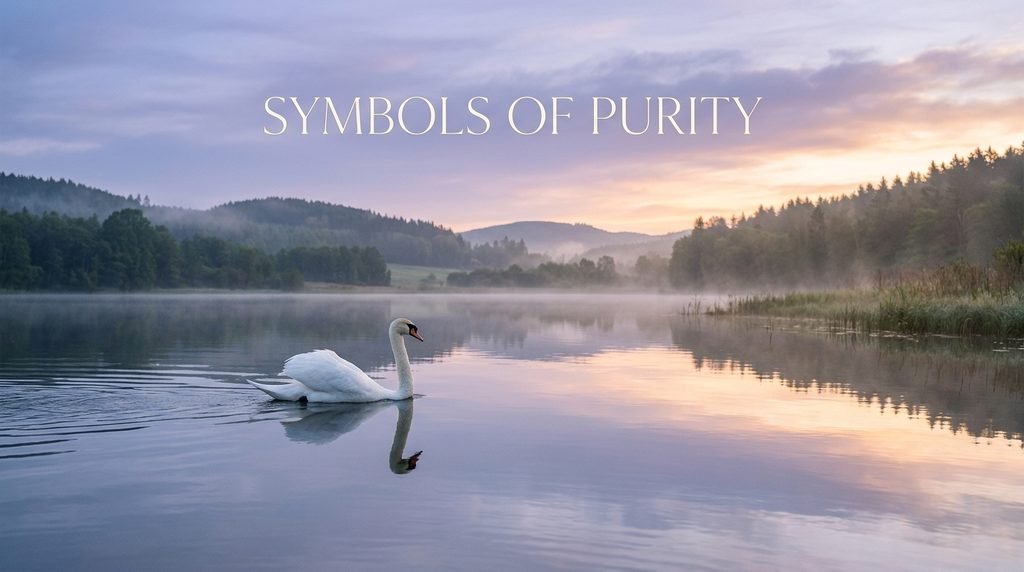
A metaphor for purity is a word or image that describes something as clean, innocent, honest, untouched, or free from harmful intentions without using a direct comparison such as “like” or “as.” Common images include clear water, white light, fresh snow, a clean page, and an untouched garden.
Simple definition
A metaphor for purity is a picture in words that makes purity easier to imagine.
For example:
“Her heart was a clear spring.”
A clear spring suggests water that is clean, fresh, and unspoiled. In the sentence, it becomes a metaphor for a pure heart.
Quick explanation
Purity metaphors can describe:
- A pure heart — a clear spring
- An innocent person — fresh snow
- Pure love — a clean flame
- Pure thoughts — clear glass
- Untouched nature — an untouched garden
- Honesty — a clean mirror
- Spiritual purity — white light
- Fresh beginnings — a blank page
| Element | Meaning |
|---|---|
| Purity | Being clean, innocent, honest, or unspoiled |
| Metaphor | A word picture used to represent an idea |
| Main image | Something that suggests cleanliness or innocence |
| Common symbols | Water, light, snow, flowers, glass, gardens |
| Main uses | Writing, poetry, speaking, school, social media |
| Best approach | Choose an image that matches the kind of purity you mean |
Why We Use Metaphors for Purity
We use metaphors for purity because they turn an abstract idea into something readers can see, feel, and understand. Instead of simply saying that someone is innocent or honest, a metaphor can create an image of clear water, white light, fresh snow, or an untouched garden.
Practical purpose
Purity is an abstract quality. You cannot hold “innocence” in your hand.
A metaphor gives that invisible quality a visible shape.
Compare:
Her intentions were pure.
with:
Her intentions were a clear window.
The second sentence creates an image of something open, clean, and easy to see through.
Everyday usage
In everyday speech, simple metaphors work best:
- “His heart is clean.”
- “She has a heart of gold.”
- “Their love is a clean flame.”
- “His words were clear water.”
Some of these are common expressions rather than strict literary metaphors, but they communicate the same basic idea.
Writing
Writers use purity metaphors to create mood and imagery.
A novel might describe a child’s innocence as “fresh snow before the first footprint.” A poem might call love “a flame untouched by smoke.”
Speaking
In conversation, avoid overly poetic expressions unless the situation calls for them. A phrase such as “She has a clean heart” sounds more natural than a highly elaborate metaphor.
School
Students can use purity metaphors in:
- Essays
- Poetry
- Creative writing
- Literary analysis
- Descriptive paragraphs
- Speeches
A clear metaphor is usually better than a complicated one.
Social media
Short metaphors work well for captions:
“A heart untouched by bitterness.”
or:
“Pure as morning light.”
Professional communication
Purity metaphors should be used carefully at work. They can fit creative industries, speeches, branding, or storytelling, but direct language is often clearer in reports and formal emails.
Main Section
The following examples give you different ways to express purity. Some focus on innocence, some on honesty, some on clean nature, and others on love or spiritual goodness. Choose the metaphor according to the exact feeling you want to create.
1. A Clear Spring
Meaning: A person or heart that is clean, honest, and free from harmful intentions.
Real explanation: A clear spring contains clean, fresh water, so it can represent a pure inner nature.
Sample sentence: “Her heart was a clear spring, open and clean.”
When to use it: Poetry, stories, personal writing.
When NOT to use it: Highly technical or formal business writing.
Alternatives: clear water, fresh stream, pure fountain
Difficulty: Easy
Tone: Neutral / Poetic
2. Fresh Snow
Meaning: Innocence and untouched purity.
Real explanation: Fresh snow can suggest something untouched by people or dirt.
Sample sentence: “His innocence was fresh snow before the first footprint.”
When to use it: Poetry, childhood, innocence.
When NOT to use it: Situations where snow has negative cultural or emotional associations.
Alternatives: untouched snow, white snow, winter blanket
Difficulty: Easy
Tone: Poetic
3. White Light
Meaning: Moral or spiritual purity.
Real explanation: White light often creates an image of cleanliness, goodness, and clarity.
Sample sentence: “Her kindness shone like white light in a dark room.”
When to use it: Spiritual or inspirational writing.
When NOT to use it: Very casual conversation.
Alternatives: pure light, bright light, clean light
Difficulty: Easy
Tone: Inspirational
4. A Clean Mirror
Meaning: Honesty and a lack of hidden motives.
Real explanation: A clean mirror gives a clear reflection, making it useful for describing an open and honest person.
Sample sentence: “His words were a clean mirror of his true feelings.”
When to use it: Essays, speeches, personal writing.
When NOT to use it: When you specifically mean innocence rather than honesty.
Alternatives: clear glass, open window, spotless mirror
Difficulty: Easy
Tone: Neutral
5. An Untouched Garden
Meaning: Natural and unspoiled purity.
Real explanation: A garden untouched by damage can represent something innocent and protected.
Sample sentence: “Her childhood felt like an untouched garden.”
When to use it: Stories, poetry, nature writing.
When NOT to use it: Technical communication.
Alternatives: hidden garden, untouched meadow, wild garden
Difficulty: Easy
Tone: Poetic
6. A Blank Page
Meaning: A fresh start without past mistakes or corruption.
Real explanation: A blank page has no marks, making it a strong metaphor for a clean beginning.
Sample sentence: “His new life was a blank page.”
When to use it: Fresh starts, personal growth, school writing.
When NOT to use it: When you need to describe physical cleanliness.
Alternatives: fresh page, new chapter, clean slate
Difficulty: Easy
Tone: Neutral
7. A Clean Slate
Meaning: A new beginning free from past problems.
Real explanation: This is a common expression for starting again without carrying old mistakes forward.
Sample sentence: “After the apology, they decided to begin with a clean slate.”
When to use it: Everyday speech and writing.
When NOT to use it: When you specifically mean moral innocence.
Alternatives: fresh start, new beginning, new chapter
Difficulty: Very easy
Tone: Neutral
8. Morning Light
Meaning: Innocence, freshness, and hope.
Real explanation: Soft morning light often creates a feeling of freshness and peace.
Sample sentence: “Her smile carried the purity of morning light.”
When to use it: Poetry, romance, inspirational writing.
When NOT to use it: Formal reports.
Alternatives: dawn light, sunrise glow, first light
Difficulty: Easy
Tone: Poetic
9. A White Rose
Meaning: Innocence, sincerity, and gentle purity.
Real explanation: White roses are often used symbolically for innocence and clean intentions.
Sample sentence: “She entered the room like a white rose.”
When to use it: Weddings, poetry, romance, symbolism.
When NOT to use it: When a plain, direct expression is needed.
Alternatives: white flower, pure rose, pale blossom
Difficulty: Easy
Tone: Romantic
10. Clear Glass
Meaning: Transparency and honesty.
Real explanation: Clear glass allows you to see through it, so it can represent a person with nothing hidden.
Sample sentence: “His intentions were clear glass.”
When to use it: Honesty, openness, trust.
When NOT to use it: For physical cleanliness alone.
Alternatives: open window, clear mirror, transparent water
Difficulty: Easy
Tone: Neutral
11. A Crystal Stream
Meaning: Clean, natural, untouched purity.
Real explanation: Crystal-clear water creates a strong visual image of freshness.
Sample sentence: “Her thoughts moved like a crystal stream.”
When to use it: Poetry and descriptive writing.
When NOT to use it: Casual business speech.
Alternatives: clear stream, pure river, clean spring
Difficulty: Easy
Tone: Poetic
12. A Lily in Bloom
Meaning: Innocence and gentle beauty.
Real explanation: A lily can symbolize innocence and purity in many forms of artistic writing.
Sample sentence: “Her kindness was a lily in a field of thorns.”
When to use it: Poetry, fiction, romantic writing.
When NOT to use it: Scientific or technical writing.
Alternatives: white flower, gentle blossom, pure bloom
Difficulty: Medium
Tone: Poetic
13. An Untouched Shore
Meaning: Something natural, clean, and unspoiled.
Real explanation: An untouched shore suggests a place without damage or human interference.
Sample sentence: “His spirit was an untouched shore.”
When to use it: Nature writing and poetry.
When NOT to use it: When you need to describe personal honesty directly.
Alternatives: quiet shore, hidden coast, untouched land
Difficulty: Medium
Tone: Poetic
14. A Fresh Rose
Meaning: Youthful innocence and natural beauty.
Real explanation: A fresh flower suggests something new, delicate, and free from damage.
Sample sentence: “Her innocence was a fresh rose after rain.”
When to use it: Romantic or poetic writing.
When NOT to use it: Formal communication.
Alternatives: fresh flower, new bloom, young blossom
Difficulty: Easy
Tone: Romantic
15. A Candle Without Smoke
Meaning: Clean goodness without hidden harm.
Real explanation: The image suggests a light that burns without producing something dirty or harmful.
Sample sentence: “His kindness was a candle without smoke.”
When to use it: Poetry, inspirational writing.
When NOT to use it: Everyday practical conversation.
Alternatives: clean flame, clear fire, pure light
Difficulty: Medium
Tone: Poetic
16. A Pure Flame
Meaning: Strong, sincere, and undamaged love or devotion.
Sample sentence: “Their love remained a pure flame.”
When to use it: Romance, poetry, speeches.
When NOT to use it: When the subject is physical cleanliness.
Alternatives: clean flame, bright fire, steady flame
Difficulty: Easy
Tone: Romantic
17. A Quiet Lake
Meaning: Calm and undisturbed purity.
Sample sentence: “Her mind was a quiet lake before the storm.”
When to use it: Emotional or reflective writing.
When NOT to use it: When you need to emphasize innocence.
Alternatives: still water, calm lake, peaceful pond
Difficulty: Easy
Tone: Poetic
18. A Child’s Smile
Meaning: Natural innocence and simple joy.
Sample sentence: “His smile was a child’s smile, untouched by fear.”
When to use it: Stories, essays, emotional writing.
When NOT to use it: Formal professional documents.
Alternatives: innocent smile, young joy, simple smile
Difficulty: Easy
Tone: Warm
19. A Newborn Dawn
Meaning: Freshness, innocence, and a new beginning.
Sample sentence: “Hope arrived like a newborn dawn.”
When to use it: Inspirational writing and poetry.
When NOT to use it: Technical writing.
Alternatives: new sunrise, fresh dawn, first light
Difficulty: Medium
Tone: Inspirational
20. A Snow-White Heart
Meaning: A heart seen as innocent and free from malice.
Sample sentence: “She carried a snow-white heart.”
When to use it: Fiction and poetry.
When NOT to use it: Sensitive contexts where judging someone’s moral purity could sound inappropriate.
Alternatives: pure heart, innocent heart, clean heart
Difficulty: Easy
Tone: Poetic
21. A Diamond Without a Scratch
Meaning: Something valuable and untouched by corruption or damage.
Sample sentence: “His loyalty was a diamond without a scratch.”
When to use it: Describing strong character or loyalty.
When NOT to use it: When you want a humble, natural image.
Alternatives: flawless gem, perfect stone, untouched jewel
Difficulty: Medium
Tone: Positive
22. A Garden After Rain
Meaning: Freshness and renewed purity.
Sample sentence: “Her spirit felt like a garden after rain.”
When to use it: Emotional writing and poetry.
When NOT to use it: Formal reports.
Alternatives: fresh garden, rain-washed garden, renewed earth
Difficulty: Easy
Tone: Poetic
23. A Rain-Washed Sky
Meaning: Clarity after darkness or trouble.
Sample sentence: “His thoughts were a rain-washed sky.”
When to use it: Reflective writing.
When NOT to use it: When describing a person’s innocence specifically.
Alternatives: clear sky, open sky, bright sky
Difficulty: Easy
Tone: Poetic
24. A Clean River
Meaning: Honest and natural purity.
Sample sentence: “Her intentions flowed like a clean river.”
When to use it: Essays, speeches, poetry.
When NOT to use it: Very formal technical contexts.
Alternatives: clear river, fresh stream, pure water
Difficulty: Easy
Tone: Neutral / Poetic
25. A White Dove
Meaning: Peace, innocence, and gentle purity.
Sample sentence: “The child entered the room like a white dove.”
When to use it: Symbolic writing and poetry.
When NOT to use it: When you want a less symbolic expression.
Alternatives: peaceful bird, white bird, gentle dove
Difficulty: Easy
Tone: Symbolic
26. A Quiet Prayer
Meaning: Sincere spiritual purity.
Sample sentence: “Her hope was a quiet prayer.”
When to use it: Spiritual or reflective writing.
When NOT to use it: Secular professional writing.
Alternatives: silent prayer, honest prayer, humble hope
Difficulty: Easy
Tone: Spiritual
27. A Clear Conscience
Meaning: Freedom from guilt or wrongdoing.
Sample sentence: “He left with a clear conscience.”
When to use it: Everyday and professional communication.
When NOT to use it: When describing physical cleanliness.
Alternatives: clean conscience, peaceful conscience, guilt-free heart
Difficulty: Easy
Tone: Neutral
28. An Open Window
Meaning: Openness, honesty, and lack of hidden motives.
Sample sentence: “Her heart was an open window.”
When to use it: Personal writing and speeches.
When NOT to use it: For literal physical purity.
Alternatives: clear glass, open door, transparent heart
Difficulty: Easy
Tone: Warm
29. A White Canvas
Meaning: Something untouched and ready for a new beginning.
Sample sentence: “His future was a white canvas.”
When to use it: Creative writing and motivational speech.
When NOT to use it: When describing someone’s moral character.
Alternatives: blank page, clean slate, empty canvas
Difficulty: Easy
Tone: Inspirational
30. A Morning Dewdrop
Meaning: Fresh, delicate, untouched purity.
Sample sentence: “Her innocence was a morning dewdrop.”
When to use it: Poetry and romantic writing.
When NOT to use it: Formal writing.
Alternatives: fresh dew, clear drop, morning mist
Difficulty: Medium
Tone: Poetic
31. A Hidden Spring
Meaning: Quiet goodness or purity that exists beneath the surface.
Sample sentence: “Kindness was a hidden spring inside him.”
When to use it: Character descriptions.
When NOT to use it: When the purity is obvious and public.
Alternatives: secret spring, inner fountain, quiet source
Difficulty: Medium
Tone: Poetic
32. A Soft White Cloud
Meaning: Gentle innocence and harmlessness.
Sample sentence: “Her nature was a soft white cloud.”
When to use it: Childlike or gentle descriptions.
When NOT to use it: Serious formal writing.
Alternatives: white cloud, soft cloud, gentle sky
Difficulty: Easy
Tone: Gentle
33. A Sunlit Path
Meaning: A clear and morally positive direction.
Sample sentence: “Honesty became a sunlit path before him.”
When to use it: Inspirational writing.
When NOT to use it: When describing a person’s physical purity.
Alternatives: bright path, clear road, open road
Difficulty: Easy
Tone: Inspirational
34. A Fresh Leaf
Meaning: Newness and freedom from past marks.
Sample sentence: “She turned a fresh leaf after the mistake.”
When to use it: New beginnings.
When NOT to use it: When you mean innocence from birth.
Alternatives: new page, clean slate, fresh start
Difficulty: Easy
Tone: Neutral
35. A Pearl in Clear Water
Meaning: Rare, clean, and valuable goodness.
Sample sentence: “His honesty was a pearl in clear water.”
When to use it: Literary writing.
When NOT to use it: Casual speech.
Alternatives: hidden pearl, pure jewel, clear treasure
Difficulty: Medium
Tone: Poetic
36. A White Feather
Meaning: Gentleness, innocence, and peace.
Sample sentence: “Her kindness fell like a white feather.”
When to use it: Poetry and symbolic writing.
When NOT to use it: Technical writing.
Alternatives: soft feather, white wing, gentle feather
Difficulty: Easy
Tone: Poetic
37. A Still Forest
Meaning: Natural, peaceful, undisturbed purity.
Sample sentence: “His heart was a still forest at dawn.”
When to use it: Descriptive writing.
When NOT to use it: Short everyday conversation.
Alternatives: quiet forest, untouched woods, peaceful grove
Difficulty: Medium
Tone: Poetic
38. A Clean Heart
Meaning: Good intentions and freedom from malice.
Sample sentence: “She helped him with a clean heart.”
When to use it: Everyday speech and writing.
When NOT to use it: When a more creative image is required.
Alternatives: pure heart, kind heart, innocent heart
Difficulty: Very easy
Tone: Neutral
39. A Bright Star
Meaning: Goodness that stands out in darkness.
Sample sentence: “Her honesty was a bright star in a difficult time.”
When to use it: Speeches and inspirational writing.
When NOT to use it: When purity itself needs to be the main idea.
Alternatives: shining light, guiding star, bright flame
Difficulty: Easy
Tone: Inspirational
40. A Waterfall of Glass
Meaning: Beautiful, clear, and untouched purity.
Sample sentence: “The mountain stream looked like a waterfall of glass.”
When to use it: Creative descriptions.
When NOT to use it: Ordinary conversation.
Alternatives: glassy stream, crystal water, clear cascade
Difficulty: Medium
Tone: Poetic
41. A White Garden
Meaning: A peaceful place filled with images of innocence and purity.
Sample sentence: “Her memories were a white garden.”
When to use it: Poetry and fiction.
When NOT to use it: Professional writing.
Alternatives: pure garden, white meadow, innocent garden
Difficulty: Easy
Tone: Poetic
42. A Clear Bell
Meaning: Honest, clean, and sincere expression.
Sample sentence: “Her voice rang like a clear bell.”
When to use it: Describing speech or sincerity.
When NOT to use it: When purity has no connection to communication.
Alternatives: clear voice, clean sound, pure tone
Difficulty: Easy
Tone: Literary
43. A Pure Note
Meaning: A sound or feeling without distortion.
Sample sentence: “His apology carried a pure note of regret.”
When to use it: Music, writing, speeches.
When NOT to use it: When discussing physical cleanliness.
Alternatives: clear note, true tone, clean sound
Difficulty: Easy
Tone: Neutral
44. A Glassy Lake
Meaning: Calm, clear, and undisturbed purity.
Sample sentence: “Her thoughts were a glassy lake.”
When to use it: Poetry and reflective writing.
When NOT to use it: Casual conversation.
Alternatives: still lake, clear water, quiet pond
Difficulty: Easy
Tone: Poetic
45. A White Flame
Meaning: Powerful spiritual or emotional purity.
Sample sentence: “His devotion burned as a white flame.”
When to use it: Spiritual and poetic writing.
When NOT to use it: Everyday communication.
Alternatives: pure fire, clean flame, bright flame
Difficulty: Medium
Tone: Spiritual
46. A Freshly Washed Window
Meaning: Clarity without hidden dirt or confusion.
Sample sentence: “Her honesty was a freshly washed window.”
When to use it: Writing about transparency.
When NOT to use it: When the focus is romantic innocence.
Alternatives: clear window, clean glass, open window
Difficulty: Easy
Tone: Neutral
47. A New Morning
Meaning: Renewal and a clean beginning.
Sample sentence: “Forgiveness felt like a new morning.”
When to use it: Personal growth and inspirational writing.
When NOT to use it: When purity must mean innocence.
Alternatives: fresh dawn, new day, first light
Difficulty: Very easy
Tone: Inspirational
48. A Gentle Stream
Meaning: Calm, natural, and clean goodness.
Sample sentence: “Her kindness moved through the room like a gentle stream.”
When to use it: Descriptive writing.
When NOT to use it: Highly formal writing.
Alternatives: clear stream, quiet river, soft water
Difficulty: Easy
Tone: Gentle
49. An Untouched Snowfield
Meaning: Complete innocence or freedom from outside influence.
Sample sentence: “The child’s imagination was an untouched snowfield.”
When to use it: Literary descriptions.
When NOT to use it: Casual conversation.
Alternatives: fresh snow, white field, untouched winter
Difficulty: Medium
Tone: Poetic
50. A Clear Horizon
Meaning: A future or state of mind free from confusion and darkness.
Sample sentence: “After the truth came out, she saw a clear horizon.”
When to use it: Hope and personal growth.
When NOT to use it: Physical purity.
Alternatives: open sky, bright horizon, clear future
Difficulty: Easy
Tone: Inspirational
51. A White Feather on the Wind
Meaning: Gentle innocence moving freely without harm.
Sample sentence: “Her spirit was a white feather on the wind.”
When to use it: Poetry and emotional writing.
When NOT to use it: Formal communication.
Alternatives: drifting feather, white wing, soft breeze
Difficulty: Medium
Tone: Poetic
52. A Garden Behind Glass
Meaning: Something beautiful and pure that has remained protected.
Sample sentence: “Her innocence was a garden behind glass.”
When to use it: Fiction and descriptive writing.
When NOT to use it: Everyday conversation.
Alternatives: protected garden, hidden garden, sheltered flower
Difficulty: Medium
Tone: Literary
53. A Drop of Rain
Meaning: Simple, natural freshness.
Sample sentence: “His kindness was a drop of rain on a dry day.”
When to use it: Emotional writing.
When NOT to use it: When a strong image is needed.
Alternatives: fresh rain, raindrop, clean water
Difficulty: Easy
Tone: Warm
54. A Pure Spring Morning
Meaning: Freshness, peace, and innocence.
Sample sentence: “The child’s laughter felt like a pure spring morning.”
When to use it: Poetry, stories, family writing.
When NOT to use it: Professional reports.
Alternatives: fresh morning, spring dawn, new day
Difficulty: Easy
Tone: Poetic
55. A Clean Flame
Meaning: Sincere love, faith, or devotion without harmful motives.
Sample sentence: “Their friendship was a clean flame.”
When to use it: Emotional and poetic writing.
When NOT to use it: Literal descriptions of fire.
Alternatives: pure flame, bright fire, clear light
Difficulty: Medium
Tone: Poetic
56. A Quiet White Rose
Meaning: Gentle innocence without pride or show.
Sample sentence: “Her kindness was a quiet white rose.”
When to use it: Poetry and character descriptions.
When NOT to use it: Business writing.
Alternatives: gentle flower, white blossom, soft rose
Difficulty: Easy
Tone: Romantic
57. A Clear Heartbeat
Meaning: Sincere emotion without deception.
Sample sentence: “He spoke from a clear heartbeat.”
When to use it: Creative writing.
When NOT to use it: Standard everyday English, because the phrase is highly figurative.
Alternatives: true feeling, honest heart, sincere emotion
Difficulty: Medium
Tone: Poetic
58. A Light Through Clean Glass
Meaning: Goodness or truth that passes without distortion.
Sample sentence: “Her words were light through clean glass.”
When to use it: Poetry and speeches.
When NOT to use it: Casual conversation.
Alternatives: clear light, honest light, pure brightness
Difficulty: Medium
Tone: Literary
59. An Untouched Meadow
Meaning: Natural innocence and freedom from corruption.
Sample sentence: “His childhood memory remained an untouched meadow.”
When to use it: Nostalgic and literary writing.
When NOT to use it: Formal business communication.
Alternatives: quiet field, open meadow, untouched land
Difficulty: Easy
Tone: Poetic
60. A Crystal Heart
Meaning: A heart seen as clear, sincere, and free from deceit.
Sample sentence: “She carried a crystal heart.”
When to use it: Poetry, romance, fiction.
When NOT to use it: Technical or academic writing.
Alternatives: clear heart, pure heart, glass heart
Difficulty: Easy
Tone: Romantic
61. A Sunrise Without Clouds
Meaning: Clear hope, innocence, and freedom from darkness.
Sample sentence: “His new beginning was a sunrise without clouds.”
When to use it: Inspirational writing.
When NOT to use it: When you need a short everyday expression.
Alternatives: clear dawn, bright sunrise, open morning
Difficulty: Easy
Tone: Inspirational
62. A River Before the City
Meaning: Natural purity before pollution or outside interference.
Sample sentence: “Her innocence was a river before the city.”
When to use it: Creative and environmental writing.
When NOT to use it: Ordinary conversation.
Alternatives: untouched river, wild stream, natural spring
Difficulty: Medium
Tone: Literary
63. A Song Without Noise
Meaning: A sincere feeling without distraction or falsehood.
Sample sentence: “His apology was a song without noise.”
When to use it: Poetry and creative writing.
When NOT to use it: Formal documents.
Alternatives: clear song, pure note, honest voice
Difficulty: Medium
Tone: Poetic
64. A Heart Like Fresh Water
Meaning: A kind and innocent inner nature.
Sample sentence: “She had a heart like fresh water.”
When to use it: Personal writing and conversation.
When NOT to use it: Formal reports.
Alternatives: clear heart, pure heart, gentle heart
Difficulty: Easy
Tone: Warm
65. A Door Open to Sunlight
Meaning: Openness, honesty, and clean intentions.
Sample sentence: “His character was a door open to sunlight.”
When to use it: Speeches and essays.
When NOT to use it: Short casual conversations.
Alternatives: open window, open door, clear path
Difficulty: Medium
Tone: Inspirational
Real-Life Conversations
These examples show how purity metaphors can sound in natural situations. Notice that people usually use the simpler expressions in normal conversation and save more artistic metaphors for emotional or creative moments.
Conversation 1: Friends
Maya: You know what I like about Sam?
Lena: What?
Maya: He never seems to have bad intentions.
Lena: I know. He has such a clean heart.
Maya: Exactly. That’s the phrase I was looking for.
Lena: He’s honest without trying to prove that he’s honest.
Conversation 2: Family
Mother: Your little brother still trusts everyone.
Sister: I hope the world doesn’t take that away from him.
Mother: Me too. His heart is like fresh water.
Sister: That’s beautiful. And very true.
Conversation 3: Student and Teacher
Student: I need a metaphor for purity in my poem.
Teacher: What kind of purity do you mean?
Student: Innocence.
Teacher: Try “fresh snow.” It gives the idea of something untouched.
Student: “Her innocence was fresh snow.”
Teacher: Yes. That’s simple and easy to picture.
Conversation 4: Dating
Alex: How would you describe your relationship?
Jordan: It’s hard to explain.
Alex: Try a metaphor.
Jordan: Maybe a clean flame. It feels warm, but there isn’t any game or pretending.
Alex: I like that. It sounds sincere.
Conversation 5: Office
Manager: Why do you trust her judgment?
Coworker: She doesn’t hide her reasons. Her thinking is like clear glass.
Manager: So you always know where she stands?
Coworker: Exactly.
Everyday Usage
Purity metaphors can appear in many kinds of communication, but the best expression depends on the situation. A poetic metaphor can sound beautiful in a poem and strange in a business email. Good writing means choosing an image that fits the reader and purpose.
Conversation
Use short, familiar expressions:
- clean heart
- clear conscience
- clean slate
- pure heart
- open heart
Example:
“He has a clean heart and means well.”
Writing
Creative writing allows stronger imagery:
“Her innocence was fresh snow before the first footprint.”
This works because the image gives the reader something to picture.
Books
Fiction often uses purity metaphors to build character.
A writer might describe an innocent character through:
- Fresh snow
- White flowers
- Clear water
- Morning light
- Untouched gardens
The metaphor should match the character’s personality rather than simply decorate the sentence.
Movies
Screen dialogue usually needs to sound natural. A character may say:
“She has a good heart.”
A more poetic character might say:
“Her heart is still clean.”
The best choice depends on the speaker.
Poetry
Poetry gives you the most freedom. You can combine images:
“Her heart was a clear spring,
her hope a morning light.”
The images create a feeling without directly explaining every detail.
Emails
Professional emails usually need clarity more than poetic language.
Instead of:
“Your message was a clear river of truth.”
write:
“Thank you for your honest and clear explanation.”
Metaphors can work in creative industries, but they should never make a practical message harder to understand.
Text Messages
Short expressions work well:
“You have such a clean heart.”
or:
“Your intentions are pure.”
Short poetic phrases are often effective:
“Pure as morning light.”
“A heart untouched by bitterness.”
“Fresh snow, quiet soul.”
These are creative captions rather than fixed English idioms.
A slightly longer sentence can work:
“Some people carry a quiet kindness that feels like morning light.”
X
Short metaphors are easier to read:
“A clean heart needs no disguise.”
Professional social media calls for a more direct style:
“Good leadership starts with clear intentions and honest communication.”
Avoid overly romantic or spiritual purity metaphors unless they genuinely fit the topic.
School Assignments
For a school essay, choose metaphors that are easy to explain.
For example:
“Fresh snow is a metaphor for purity because it represents something clean and untouched.”
That sentence not only uses the metaphor but also explains it clearly.
A strong student answer should explain:
- What the metaphor is.
- What image it creates.
- What kind of purity it represents.
- Why the image fits the subject.
How to Choose the Right Metaphor
Think about what kind of purity you mean.
| If you mean… | Try… |
|---|---|
| Innocence | Fresh snow |
| Honest intentions | Clear glass |
| Good character | Clean heart |
| Spiritual purity | White light |
| Pure love | Clean flame |
| Fresh beginning | Blank page |
| Natural purity | Clear spring |
| Protected innocence | Garden behind glass |
| Peace | White dove |
| Transparency | Open window |
| Hope | Morning light |
| No guilt | Clear conscience |
| Untouched nature | Untouched meadow |
| New life | New morning |
Metaphor vs. Simile
A metaphor says one thing is another thing in a figurative sense:
“Her heart was a clear spring.”
A simile uses like or as:
“Her heart was like a clear spring.”
Both create an image, but they are grammatically different.
Can “Pure as Snow” Be a Metaphor?
“Pure as snow” is technically a simile, not a metaphor, because it uses “as.”
A metaphor would be:
“Her innocence was fresh snow.”
This distinction can matter in school assignments and literary analysis.
Can Purity Metaphors Be Negative?
Yes. Context can change the meaning of an image.
For example, “white” may suggest innocence in one passage but emptiness, coldness, or distance in another. A metaphor should always be judged by its surrounding context.
What Is the Best Metaphor for Purity?
There is no single best metaphor for every situation. Fresh snow works well for innocence, clear water for natural purity, clear glass for honesty, white light for spiritual purity, and a clean flame for sincere love or devotion.
The strongest choice is the one that matches the exact type of purity you want the reader to understand.
Final Takeaway:
A good metaphor for purity does more than replace the word “pure.” It creates a picture that helps the reader feel the idea.
For simple writing, try clean heart, clear spring, fresh snow, clear glass, or clean slate.
For poetry, you can use richer images such as an untouched meadow, a morning dewdrop, a white flame, or light through clean glass.
Use simple metaphors when clarity matters and more imaginative ones when you want emotion or beauty. The goal is not to use the most complicated phrase.
The goal is to choose the image that says exactly what you mean.
Discover more post:
| https://metaphorcraftz.com/a-metaphor-for-hope/ |
| https://metaphorcraftz.com/metaphor-for-clever/ |
| https://metaphorcraftz.com/metaphor-for-migraine-crossword/ |

Juliet is a passionate English language writer and literary content creator with over 5 years of experience in writing about metaphors, figurative language, literary devices, English expressions, and creative writing. As the author behind MetaphorCraftz, she is dedicated to making complex literary concepts simple, clear, and enjoyable for readers of all levels.
Related Post

Metaphors for Eating Fast: Creative Ways to Describe
Eating fast is easy to describe with words such as gulping, wolfing down, or eating…
2 thoughts on “Metaphors for Purity: Beautiful Examples, Meanings”